




Products Tested to Warn Drowsy Drivers
Black coffee, a loud radio and air-conditioning on full-blast are traditional ways to stay awake behind the wheel. But those remedies aren’t enough to prevent 1,500 deaths and 100,000 accidents per year, according to figures from the National Highway Transportation Safety Administration. A recent study by Ford Motor Company tested methods and products – considerably more high-tech – to one day help drowsy drivers stay awake. The five-month study was conducted using a drive simulator called VIRRTEX, or VIRtual Text Track EXperiment. Last November, 32 test subjects between the ages of 24 to 69 were asked to spend a sleepless night before driving in the VIRTTEX simulator for three hours on a simulated dark country road. Cameras monitored their behavior and reactions to test products. “[VIRTTEX] is the most realistic driving experience you can ever imagine,” said Mike Vaughn, manager of Global Technology Public Affairs for Ford Motor Company. “This is the first most comprehensive test of its type because you can’t do tests like this on the road.” Products were tested on Volvo’s S80 model. Volvo vehicles equipped with the new safety technology are expected for release later in the decade. The simulator was used to test products and driver behavior in a controlled, safe environment. Red lights flashing on a heads-up display on the windshield and a steering wheel that vibrates and turns itself were some of the tested products. The sound of running over highway rumble strips projected in the car’s cabin was also tested. Dozing off - otherwise known as “micro-sleep”- behind the wheel could mean traveling hundreds of feet without realizing it, Vaughn said. “When you’re at 70 miles per hour, you’re going 100 feet in just one second, so if you imagine three or four seconds, you’re covering a football field. That’s very dangerous.” “What we discovered is that not every technology that helps combat drowsy driving is tolerated or well-liked by drivers. False alerts are considered annoying and could nag the driver to the point he or she just turns the system off. And a system that is turned off is not serving any purpose whatsoever,” said Jeff Greenberg, staff technical specialist for Vehicle Design Research at Ford Research and Advanced Engineering at the VIRTTEX lab. Products least likely to disturb the drivers under normal circumstances have to be adaptive and intelligent, Vaughn said. “The key with this technology is it’s not meant to keep you driving when you’re driving,” he said. “What this is supposed to do is keep you alive, keep you safe until you should do what you should be doing - get off the highway and get rest.” “These are often not minor accidents when they occur,” Greenberg said. “When someone falls asleep at the wheel, the vehicle often leaves the lane and the roadway – followed by a major crash or rollover.”
More Small Fleet

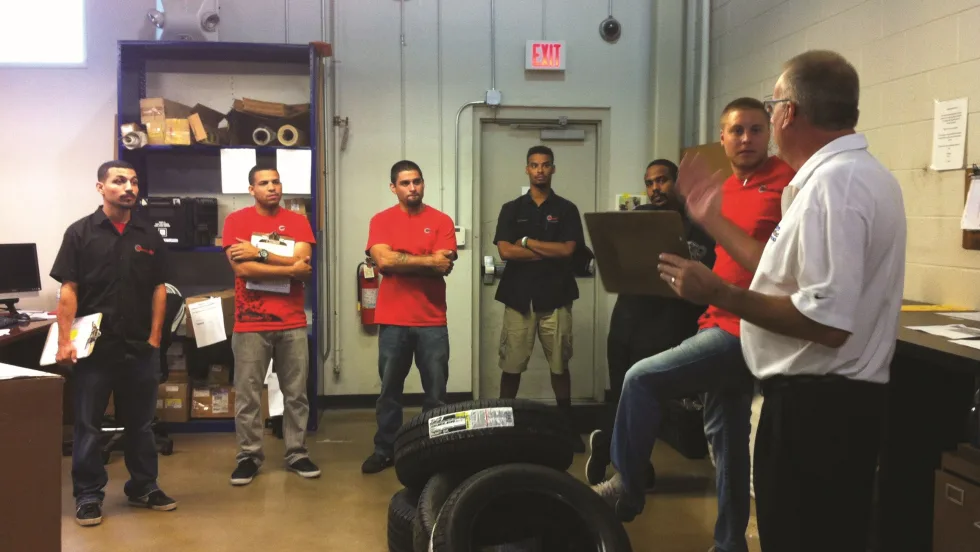
Developing Budget-Friendly Driver Safety Programs
From driver training and safety meetings to one-on-one coaching and incentive programs, several small fleets share how they have developed a safety culture with their drivers using low- to no-cost resources.
Read More →
Boosting Last-Mile Fleet Uptime, Safety, and Value with AI Vehicle Inspections
AI-powered inspections are transforming last-mile fleets by replacing manual checks with highly accurate automated scans that detect defects in seconds. By giving fleet operations visibility into the daily condition of their vehicles, you can identify trends over the vehicle’s lifecycle that enable improved procurement decisions, route management, driver training and accountability.
Read More →
Five Ways Seat Belts Help Prevent Injuries
There are five ways seat belts protect occupants from injuries, according to the Tennessee Department of Safety and Homeland Security.
Read More →
It’s here: The 2026 Fleet Technology Trends Report
What does AI mean for fleets? Get the answer — and learn other top tech trends.
Read More →
Small Fleets, Big Impact: How Independent Drivers Power Wreaths Across America
Check out how small fleets and independent drivers power Wreaths Across America each December and why their impact matters more than ever.
Read More →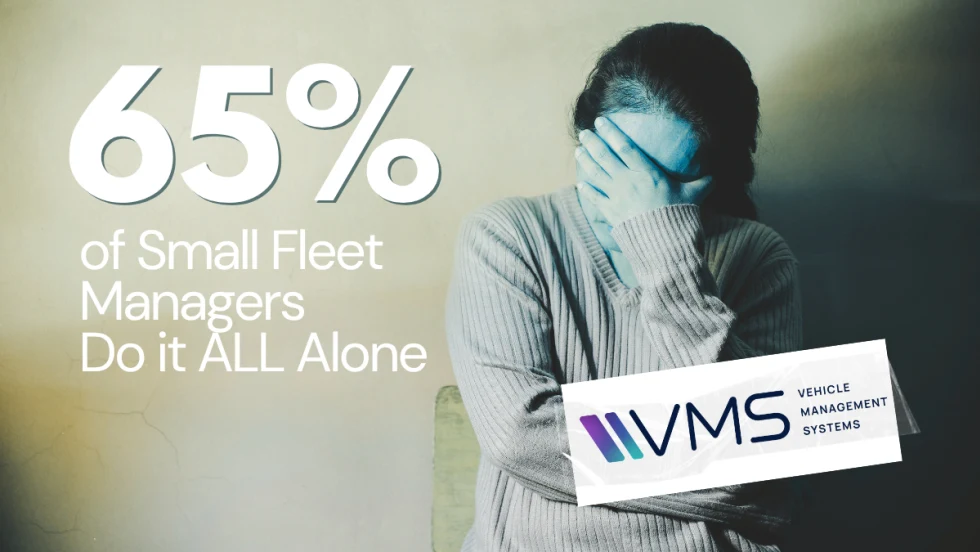
VMS Survey Finds 65% of Small Fleet Managers Run Operations Alone
A new VMS survey shows small fleet managers are stretched thin, with most handling operations solo and eager to adopt digital tools for relief.
Read More →
Tips for Driving Safely on Halloween Night
This video features a reminder from the Connecticut Department of Transportation (DOT) and the Connecticut Police Chiefs Association, urging drivers to prioritize safety this Halloween.
Read More →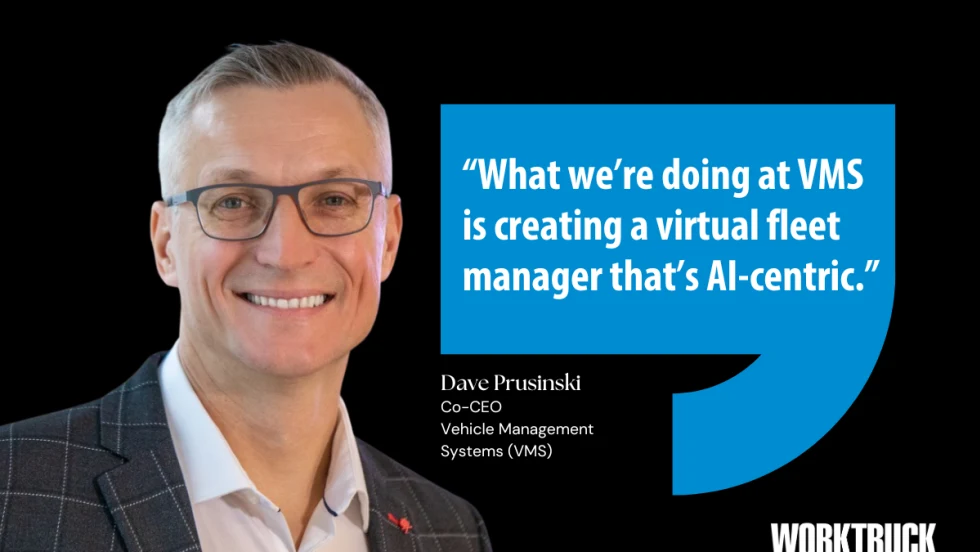
AI, Access, and Uptime: VMS’s Next Chapter with David Prusinski
VMS’s new Co-CEO, David Prusinski, shares how an AI-first approach will give small fleets and repair shops the tools to compete like big players.
Read More →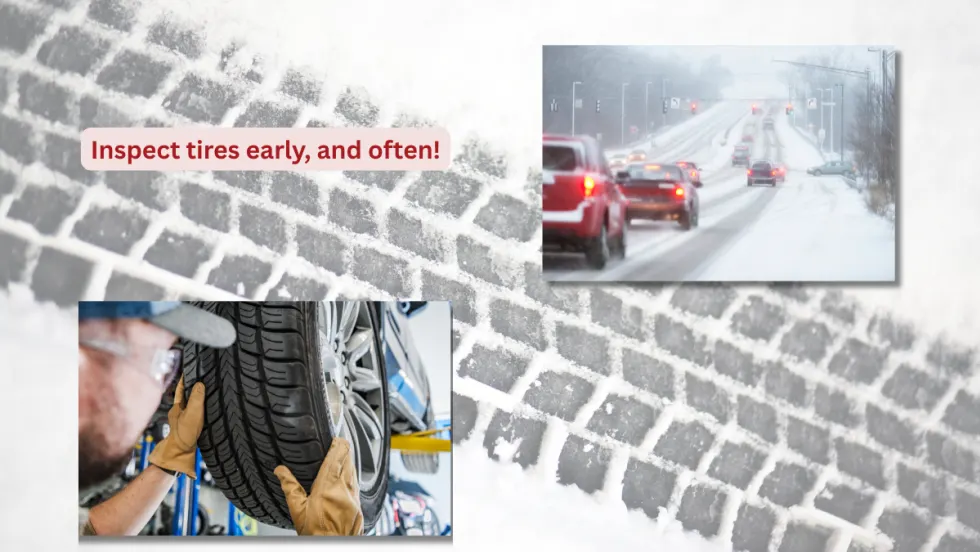
Fleet Managers Share Winter Prep Tips: It's Never Too Early!
Three fleets share best practices to prep vehicles for winter and prevent downtime when the cold sets in.
Read More →