




Pot Breathalyzer Device Holds Promise for Detecting Drug Impairment
A new device developed by Oakland-based Hound Labs can detect whether a driver has smoked marijuana in the last two hours — a peak impairment timeframe.

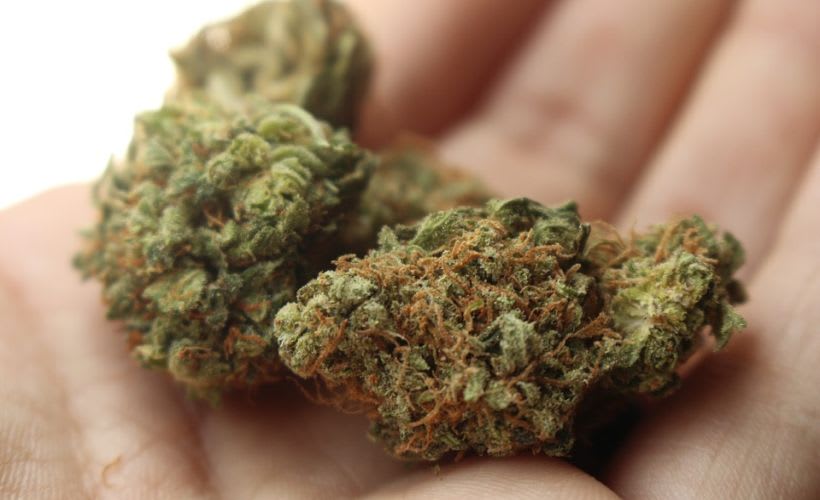
A new device developed by Oakland-based Hound Labs can detect whether a driver has smoked marijuana in the last two hours.
Photo via Pixabay.
A new device developed by Oakland-based Hound Labs can detect whether a driver has smoked marijuana in the last two hours — a peak impairment timeframe — according to a recent report on NPR.
The device is designed to determine whether or not THC — the psychoactive component in pot — is in a person's breath. It can also double as an alcohol breathalyzer, providing law enforcement officials with a dual-tool for detecting intoxicants.
The new pot breathalyzer consists of three parts, including a handheld breathalyzer, an independent cartridge with a mouthpiece for taking breath samples that plug into it, and a processing unit, according to Car and Driver.
After the police officer takes the breath sample, he or she loads a cartridge into the processing unit, and in approximately four minutes, the results are in. The immediacy trumps any currently used method for testing for pot as today's blood, saliva and urine tests can take several days for a result.
Hound Labs says its goal is to provide law enforcement with "objective data at the roadside, just like we have for alcohol," reports NPR.
Even so, the sticky wicket that continues to challenge law enforcement nationwide is how to decide what level of THC constitutes impairment for driving. While Hound Labs' machine detects the presence of THC in the breath, it cannot calculate the amount of THC consumed, notes NPR.
Also, there is still no agreement among key stakeholders on what level of THC constitutes functional impairment. To date, only seven states, including Washington and Montana, have set legal guidelines as to how much THC in the system renders a motorist dangerous.
In the remainder of the nation, courts, police and scientists haven't been able to agree on which THC level translates into functional impairment, reports NPR.
Even so, the new pot breathalyzer holds promise. As legalization of both recreational and medical marijuana continues to sweep the nation, police are concerned about stoned drivers.
Consider, for example, Massachusetts where public safety officials recently joined forces with Sira Naturals, a marijuana business, in an effort to cut down on drugged driving, reports Masslive.com.
While Sira Naturals launched a public service announcement spotlighting the hazards of impaired driving, Massachusetts's officials debuted a public education and enforcement campaign. The objective of the education campaign is to urge pot smokers to use alternatives to driving such as public transit, designated drivers or ride-hailing services, reports the Hearld-Whig.
The first medical marijuana dispensaries opened in Massachusetts in 2015. About a year later, the state broadly legalized marijuana for ages 21 and over. Home growing and gifting is allowed within limits. The first recreational marihuana shops are slated to open in the state in the coming weeks, according to reports.
Originally posted on Automotive Fleet
More Small Fleet


Developing Budget-Friendly Driver Safety Programs
From driver training and safety meetings to one-on-one coaching and incentive programs, several small fleets share how they have developed a safety culture with their drivers using low- to no-cost resources.
Read More →
Boosting Last-Mile Fleet Uptime, Safety, and Value with AI Vehicle Inspections
AI-powered inspections are transforming last-mile fleets by replacing manual checks with highly accurate automated scans that detect defects in seconds. By giving fleet operations visibility into the daily condition of their vehicles, you can identify trends over the vehicle’s lifecycle that enable improved procurement decisions, route management, driver training and accountability.
Read More →
Five Ways Seat Belts Help Prevent Injuries
There are five ways seat belts protect occupants from injuries, according to the Tennessee Department of Safety and Homeland Security.
Read More →
It’s here: The 2026 Fleet Technology Trends Report
What does AI mean for fleets? Get the answer — and learn other top tech trends.
Read More →
Small Fleets, Big Impact: How Independent Drivers Power Wreaths Across America
Check out how small fleets and independent drivers power Wreaths Across America each December and why their impact matters more than ever.
Read More →
VMS Survey Finds 65% of Small Fleet Managers Run Operations Alone
A new VMS survey shows small fleet managers are stretched thin, with most handling operations solo and eager to adopt digital tools for relief.
Read More →
Tips for Driving Safely on Halloween Night
This video features a reminder from the Connecticut Department of Transportation (DOT) and the Connecticut Police Chiefs Association, urging drivers to prioritize safety this Halloween.
Read More →
AI, Access, and Uptime: VMS’s Next Chapter with David Prusinski
VMS’s new Co-CEO, David Prusinski, shares how an AI-first approach will give small fleets and repair shops the tools to compete like big players.
Read More →
Fleet Managers Share Winter Prep Tips: It's Never Too Early!
Three fleets share best practices to prep vehicles for winter and prevent downtime when the cold sets in.
Read More →