




Politics of Fuel Economy Play Out from California to Detroit
With California preparing to limit tailpipe emissions of carbon dioxide, automakers are bracing for the toughest regulatory environment at the state or federal level since the 1980s, according to a Detroit News story by Jeff Plungis. In the next few weeks, California Gov. Gray Davis, a Democrat, is expected to sign a controversial law to limit greenhouse gas emissions, a move that poses a significant setback for major automakers. At the federal level, the auto industry has scored impressive victories in the last two years, defeating efforts to raise the fuel economy of cars and trucks and stalling tougher environmental rules. But in California, where the environmental lobby carries more political weight, proponents of the new bill see an opportunity to address growing worries about global climate change and the need for environmental leadership. Detroit's automakers view the California legislation as the biggest threat to their livelihood since emissions reductions required by the state in the 1960s and '70s, and tougher fuel economy rules imposed by U.S. regulators in the 1980s. Environmentalists contend the only way to reduce carbon dioxide emissions is to improve the fuel economy of cars and light trucks. Automakers claim required hikes in fuel-economy requirements would force them to build smaller, less-safe vehicles out of line with consumer preferences.
More Small Fleet

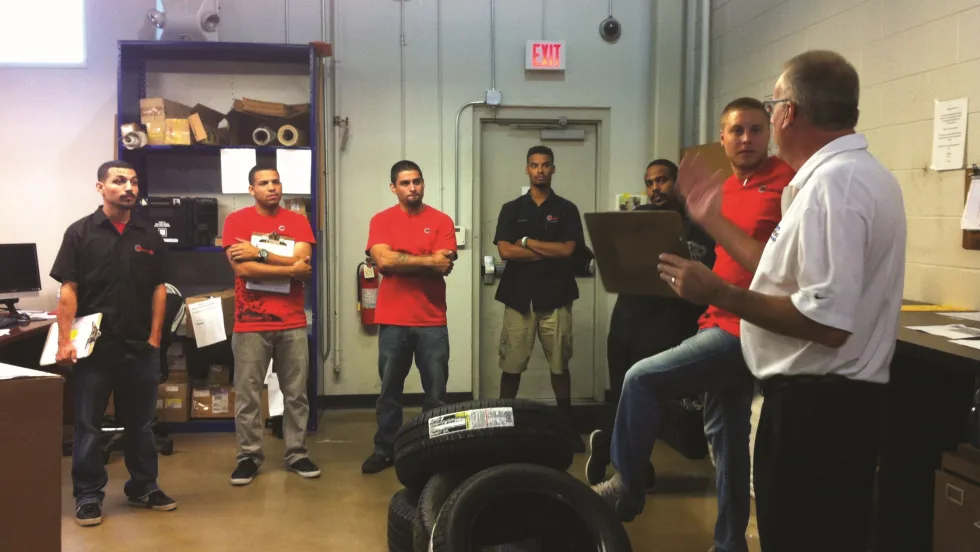
Developing Budget-Friendly Driver Safety Programs
From driver training and safety meetings to one-on-one coaching and incentive programs, several small fleets share how they have developed a safety culture with their drivers using low- to no-cost resources.
Read More →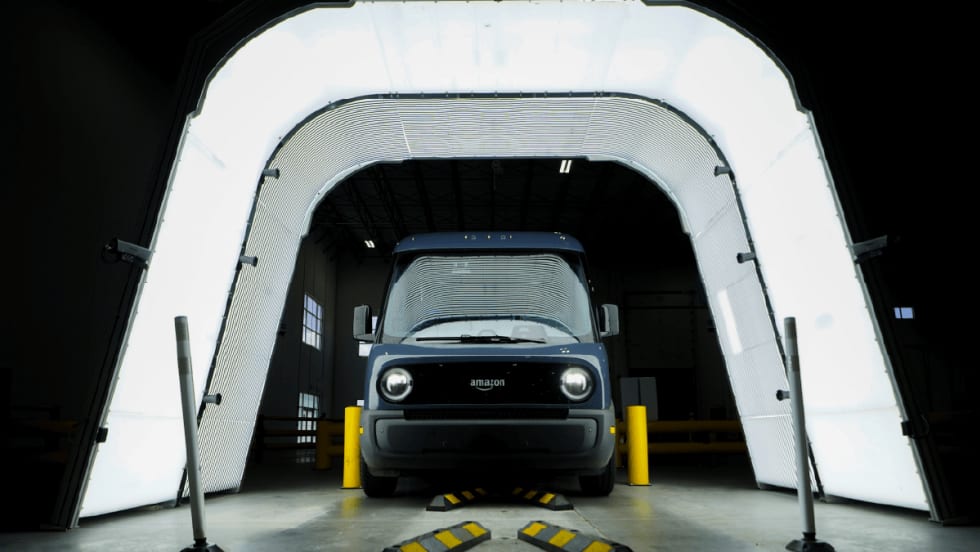
Boosting Last-Mile Fleet Uptime, Safety, and Value with AI Vehicle Inspections
AI-powered inspections are transforming last-mile fleets by replacing manual checks with highly accurate automated scans that detect defects in seconds. By giving fleet operations visibility into the daily condition of their vehicles, you can identify trends over the vehicle’s lifecycle that enable improved procurement decisions, route management, driver training and accountability.
Read More →
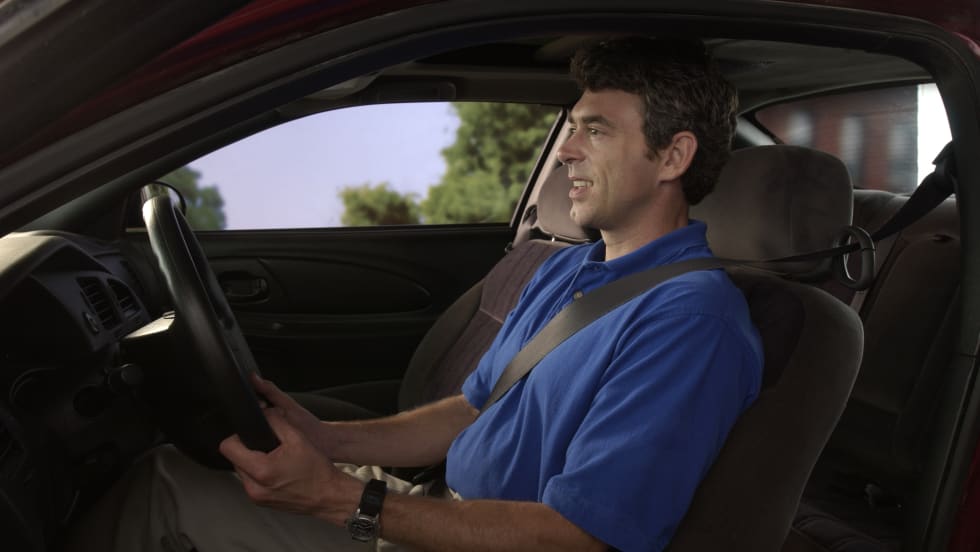
Five Ways Seat Belts Help Prevent Injuries
There are five ways seat belts protect occupants from injuries, according to the Tennessee Department of Safety and Homeland Security.
Read More →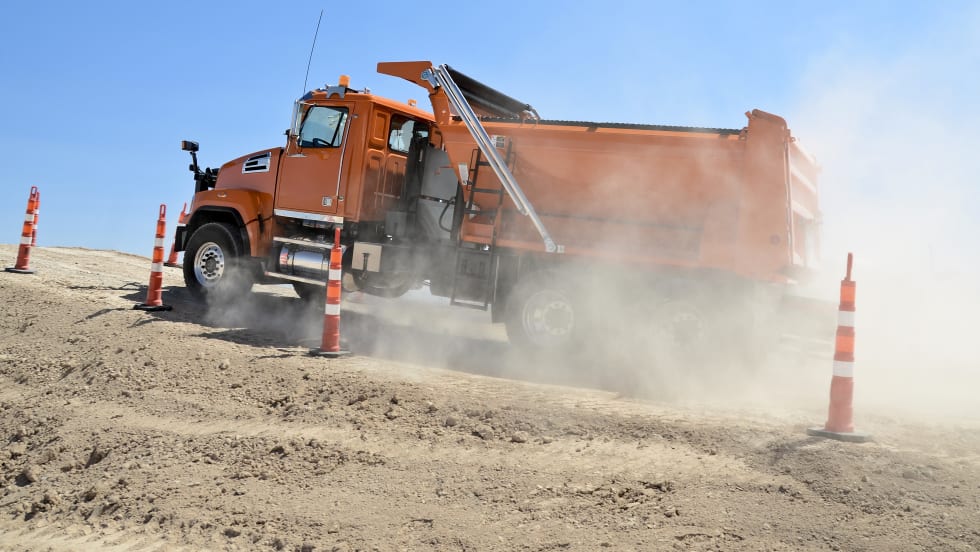
Basic Tracking vs Next Generation Fleet Technology
Fleet software is getting more sophisticated and effective than ever, tying big data models together to transform maintenance, safety, and the value of your existing tech stack. Fleet technology upgrades are undoubtedly an investment, but updated technology can offer a much higher return. Read how upgrading your fleet technology can increase the return on your investment.
Read More →
It’s here: The 2026 Fleet Technology Trends Report
What does AI mean for fleets? Get the answer — and learn other top tech trends.
Read More →
Small Fleets, Big Impact: How Independent Drivers Power Wreaths Across America
Check out how small fleets and independent drivers power Wreaths Across America each December and why their impact matters more than ever.
Read More →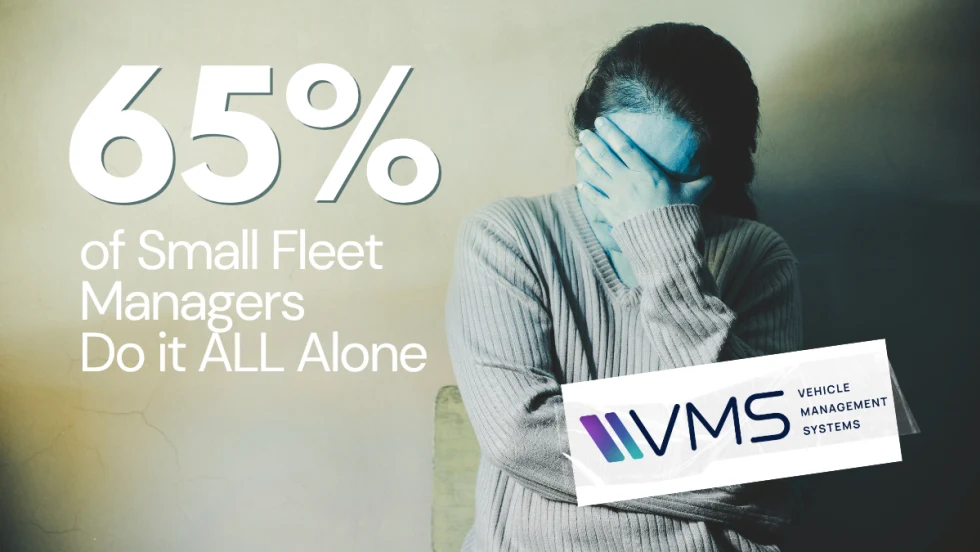
VMS Survey Finds 65% of Small Fleet Managers Run Operations Alone
A new VMS survey shows small fleet managers are stretched thin, with most handling operations solo and eager to adopt digital tools for relief.
Read More →
Tips for Driving Safely on Halloween Night
This video features a reminder from the Connecticut Department of Transportation (DOT) and the Connecticut Police Chiefs Association, urging drivers to prioritize safety this Halloween.
Read More →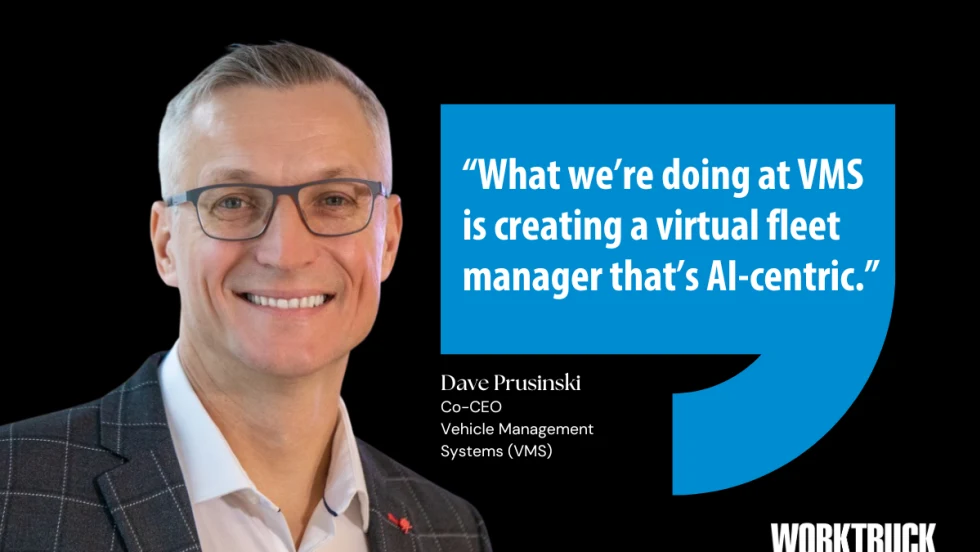
AI, Access, and Uptime: VMS’s Next Chapter with David Prusinski
VMS’s new Co-CEO, David Prusinski, shares how an AI-first approach will give small fleets and repair shops the tools to compete like big players.
Read More →