




Police Debate Use of Fleet Cars in Hawaii
Eliminating auto subsidy program in Hawaii county and instituting marked police cars could prove to be more expensive
HILO, Hawaii — Hawaii county officials are once again considering moving its Big Island police officers out of their privately owned cars with the blue lights mounted on top, and into county-owned, marked police cruisers in hopes that it may be cheaper, according to the Honolulu Advertiser. Neighboring islands, such as Kauai, Maui and Oahu have either shifted over to county-owned police vehicles or use a mix of private vehicles and county-owned police cars in the last few years, however, the Big Island has just a handful of police vehicles that are used to haul prisoners. Instead, the Big Island Police Department pays about $4.7 million a year to its officers to compensate them for using their own cars for patrol and other police duty. Alan Pratt, president of West Hawaii CrimeStoppers prepared a study in 2003 that said marked cars would be cheaper for the county, and that he believes they would also deter crime. Big Island police have studied the possibility of switching to marked patrol cars at least four times in the last 30 years. However, a county working group set up to plan a conversion to county-owned marked vehicles concluded that a county-owned fleet would be more expensive because it would cost the county about $27.5 million over five years, or about $3.87 million more than the county would pay over the same period if it continues with the subsidized vehicle program. Once the police completely convert to a county-owned fleet, the county will pay about $130,000 more per year to keep the county fleet operating than it costs to subsidize the police officers' private vehicles, the working group report concluded. Those projections don't include more than $100,000 a year for staff to administer the fleet, or the cost of maintenance facilities in Hilo, Kona and Waimea.
More Small Fleet


Developing Budget-Friendly Driver Safety Programs
From driver training and safety meetings to one-on-one coaching and incentive programs, several small fleets share how they have developed a safety culture with their drivers using low- to no-cost resources.
Read More →
Boosting Last-Mile Fleet Uptime, Safety, and Value with AI Vehicle Inspections
AI-powered inspections are transforming last-mile fleets by replacing manual checks with highly accurate automated scans that detect defects in seconds. By giving fleet operations visibility into the daily condition of their vehicles, you can identify trends over the vehicle’s lifecycle that enable improved procurement decisions, route management, driver training and accountability.
Read More →
Five Ways Seat Belts Help Prevent Injuries
There are five ways seat belts protect occupants from injuries, according to the Tennessee Department of Safety and Homeland Security.
Read More →
It’s here: The 2026 Fleet Technology Trends Report
What does AI mean for fleets? Get the answer — and learn other top tech trends.
Read More →
Small Fleets, Big Impact: How Independent Drivers Power Wreaths Across America
Check out how small fleets and independent drivers power Wreaths Across America each December and why their impact matters more than ever.
Read More →
VMS Survey Finds 65% of Small Fleet Managers Run Operations Alone
A new VMS survey shows small fleet managers are stretched thin, with most handling operations solo and eager to adopt digital tools for relief.
Read More →
Tips for Driving Safely on Halloween Night
This video features a reminder from the Connecticut Department of Transportation (DOT) and the Connecticut Police Chiefs Association, urging drivers to prioritize safety this Halloween.
Read More →
AI, Access, and Uptime: VMS’s Next Chapter with David Prusinski
VMS’s new Co-CEO, David Prusinski, shares how an AI-first approach will give small fleets and repair shops the tools to compete like big players.
Read More →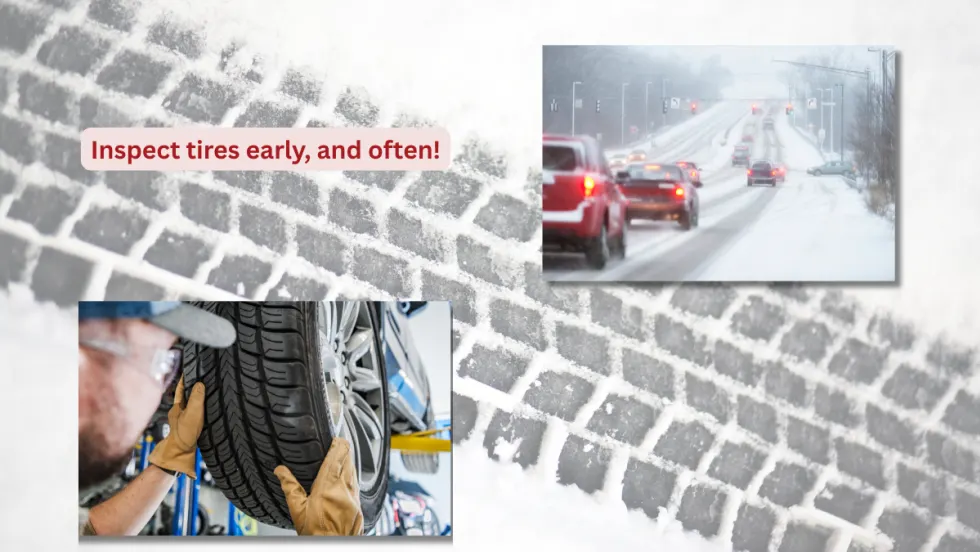
Fleet Managers Share Winter Prep Tips: It's Never Too Early!
Three fleets share best practices to prep vehicles for winter and prevent downtime when the cold sets in.
Read More →