




Per-Mile Fee May Someday Replace Gas Tax
With more alternative fuel vehicles on the roads and improved fuel efficiency, several states and the U.S. government consider taxing by the mile.
Congress has proposed spending millions to test “distance-pricing” method of taxation that would replace a traditional gas tax, according to an article released this week through Gannett News Service. The new tax model would work using an onboard computer that records distance. A global positioning satellite would tell the car's computer when it crosses state lines (to measure separate state mileage fees). That's important because each state would charge its own mileage fee, as it does now with gas taxes. Periodically, the driver would have to visit a service station or possibly some other location to pay the mileage fees, which would be divvied up among state and federal governments, the Gannett report said. Fuel taxes calculated on a per-gallon basis are the primary source of funding for state road maintenance and construction. On average, fuel taxes account for 65 to 85 percent of road use costs, according to Craig Westover’s column on TwinCities.com. But more drivers on the road than ever before mean more road maintenance, yet increased fuel economy means declining fuel tax revenues. Today average gasoline mileage is about 20 miles per gallon. But not all vehicles get "average" mileage. A Toyota Prius, for example, has an EPA combined mileage of 55 miles per gallon. A Chevy Suburban logs about 12 miles per gallon. Under a current tax-per-gallon system, a 1,000-mile trip in the Suburban produces about $16.67 in tax revenue compared to around $3.64 for the Prius. In a VMT fee system, both vehicles would pay tax of $12.50 (at the 1.25-cent rate) for equal use of the roads. If gas prices motivate consumers to purchase higher mileage vehicles, in the VMT fee system the state maintains its revenue stream. Oregon will begin an experiment using road-user fees in November 2005. In this pilot program drivers in Eugene will be exempt from paying gas taxes and instead be charged about one cent per mile, more during rush hour. Only cars built after 1996 will be used because electronic odometers are necessary to count miles traveled. Potential benefits being cited include: —Researchers say the model could — and should — be tweaked to charge trucks and sport utility vehicles more than compacts because heavier vehicles wear down roads faster than lighter ones. —States also could increase the mileage rate during rush hours to try to reduce congestion, as in Oregon. —The new system is fairer because it would reimburse states based on where a vehicle travels, not where it gasses up. Problems include: --Environmentalists could resist changing the current system, which rewards those driving fuel-efficient cars. --Taxpayer groups already fear this could be a backhanded way of raising taxes on motorists. --Invasion of privacy. Researchers are looking into ways to ensure that the only information that would be kept is the number of miles traveled in a state since the last payment.
More Small Fleet


Developing Budget-Friendly Driver Safety Programs
From driver training and safety meetings to one-on-one coaching and incentive programs, several small fleets share how they have developed a safety culture with their drivers using low- to no-cost resources.
Read More →
Boosting Last-Mile Fleet Uptime, Safety, and Value with AI Vehicle Inspections
AI-powered inspections are transforming last-mile fleets by replacing manual checks with highly accurate automated scans that detect defects in seconds. By giving fleet operations visibility into the daily condition of their vehicles, you can identify trends over the vehicle’s lifecycle that enable improved procurement decisions, route management, driver training and accountability.
Read More →

Five Ways Seat Belts Help Prevent Injuries
There are five ways seat belts protect occupants from injuries, according to the Tennessee Department of Safety and Homeland Security.
Read More →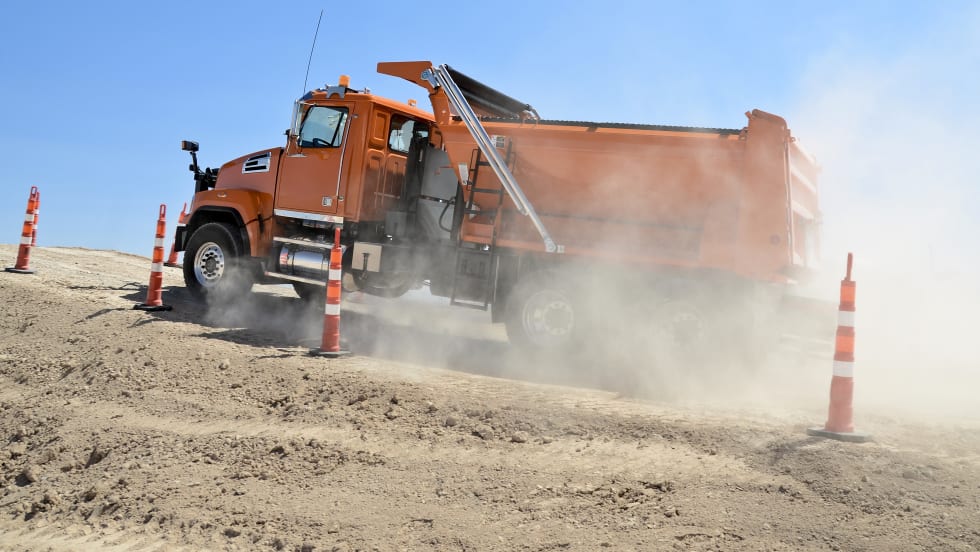
Basic Tracking vs Next Generation Fleet Technology
Fleet software is getting more sophisticated and effective than ever, tying big data models together to transform maintenance, safety, and the value of your existing tech stack. Fleet technology upgrades are undoubtedly an investment, but updated technology can offer a much higher return. Read how upgrading your fleet technology can increase the return on your investment.
Read More →
It’s here: The 2026 Fleet Technology Trends Report
What does AI mean for fleets? Get the answer — and learn other top tech trends.
Read More →
Small Fleets, Big Impact: How Independent Drivers Power Wreaths Across America
Check out how small fleets and independent drivers power Wreaths Across America each December and why their impact matters more than ever.
Read More →
VMS Survey Finds 65% of Small Fleet Managers Run Operations Alone
A new VMS survey shows small fleet managers are stretched thin, with most handling operations solo and eager to adopt digital tools for relief.
Read More →
Tips for Driving Safely on Halloween Night
This video features a reminder from the Connecticut Department of Transportation (DOT) and the Connecticut Police Chiefs Association, urging drivers to prioritize safety this Halloween.
Read More →
AI, Access, and Uptime: VMS’s Next Chapter with David Prusinski
VMS’s new Co-CEO, David Prusinski, shares how an AI-first approach will give small fleets and repair shops the tools to compete like big players.
Read More →