




Optimizing Fleet Drain Intervals
Fleet managers are trying to get every mile possible out of an oil change, and thanks to advances in additive technology in the past few years, many heavy-duty engine oils on the market help fleet managers extend intervals.
Fleet managers are trying to get every mile possible out of an oil change, and thanks to advances in additive technology in the past few years, many heavy-duty engine oils on the market help fleet managers extend intervals.
According to Mark Betner of Citgo Petroleum Corporation, several factors need to be considered when setting drain intervals. In Betner’s May 2007 article, “Optimize Your Fleet’s Drain Intervals,” published in Machinery Lubrication Magazine, many fleet managers may actually be overextending their drain intervals.
Overestimating the appropriate or optimized drain interval for the fleet could not only cause widespread engine failures, it could also quickly nullify any cost savings or profit margins resulting from the cost-cutting. To avoid this, one must move away from a mindset of “oil drain extension” to one of “oil drain optimization.”
To accomplish oil drain optimization, Betner advises fleet managers to consider the following steps:
- Reference the engine and/or vehicle manufacturer’s guidelines for oil intervals.
- Know the drain interval recommended by the oil filter manufacturer.
- Evaluate the fleet profile.
The more severe service the fleet regularly faces (for example, excessively hot or cold operating temperatures, loads, city driving pattern), the shorter the drain interval should be. Ask the following questions:
- What are my expectations from the fleet?
- What improvements do I hope to achieve by pushing the drain interval?
- What kind of load, weather and road conditions are the vehicles operating under?
- What is the standard engine idle time? Long engine idle times may accelerate the rate of oil contamination and thus shorten oil drain intervals.
- What is our average fuel economy? How much could we improve it?
- How long will you keep the vehicles in your fleet?
More Small Fleet

Developing Budget-Friendly Driver Safety Programs
From driver training and safety meetings to one-on-one coaching and incentive programs, several small fleets share how they have developed a safety culture with their drivers using low- to no-cost resources.
Read More →
Boosting Last-Mile Fleet Uptime, Safety, and Value with AI Vehicle Inspections
AI-powered inspections are transforming last-mile fleets by replacing manual checks with highly accurate automated scans that detect defects in seconds. By giving fleet operations visibility into the daily condition of their vehicles, you can identify trends over the vehicle’s lifecycle that enable improved procurement decisions, route management, driver training and accountability.
Read More →

Five Ways Seat Belts Help Prevent Injuries
There are five ways seat belts protect occupants from injuries, according to the Tennessee Department of Safety and Homeland Security.
Read More →
Basic Tracking vs Next Generation Fleet Technology
Fleet software is getting more sophisticated and effective than ever, tying big data models together to transform maintenance, safety, and the value of your existing tech stack. Fleet technology upgrades are undoubtedly an investment, but updated technology can offer a much higher return. Read how upgrading your fleet technology can increase the return on your investment.
Read More →
It’s here: The 2026 Fleet Technology Trends Report
What does AI mean for fleets? Get the answer — and learn other top tech trends.
Read More →
Small Fleets, Big Impact: How Independent Drivers Power Wreaths Across America
Check out how small fleets and independent drivers power Wreaths Across America each December and why their impact matters more than ever.
Read More →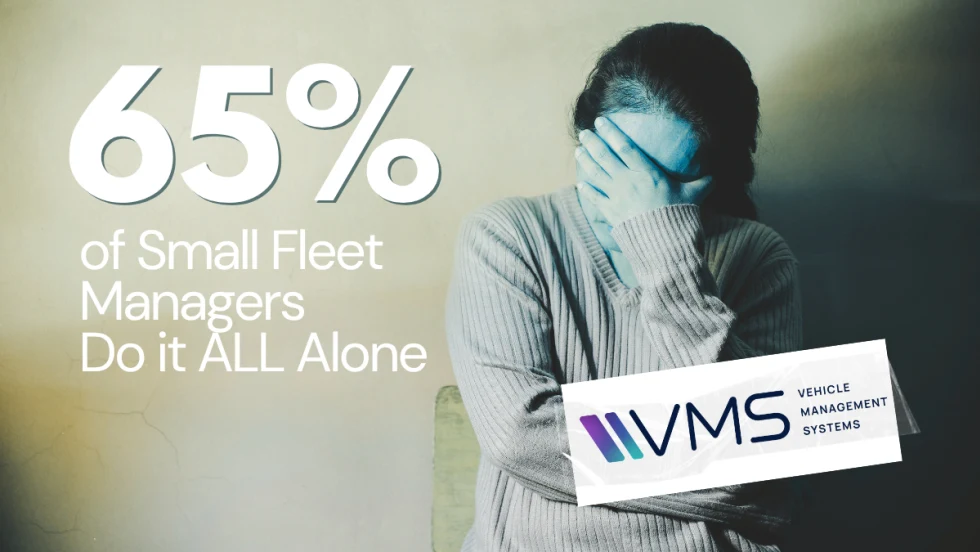
VMS Survey Finds 65% of Small Fleet Managers Run Operations Alone
A new VMS survey shows small fleet managers are stretched thin, with most handling operations solo and eager to adopt digital tools for relief.
Read More →
Tips for Driving Safely on Halloween Night
This video features a reminder from the Connecticut Department of Transportation (DOT) and the Connecticut Police Chiefs Association, urging drivers to prioritize safety this Halloween.
Read More →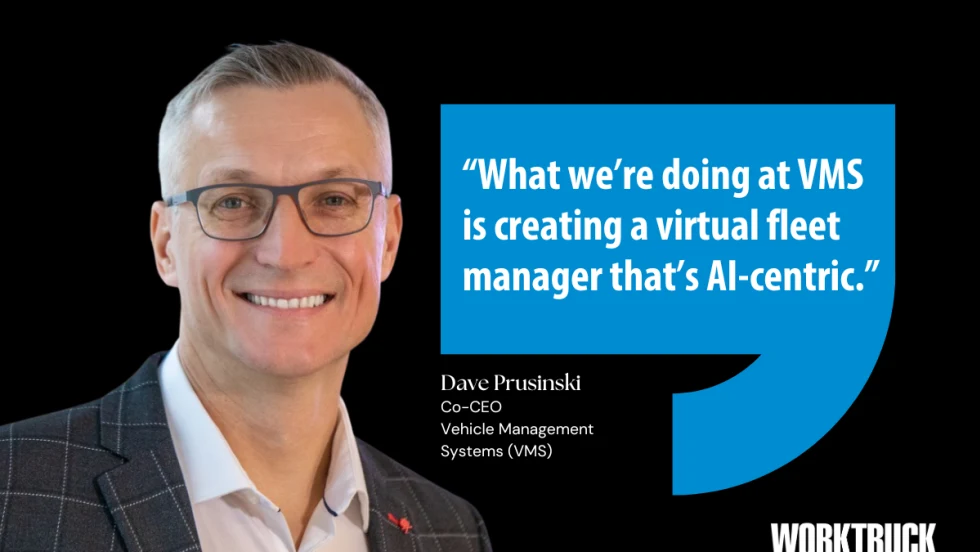
AI, Access, and Uptime: VMS’s Next Chapter with David Prusinski
VMS’s new Co-CEO, David Prusinski, shares how an AI-first approach will give small fleets and repair shops the tools to compete like big players.
Read More →