




Online Grocer Peapod Adds Hybrid Step Vans
Peapod, an online grocer, took delivery of its first two fuel-efficient, hydraulic hybrid delivery trucks this month.
by Staff
May 23, 2016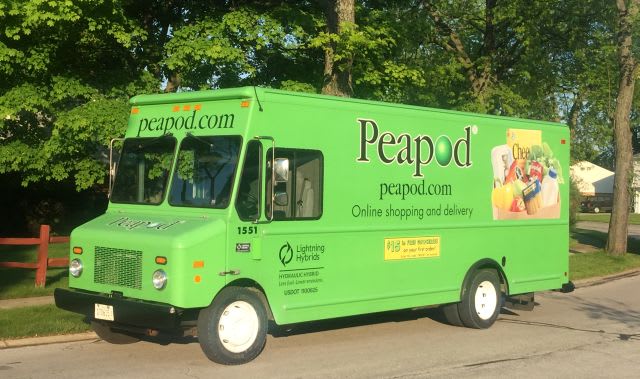
The vehicles are existing Workhorse walk-in vans with GM gasoline engines and equipped with the Lightning Hybrids Energy Recovery System (ERS). (PHOTO: Peapod
3 min to read
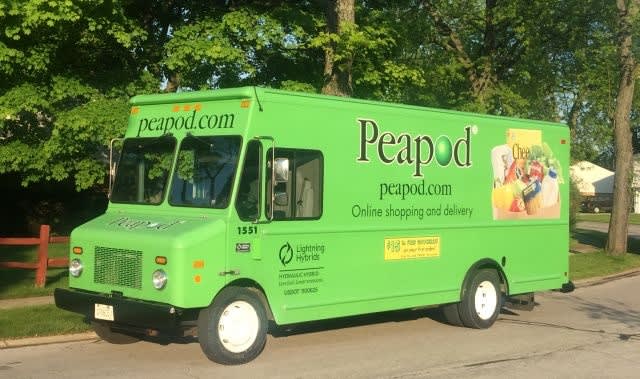
The vehicles are existing Workhorse walk-in vans with GM gasoline engines and equipped with the Lightning Hybrids Energy Recovery System (ERS). (PHOTO: Peapod
Peapod, an online grocer, took delivery of its first two fuel-efficient, hydraulic hybrid delivery trucks this month. The vehicles, existing Workhorse walk-in vans with GM gasoline engines and equipped with the Lightning Hybrids Energy Recovery System (ERS), are in service on the streets of Chicago and were partially paid for by the Drive Clean Chicago voucher program for clean vehicles.
The trucks, the first hydraulic hybrids in Peapod’s fleet of approximately 130 vehicles in the Midwest, are expected to significantly reduce fuel consumption, reduce brake maintenance costs and cut emissions for cleaner air in the neighborhoods where Peapod delivers.
“Peapod, by design, is a green company,” said Claudia Fikert, transportation fleet administrator, Midwest Region, Peapod, LLC. “Every Peapod truck on the road eliminates the need for an average of 20 passenger vehicles to drive to the grocery store. The addition of these hydraulic hybrid trucks to the Peapod fleet further increases the benefit and reduces our carbon footprint. The Drive Clean Chicago voucher program made it easy for us to add the Lightning Hybrids system to our mix of effective ways to reduce emissions, as well as increase fuel efficiency and make Peapod a better neighbor in the communities we serve.”
The Lightning Hybrids system was installed at the Advanced VTech facilities in Buffalo Grove, Ill. “The ERS system that we installed offers a quick return on investment due to outstanding fuel and brake savings,” said Ron Sheble, vice president of finance for Advanced VTech. “We retrofitted the hydraulic hybrid system to standard Peapod delivery vehicles with minimum downtime. We expect emissions to be reduced by 50 percent, and the vehicles now have more power for acceleration and smoother braking.”
“We are very excited to launch this project with Peapod and Advanced VTech, and to have the support of the Drive Clean Chicago voucher,” said David Brosky, vice president of sales for Lightning Hybrids. “Our ERS is perfect for Peapod’s urban and suburban routes and will lower their fuel costs. The Drive Clean Chicago voucher program provides a strong incentive for fleets that may be on the fence about trying a different technology.”
The Lightning Hybrids ERS on a Peapod vehicle was unveiled at the Lake Michigan Clean Cities Consortium’s Green Drives Conference and Expo today in Naperville, at which nearly 250 attendees learned about steps they can take to make their fleets less reliant on petroleum, cleaner with lower emissions, and more fuel efficient.
“The new vehicle that Peapod and Lightning Hybrids debuted today is an example of the innovative solutions being implemented by our Clean Cities member fleets,” said Joe Koenig, communications manager, Chicago Area Clean Cities Coalition. “Today, we had 40 environmentally friendly vehicles showcased at our Green Drives Conference, and 25 exhibitors featured their technologies for green transportation.”
Peapod’s hydraulic hybrids are on the road in Chicago now. Lightning Hybrids currently has systems operating in fleets around the world with orders for more in Chicago and Massachusetts in the next month. The ERS is made and assembled in Loveland, Colorado at Lightning Hybrids’ advanced manufacturing and engineering facilities.
Originally posted on Automotive Fleet
More Green Fleet

Fleet Forward Conference Introduces One-Day Passes for 2026
New one-day registration gives fleet professionals the flexibility to attend Tuesday, Wednesday, or Thursday, with passes available for $199 through Sept. 18.
Read More →
CALSTART Rebrands as Catalyst Mobility, Will Combine with Forth in 2027
CALSTART has rebranded as Catalyst Mobility and will combine with Forth at the start of 2027. The new organization said it is poised to become one of the world's largest, strongest, and most impactful clean transportation nonprofits.
Read More →
Electric Truck and Charging Programs to Boost Sustainability at NY & NJ Ports
Together, the Port Authority of New York and New Jersey and CALSTART will electrify drayage and terminal operations serving the East Coast’s busiest container port. A pair of incentive programs totaling $45 million has launched to accelerate adoption of zero-emission drayage trucks and terminal tractors.
Read More →
Xos Hub Surpasses One Gigawatt-Hour of Energy Delivered in the Field
A single Xos Hub has surpassed one gigawatt-hour of energy across more than 33,600 charging sessions in the field, demonstrating performance that supports Xos' expansion across new products and markets.
Read More →
Carrier Transicold Launches All-Electric Vector 8200 TRU for Diesel-Free On-Site Cold Storage
Carrier Transicold’s first engineless multi-temperature TRU helps fresh- and frozen-food fleets add supplemental cold storage capacity during seasonal peaks.
Read More →
Narro Trucks Introduces Electric Utility Vehicle
Narro Trucks officially launched its operations on Aug. 20 and hosted a ride and drive to showcase its electric truck, which will be produced in Virginia.
Read More →
Samsung SDI Takes Full Control of GM Battery JV as Indiana Plant Pivots to Energy Storage
Samsung SDI is taking full control of its Indiana battery plant with GM, marking a major shift from the EV-focused joint venture Charged Fleet first covered in 2023.
Read More →
NWSA Taps CALSTART to Administer Zero-Emission Drayage Assistance Program
CALSTART will provide free technical assistance services to drayage fleets serving the Ports of Seattle and Tacoma and looking to transition to cleaner technologies and help decarbonize freight hubs.
Read More →
EV Fleet Reality Check: What Operators Wish They Knew Before Electrifying Their Work Vans
Electric work truck upfits bring new compatibility questions. Learn how parts availability, OEM guidance, power demands, and route planning can affect fleet performance.
Read More →
Peterbilt Expands Sourcewell Partnership with Electric Vehicle Lineup
Peterbilt Motors Company’s cooperative purchasing agreement with Sourcewell and its Canadian partner, Canoe Procurement Group, now includes including Peterbilt's battery-electric vehicle lineup.
Read More →