




Okla. CNG Legislation Moves Forward
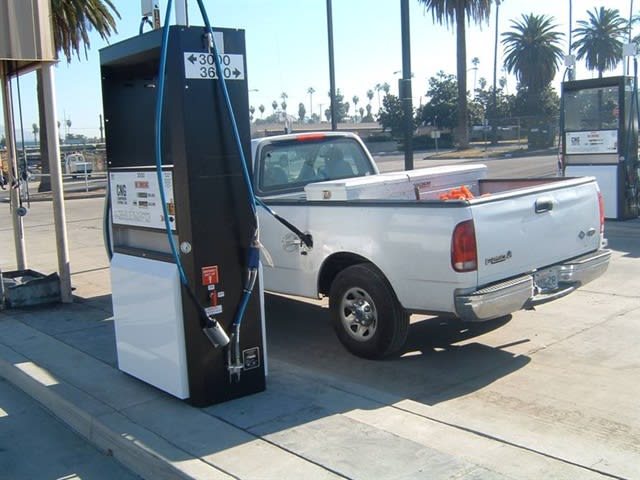
The Oklahoma House has passed a bill that would expand compressed natural gas (CNG) fueling infrastructure in the state's 77 counties with tax revenue already collected on natural gas and oil extraction.
Phote: File
Phote: File
The Oklahoma House has passed a bill that would expand compressed natural gas (CNG) fueling infrastructure in the state's 77 counties with tax revenue already collected on natural gas and oil extraction.
H.R. 2954, sponsored by Rep. John Cockroft, passed the House 71-17 on March 6. The bill now heads to the state Senate. Cockroft introduced it in January.
When built, the stations would be accessible to commercial fleets, government fleets, and the public.
Tax revenue would be used to fund the CNG infrastructure build-out as well as fund the conversion of vehicles in county fleets. Oklahoma's counties would each receive an equal share of the tax revenue, which is expected to be $15 million in the first year. The funding would end July 1, 2019.
The legislation would also require counties to keep track of annual savings from the initiative. Oklahoma's Department of Transportation banked significant savings after converting 174 vehicles to CNG. The department saved $163,451 in five months, according to Cockroft.
"That's $32,690 per month," Cockroft said. "My legislation would aid counties in converting their fleets to CNG and further multiply those savings throughout the state."
Read the full text of the bill here.
Originally posted on Automotive Fleet
More Small Fleet


Developing Budget-Friendly Driver Safety Programs
From driver training and safety meetings to one-on-one coaching and incentive programs, several small fleets share how they have developed a safety culture with their drivers using low- to no-cost resources.
Read More →
Boosting Last-Mile Fleet Uptime, Safety, and Value with AI Vehicle Inspections
AI-powered inspections are transforming last-mile fleets by replacing manual checks with highly accurate automated scans that detect defects in seconds. By giving fleet operations visibility into the daily condition of their vehicles, you can identify trends over the vehicle’s lifecycle that enable improved procurement decisions, route management, driver training and accountability.
Read More →
Five Ways Seat Belts Help Prevent Injuries
There are five ways seat belts protect occupants from injuries, according to the Tennessee Department of Safety and Homeland Security.
Read More →
It’s here: The 2026 Fleet Technology Trends Report
What does AI mean for fleets? Get the answer — and learn other top tech trends.
Read More →
Small Fleets, Big Impact: How Independent Drivers Power Wreaths Across America
Check out how small fleets and independent drivers power Wreaths Across America each December and why their impact matters more than ever.
Read More →
VMS Survey Finds 65% of Small Fleet Managers Run Operations Alone
A new VMS survey shows small fleet managers are stretched thin, with most handling operations solo and eager to adopt digital tools for relief.
Read More →
Tips for Driving Safely on Halloween Night
This video features a reminder from the Connecticut Department of Transportation (DOT) and the Connecticut Police Chiefs Association, urging drivers to prioritize safety this Halloween.
Read More →
AI, Access, and Uptime: VMS’s Next Chapter with David Prusinski
VMS’s new Co-CEO, David Prusinski, shares how an AI-first approach will give small fleets and repair shops the tools to compete like big players.
Read More →
Fleet Managers Share Winter Prep Tips: It's Never Too Early!
Three fleets share best practices to prep vehicles for winter and prevent downtime when the cold sets in.
Read More →