




Related: Commentary: Off-Peak Deliveries Can Make a Difference
NYC to Test Ban on Curbside Deliveries
The city will also be expanding its off-hour delivery program for businesses that are interested in receiving deliveries during less busy times.
by Staff
October 26, 2017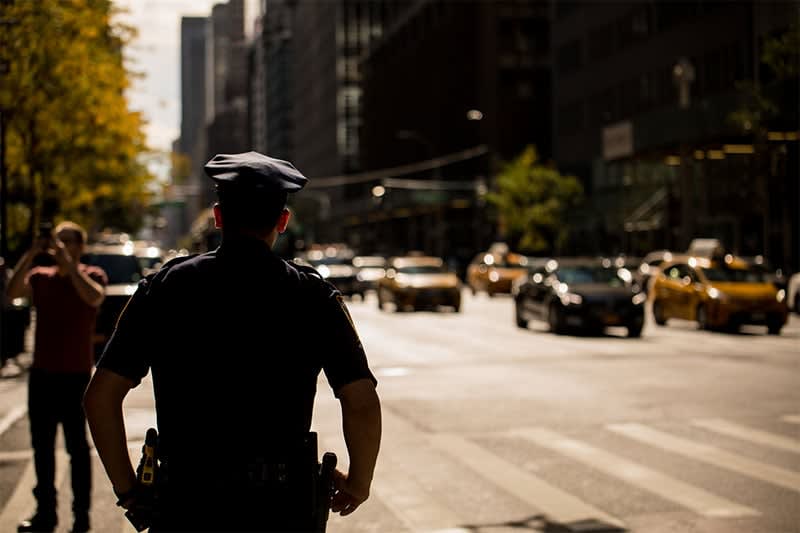
New York Police Department’s Traffic Enforcement Agents will be on hand to enforce moving and parking violations, double parking, and off-route trucks as the city experiments with curbside delivery restrictions to help ease traffic. Photo via NYC Office of the Mayor.
2 min to read
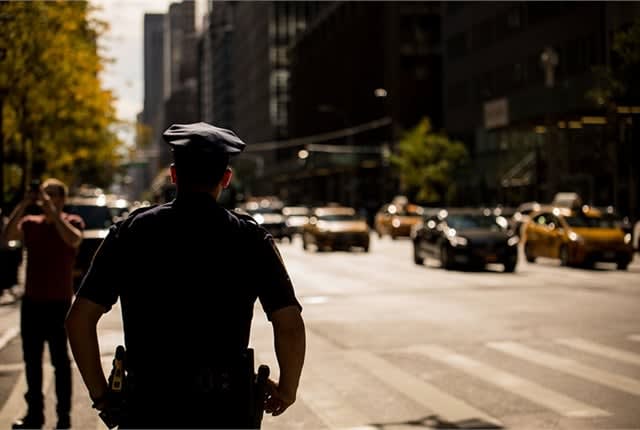
New York Police Department’s Traffic Enforcement Agents will be on hand to enforce moving and parking violations, double parking, and off-route trucks as the city experiments with curbside delivery restrictions to help ease traffic. Photo via NYC Office of the Mayor.
In an effort to decrease congestion and traffic in New York City, Mayor Bill de Blasio is piloting a program that will restrict access to curbside deliveries during peak hours in three of the city’s most congested corridors, according to an announcement from the mayor’s office.
Beginning in January, NYC will ban curbside loading and unloading on both sides of the street in the pilot areas during peak hours, from 7 to 10 a.m. and 4 to 7 p.m.
However, deliveries to off-street docks, as well as the expedited pick up and drop off of passengers will still be allowed.
The pilot is slated to last six months, at which point the city will evaluate its effectiveness and decide whether or not to expand the rule.
Continuous curb moving lanes are also being created in 11 key crosstown streets in Manhattan’s Central Business District. Deliveries will typically be accepted on one side of the street, while the other will be marked for no stopping from 6 a.m. to 7 p.m.
New York Police Department’s Traffic Enforcement Agents will be on hand to enforce moving and parking violations, double parking, and off-route trucks.
The city will also be expanding its off-hour delivery program for businesses that are interested in receiving deliveries during less busy times.
In addition to limiting and restricting curb access, de Blasio’s office is expanding “block-the-box” enforcement to reduce intersection gridlock. NYC Department of Transportation will install special markings and signage to help prevent vehicles from entering intersections without sufficient space on the other side.
NYC is also partnering with the Metropolitan Transit Authority, the NY DOT, and the Port Authority to help reduce congestion and choke points on areas and highways outside the city’s jurisdiction.
While restricting curbside access is set to begin in January, the mayor's office was not available to clarify if the other restrictions would begin at that time as well.
Topics:New York DOTTraffic ViolationsCongestionDelivery FleetsNew York CityTraffic CongestionDelivery TruckOperationsSmall Fleet
Originally posted on Automotive Fleet
More Operations

Workhorse Enters Modular AI Infrastructure Market Through TerraPod Partnership with RHAELM
Workhorse’s initial agreement with RHAELM is to develop a full-scale TerraPod manufacturing spec unit, then a non-binding letter of intent covers further expanding the partnership, including a supply agreement and a contemplated contingent initial order for 150 TerraPod systems.
Read More →
Your Fleet Experience Deserves a Vote
You know what happens after the vehicle leaves the dealership. Work Truck’s fleet awards give that experience a place in the industry conversation, and a reason to make your voice heard.
Read More →
Work Truck Seeks Fleet and Industry Insights on 2026 Trends and 2027 Forecasts
Work Truck is seeking insights from fleet leaders and industry partners on the trends that shaped 2026 and what commercial fleets should prepare for in 2027. Participate today!
Read More →From Our Partners
Basic Tracking vs Next Generation Fleet Technology
Sponsored by AT&T Business

5 Facts Every Fleet Manager Should Know About Embedded Telematics
Sponsored by Stellantis/Mobilisights

How AI Video Telematics Boosts Driver Safety and Helps to Avoid Unnecessary Costs
Sponsored by Verizon Connect

Charting the 8 Bottom-Line Benefits of Workforce Optimization
Sponsored by Verizon Connect

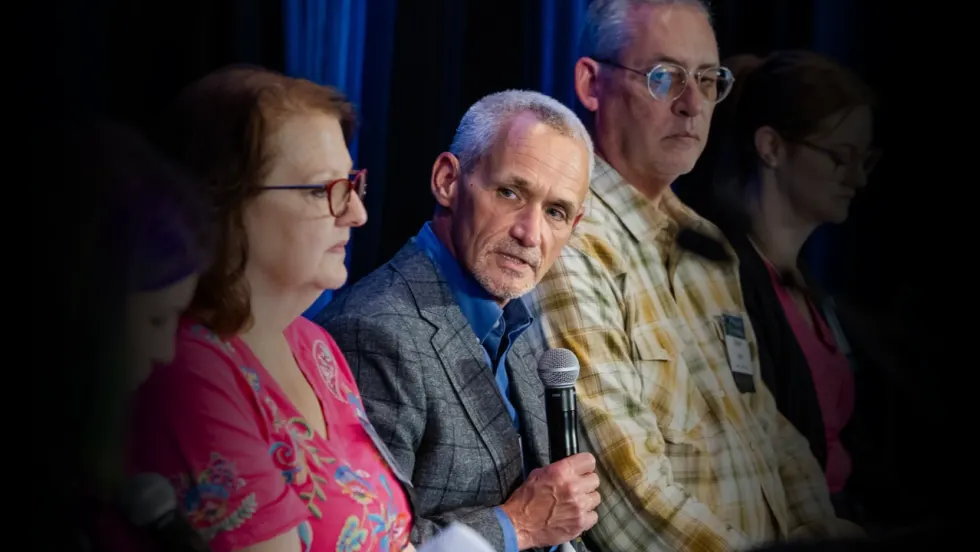
30 Years in Fleet and Still Learning: Lessons Beyond Trucks
After more than three decades in fleet, Bob Adamsky has learned that knowing trucks is only part of the job. The bigger lessons come down to communication, understanding, and never assuming you know it all.
Read More →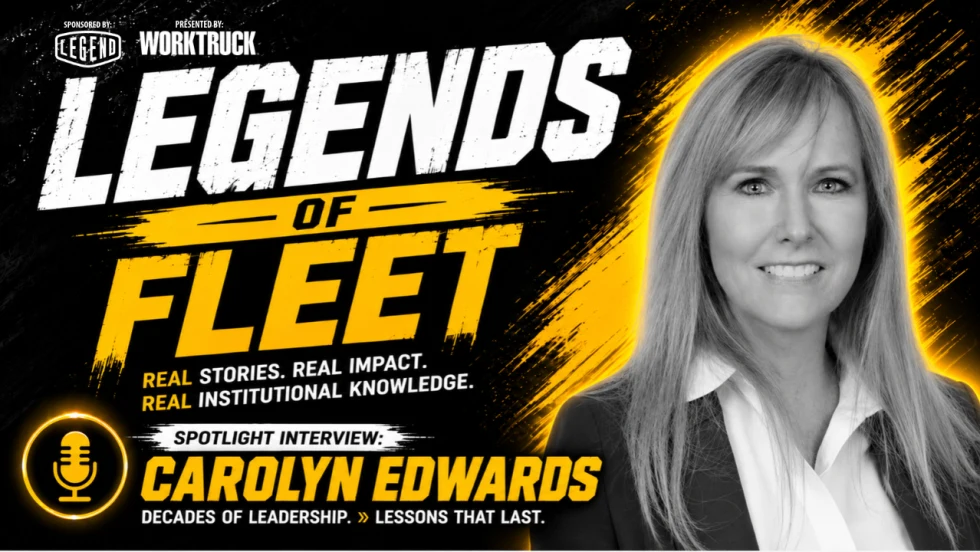
What Every New Fleet Manager Should Know
Carolyn Edwards shares lessons on finding mentors, showing fleet’s value, and leading teams in this episode of Legends of Fleet.
Read More →
Les Schwab Tires Launches Foundation With $100,000 for Community Recovery
Les Schwab Tires launches a foundation with $100,000 to support recovery for Silver Rail Elementary and the Bend community following a school shooting.
Read More →
Bring Some Fleet to Your Halloween with Our Pumpkin Carving Templates
Download Work Truck’s truck-themed pumpkin patterns, explore more automotive designs, and give your shop or front porch a seasonal upgrade.
Read More →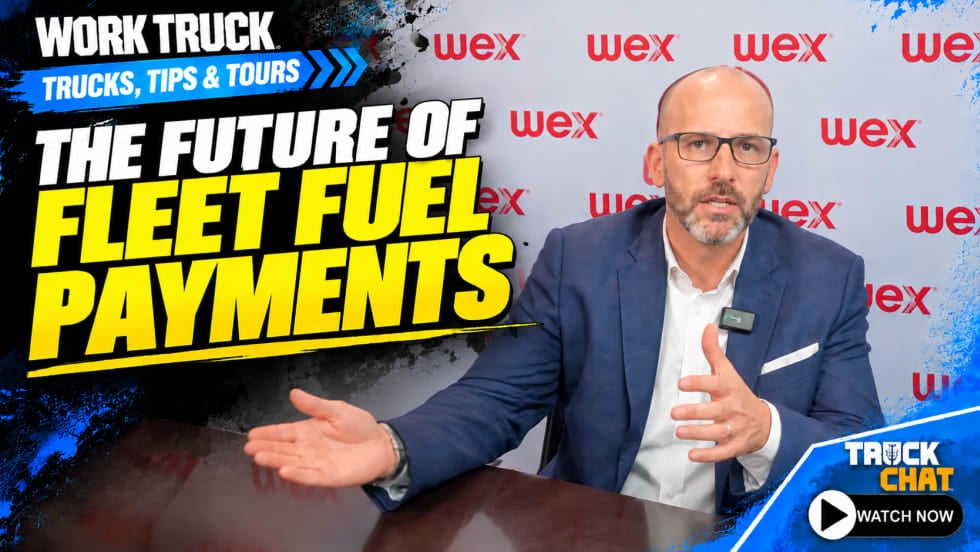
How Cardless Fuel Payments Benefit Commercial Fleets
Is it time for fleets to move beyond plastic fuel cards? David Abraham of WEX explains how cardless fuel payments can help reduce fraud, simplify driver transactions, and improve efficiency by allowing drivers to pay for fuel using their smartphones.
Read More →
Good Fleet Leadership Starts With the People You Already Have
From developing future leaders to listening to employees, discover how better leadership can help work truck fleets retain talent and build stronger teams.
Read More →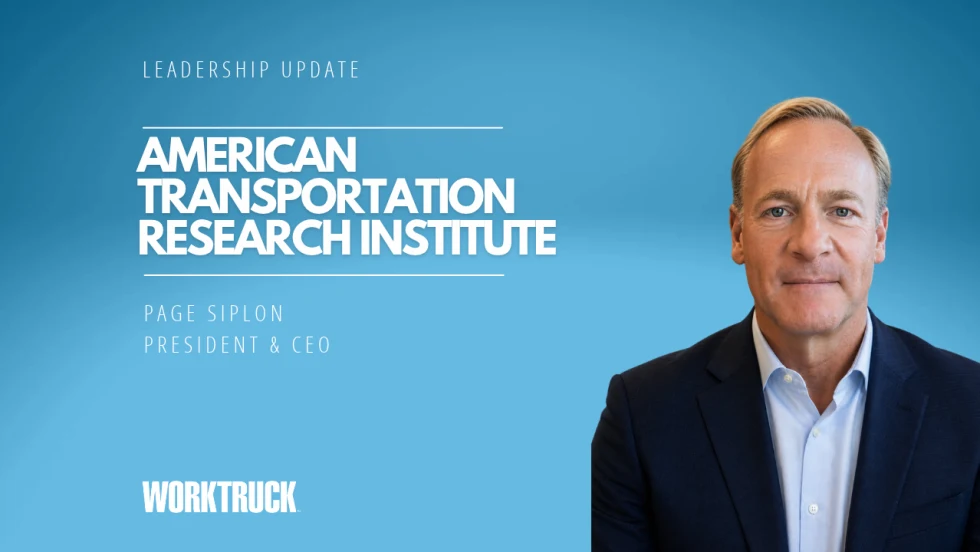
ATRI Names Next President and CEO
Page Siplon, a longtime transportation and logistics industry executive, has been chosen as the next president and CEO of the American Transportation Research Institute (ATRI).
Read More →