




NREL Breaks Ground on $224M EMAPS Facility to Accelerate Clean Energy
NREL’s EMAPS facility is set to transform renewable energy research and development. Find out how this state-of-the-art lab will speed up the path to commercialization.

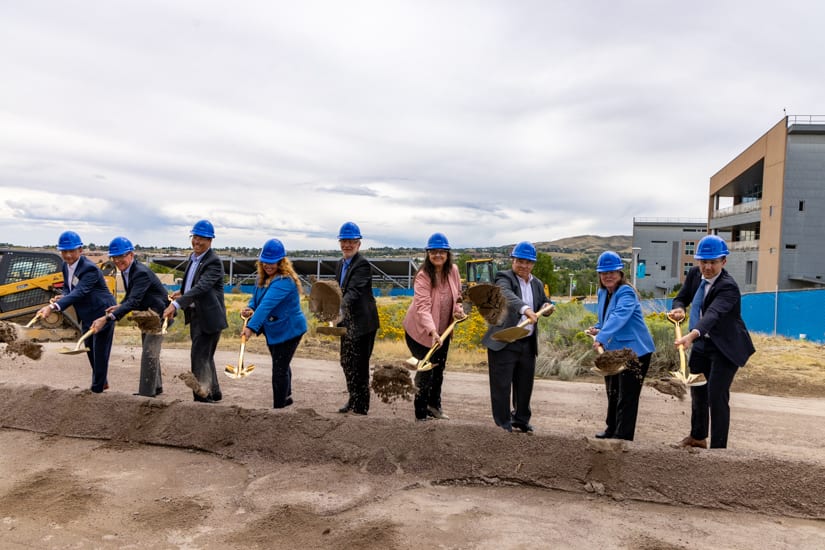
With construction underway, NREL’s new EMAPS lab will boost collaboration to scale energy innovations. Discover what’s ahead for clean energy technologies by 2027.
Photo: NREL
The U.S. Department of Energy's (DOE's) National Renewable Energy Laboratory (NREL) broke ground on its new Energy Materials and Processing at Scale (EMAPS) facility on the east side of its South Table Mountain Campus in Golden, Colorado.
The 127,000-square-foot laboratory will be a signature facility enabling collaboration with industry partners, universities, and other DOE laboratories to accelerate laboratory-scale innovations in energy materials to market-ready products and processes.
JE Dunn Construction, with its design partner SmithGroup, was selected to design and build the new research facility, which will be completed in 2027.
"We are excited to be on our way to building our new EMAPS facility," said NREL Director Martin Keller. "The new capabilities we will gain from EMAPS will accelerate innovations in materials and processes essential to clean energy technologies, from lab-scale discovery to scale-up for commercialization, allowing NREL to dig deeper into our current research while also pursuing exciting new avenues."
EMAPS will create a direct path from bench-scale materials and process innovations to pilot-scale integration and production. The laboratory design will facilitate a multidisciplinary approach to materials research and development by providing opportunities for engineers, scientists, and industry partners to work together in shared laboratory facilities to accelerate process scale-up and market adoption of the advanced energy materials needed for a clean energy transition.
"The groundbreaking of the new EMAPS facility marks a significant milestone in our ongoing partnership with NREL," said JE Dunn Project Director Charlie Slattery. "It represents the culmination of extensive collaboration and hard work from a dedicated team of stakeholders to make such a complex and innovative project a reality."
It will maximize collaboration, facilitate cross-functional innovation, and accelerate discoveries to market-relevant technology solutions. The building's research capabilities and applications will enable materials and process innovations in energy storage, advanced manufacturing, technologies for grid modernization, sustainable chemicals, and fuels for transportation and industrial applications.
The facility will also address end-of-life and circularity challenges across multiple energy technology platforms, focusing on polymers, packaging, and waste streams during and after production. The total budget for the EMAPS project is $224 million.
"America's ability to transition to renewable energy depends on a secure and sustainable supply chain," said Jeff Marootian, principal deputy assistant secretary for the Office of Energy Efficiency and Renewable Energy. "With scientists, engineers, and other partners working together in a collaborative environment, the EMAPS facility will transform how the U.S. scales up the materials and processes needed to achieve our national clean energy goals."
Incorporating advanced sustainability strategies and innovative energy efficiency approaches are critical project factors. EMAPS is intended to achieve a minimum of LEED Gold certification with a sustainable, high-performance design and advanced energy efficiency approaches such as reclaimed gray water, building heat reclaim technologies, and using electricity instead of natural gas to support campus decarbonization efforts.
"As we continue to modernize the U.S. electrical grid, this new facility will help the nation stay at the forefront of scientific discovery," said Derek Passarelli, principal deputy undersecretary for Science and Technology at DOE. "Researchers will be equipped to develop hybrid technologies, such as in biopolymers, fuels, batteries, and manufacturing processes, that will strengthen our circular economy."
The building is designed to have modern, open, and flexible spaces that accommodate rapid experiment configuration and encourage collaboration among researchers. The general principle is to provide laboratory capabilities in a single facility that allows researchers and engineers to collaborate in a multidisciplinary setting.
NREL is the U.S. Department of Energy's primary national laboratory for renewable energy and energy efficiency research and development. The Alliance for Sustainable Energy LLC operates NREL for DOE.
More Green Fleet

Fleet Forward Conference Introduces One-Day Passes for 2026
New one-day registration gives fleet professionals the flexibility to attend Tuesday, Wednesday, or Thursday, with passes available for $199 through Sept. 18.
Read More →
CALSTART Rebrands as Catalyst Mobility, Will Combine with Forth in 2027
CALSTART has rebranded as Catalyst Mobility and will combine with Forth at the start of 2027. The new organization said it is poised to become one of the world's largest, strongest, and most impactful clean transportation nonprofits.
Read More →
Electric Truck and Charging Programs to Boost Sustainability at NY & NJ Ports
Together, the Port Authority of New York and New Jersey and CALSTART will electrify drayage and terminal operations serving the East Coast’s busiest container port. A pair of incentive programs totaling $45 million has launched to accelerate adoption of zero-emission drayage trucks and terminal tractors.
Read More →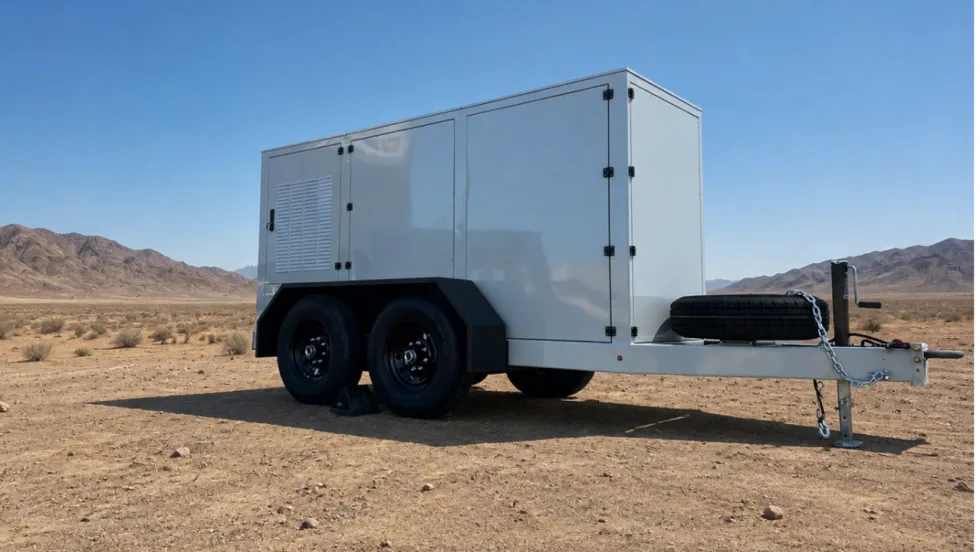
Xos Hub Surpasses One Gigawatt-Hour of Energy Delivered in the Field
A single Xos Hub has surpassed one gigawatt-hour of energy across more than 33,600 charging sessions in the field, demonstrating performance that supports Xos' expansion across new products and markets.
Read More →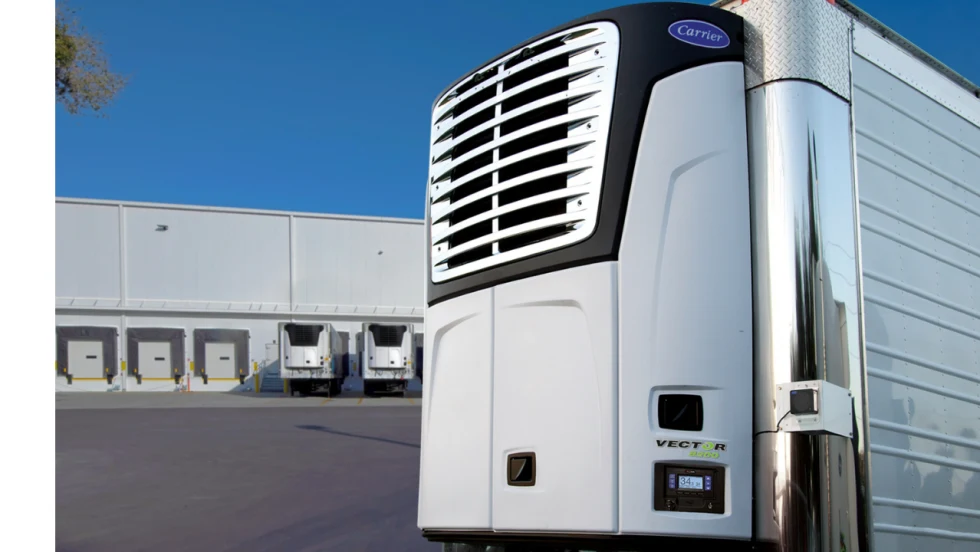
Carrier Transicold Launches All-Electric Vector 8200 TRU for Diesel-Free On-Site Cold Storage
Carrier Transicold’s first engineless multi-temperature TRU helps fresh- and frozen-food fleets add supplemental cold storage capacity during seasonal peaks.
Read More →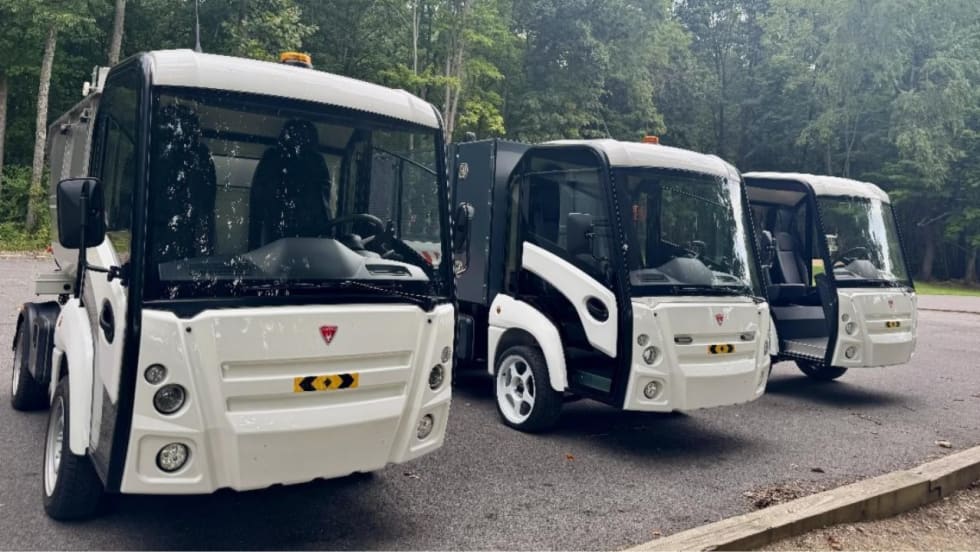
Narro Trucks Introduces Electric Utility Vehicle
Narro Trucks officially launched its operations on Aug. 20 and hosted a ride and drive to showcase its electric truck, which will be produced in Virginia.
Read More →
Samsung SDI Takes Full Control of GM Battery JV as Indiana Plant Pivots to Energy Storage
Samsung SDI is taking full control of its Indiana battery plant with GM, marking a major shift from the EV-focused joint venture Charged Fleet first covered in 2023.
Read More →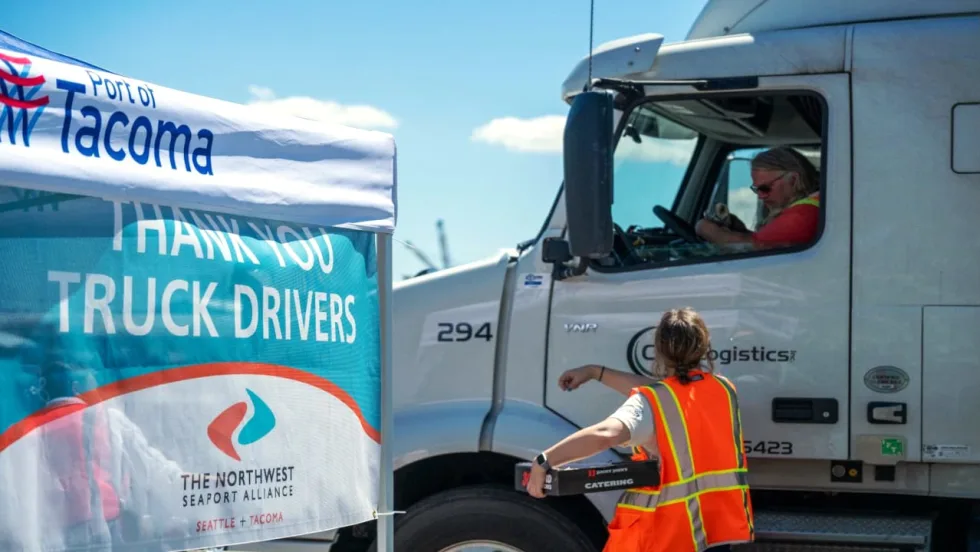
NWSA Taps CALSTART to Administer Zero-Emission Drayage Assistance Program
CALSTART will provide free technical assistance services to drayage fleets serving the Ports of Seattle and Tacoma and looking to transition to cleaner technologies and help decarbonize freight hubs.
Read More →
EV Fleet Reality Check: What Operators Wish They Knew Before Electrifying Their Work Vans
Electric work truck upfits bring new compatibility questions. Learn how parts availability, OEM guidance, power demands, and route planning can affect fleet performance.
Read More →
Peterbilt Expands Sourcewell Partnership with Electric Vehicle Lineup
Peterbilt Motors Company’s cooperative purchasing agreement with Sourcewell and its Canadian partner, Canoe Procurement Group, now includes including Peterbilt's battery-electric vehicle lineup.
Read More →