




Nissan Announces Pricing on 2007 Altima Hybrid
The new hybrid sedan is on sale now in the eight states that have adopted California emissions regulations: California, Connecticut, Maine, Massachusetts, New Jersey, New York, Rhode Island and Vermont.
Nissan this week announced a starting Manufacturer's Suggested Retail Price (MSRP) of $24,400 for the 2007 Nissan Altima Hybrid, Nissan's first entry in the hybrid electric vehicle market. The Altima Hybrid has been certified by the Internal Revenue Service as meeting the requirements for the Alternative Motor Vehicle Credit of $2,350. With a range of almost 700 miles between fill-ups, Altima Hybrid's EPA fuel economy is estimated at 42 mpg City and 36 mpg Highway. It is rated as an Advanced Technology-Partial Zero Emissions Vehicle (AT-PZEV) and emits almost no evaporative emissions. The Altima Hybrid powertrain mates a refined version of Nissan's QR25 2.5-liter 4-cylinder engine and standard electronically controlled CVT with an advanced electric drive motor/generator that increases fuel economy while maintaining low tailpipe emissions. The advanced energy drive system shares duties between the gasoline-powered 4-cylinder and the emissions-free electric motor – allowing the Altima Hybrid to run solely on electric power if appropriate, especially during stop-and-go driving. If extra performance is needed, the gasoline engine starts instantly and smoothly adds power as required. The Altima Hybrid has a hybrid system net power rating of 198 horsepower (148 kW). Acceleration from zero to 60 mph is estimated at about 0.5 seconds quicker than a standard 2.5-liter 4-cylinder equipped Altima. The Altima Hybrid utilizes regenerative braking technology to recharge the hybrid system’s batteries. The Regenerative Cooperative Brake System calculates braking force generated by brake pedal operation and controls the regenerative brake force to convert kinetic energy into electric energy, optimizing energy regeneration. Helping provide smooth acceleration and maximize powertrain efficiency is the Altima Hybrid's hybrid system-specific eCVT, which works in conjunction with the Hybrid Vehicle-Electric Control Unit (HV-ECU) to determine which power source or combination of power sources will turn the wheels. Altima Hybrid standard equipment includes 16-inch alloy wheels, Intelligent Key with Push Button Ignition, power windows/door locks, 6-speaker AM/FM/CD system with auxiliary audio input jack, Anti-lock Braking System (ABS), Vehicle Dynamic Control (VDC), Traction Control System (TCS) and dual-zone automatic temperature control that includes an Altima Hybrid-specific electrically powered A/C that continues to provide cooling when the gasoline engine is stopped. Safety features include the Nissan Advanced Air Bag System (AABS), front seat-mounted side-impact supplemental air bags for chest protection, roof-mounted curtain side-impact supplemental air bags for front and rear outboard occupant head protection and front seat Active Head Restraints. Serving as the foundation for all fourth generation 2007 Altimas—including Hybrid—is Nissan's all-new "D" platform with improved body rigidity and a redesigned suspension. The Altima Hybrid shares exterior and interior designs with the other 2007 Altima models, with the exception of unique Hybrid badging, roof-mounted antenna and hybrid power/charge display in the driver information display.
More Small Fleet


Developing Budget-Friendly Driver Safety Programs
From driver training and safety meetings to one-on-one coaching and incentive programs, several small fleets share how they have developed a safety culture with their drivers using low- to no-cost resources.
Read More →
Boosting Last-Mile Fleet Uptime, Safety, and Value with AI Vehicle Inspections
AI-powered inspections are transforming last-mile fleets by replacing manual checks with highly accurate automated scans that detect defects in seconds. By giving fleet operations visibility into the daily condition of their vehicles, you can identify trends over the vehicle’s lifecycle that enable improved procurement decisions, route management, driver training and accountability.
Read More →
Five Ways Seat Belts Help Prevent Injuries
There are five ways seat belts protect occupants from injuries, according to the Tennessee Department of Safety and Homeland Security.
Read More →
It’s here: The 2026 Fleet Technology Trends Report
What does AI mean for fleets? Get the answer — and learn other top tech trends.
Read More →
Small Fleets, Big Impact: How Independent Drivers Power Wreaths Across America
Check out how small fleets and independent drivers power Wreaths Across America each December and why their impact matters more than ever.
Read More →
VMS Survey Finds 65% of Small Fleet Managers Run Operations Alone
A new VMS survey shows small fleet managers are stretched thin, with most handling operations solo and eager to adopt digital tools for relief.
Read More →
Tips for Driving Safely on Halloween Night
This video features a reminder from the Connecticut Department of Transportation (DOT) and the Connecticut Police Chiefs Association, urging drivers to prioritize safety this Halloween.
Read More →
AI, Access, and Uptime: VMS’s Next Chapter with David Prusinski
VMS’s new Co-CEO, David Prusinski, shares how an AI-first approach will give small fleets and repair shops the tools to compete like big players.
Read More →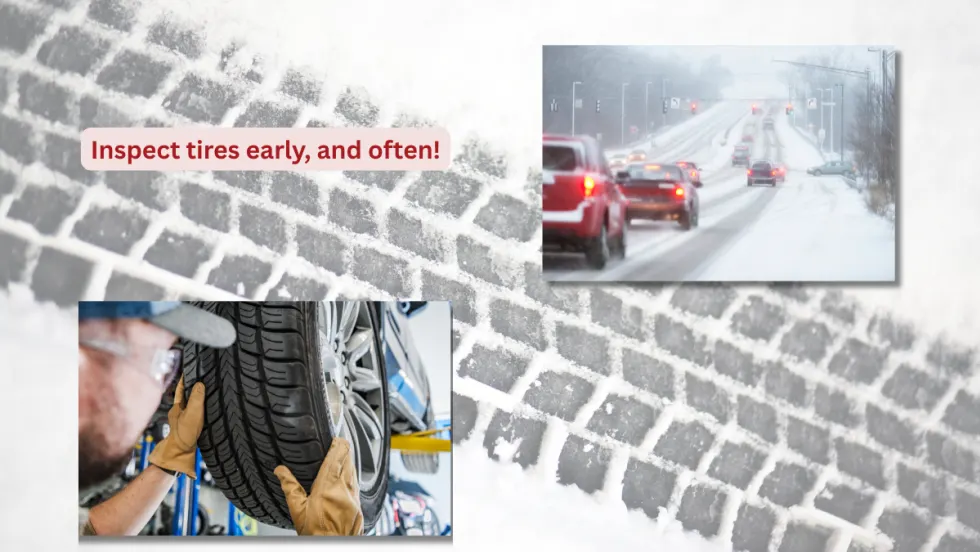
Fleet Managers Share Winter Prep Tips: It's Never Too Early!
Three fleets share best practices to prep vehicles for winter and prevent downtime when the cold sets in.
Read More →