




NHTSA Gives Chevy Blazer Worst Rollover Rating
General Motors Corp.'s 2002 Chevrolet Blazer sport utility vehicle with two-wheel drive received the U.S. government's worst rollover rating, while Ford Motor Co.'s Thunderbird convertible got the highest mark, according to a Bloomberg News story by Rip Watson. The vehicles were among 26 in the latest ratings by the National Highway Traffic Safety Administration (NHTSA). The ratings use a center-of-gravity equation and aren't based on road tests. Vehicles receive from one star, the worst score, to five stars. Detroit-based General Motors couldn't immediately be reached to comment on the Blazer rating, according to Bloomberg News. The Ford Thunderbird is the seventh vehicle to get the five-star rating, NHTSA spokesman Tim Hurd said. The others are DaimlerChrysler AG's Chrysler Sebring and similar Dodge Stratus cars, Honda Motor Co.'s Accord sedan and three Ford cars -- the Ford Crown Victoria, Mercury Grand Marquis and Lincoln LS. In the latest round, the agency gave two-star ratings to Ford's 2002 Explorer, for both two-wheel and four-wheel-drive models, the four-wheel-drive Blazer and Mazda Motor Corp.'s B-Series four-wheel-drive pickup truck.
More Small Fleet - Do Not Use

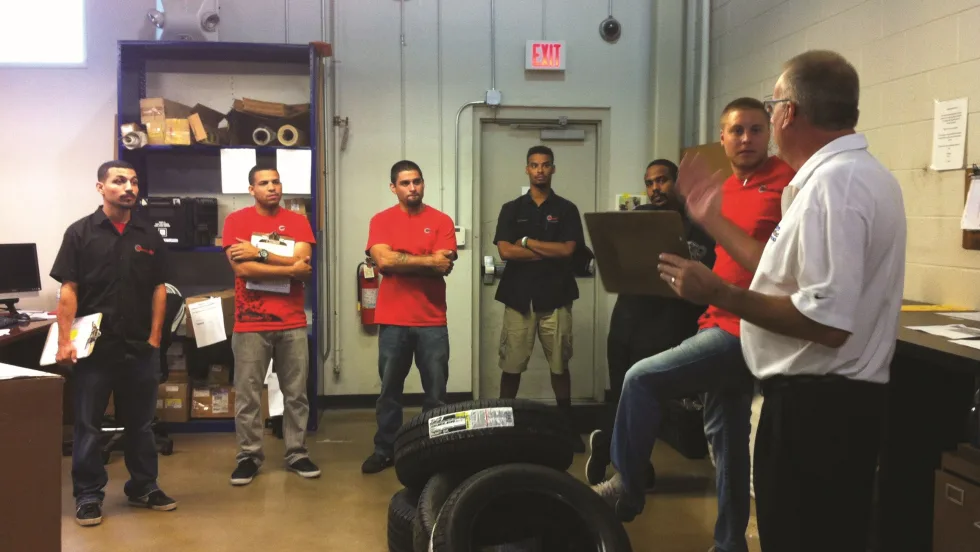
Developing Budget-Friendly Driver Safety Programs
From driver training and safety meetings to one-on-one coaching and incentive programs, several small fleets share how they have developed a safety culture with their drivers using low- to no-cost resources.
Read More →
Boosting Last-Mile Fleet Uptime, Safety, and Value with AI Vehicle Inspections
AI-powered inspections are transforming last-mile fleets by replacing manual checks with highly accurate automated scans that detect defects in seconds. By giving fleet operations visibility into the daily condition of their vehicles, you can identify trends over the vehicle’s lifecycle that enable improved procurement decisions, route management, driver training and accountability.
Read More →
Five Ways Seat Belts Help Prevent Injuries
There are five ways seat belts protect occupants from injuries, according to the Tennessee Department of Safety and Homeland Security.
Read More →
It’s here: The 2026 Fleet Technology Trends Report
What does AI mean for fleets? Get the answer — and learn other top tech trends.
Read More →
Small Fleets, Big Impact: How Independent Drivers Power Wreaths Across America
Check out how small fleets and independent drivers power Wreaths Across America each December and why their impact matters more than ever.
Read More →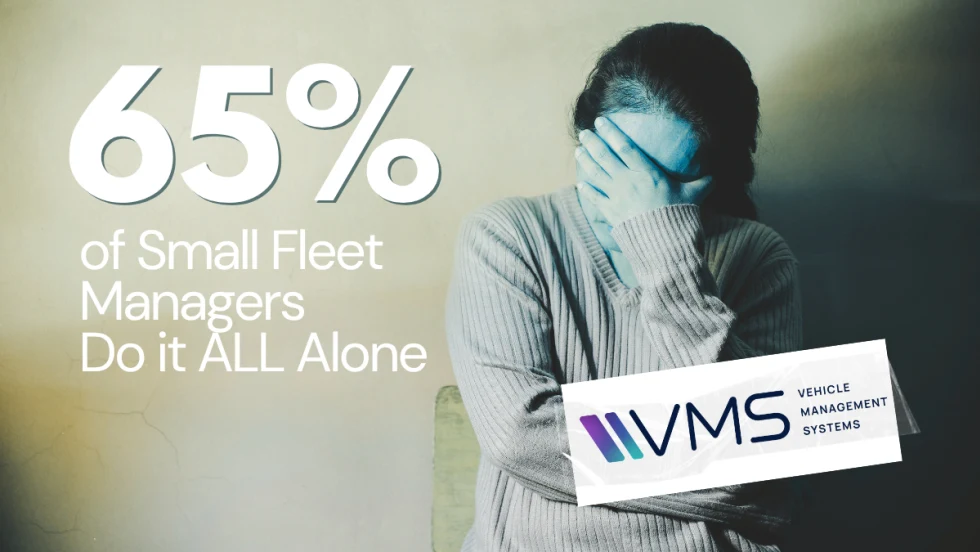
VMS Survey Finds 65% of Small Fleet Managers Run Operations Alone
A new VMS survey shows small fleet managers are stretched thin, with most handling operations solo and eager to adopt digital tools for relief.
Read More →
Tips for Driving Safely on Halloween Night
This video features a reminder from the Connecticut Department of Transportation (DOT) and the Connecticut Police Chiefs Association, urging drivers to prioritize safety this Halloween.
Read More →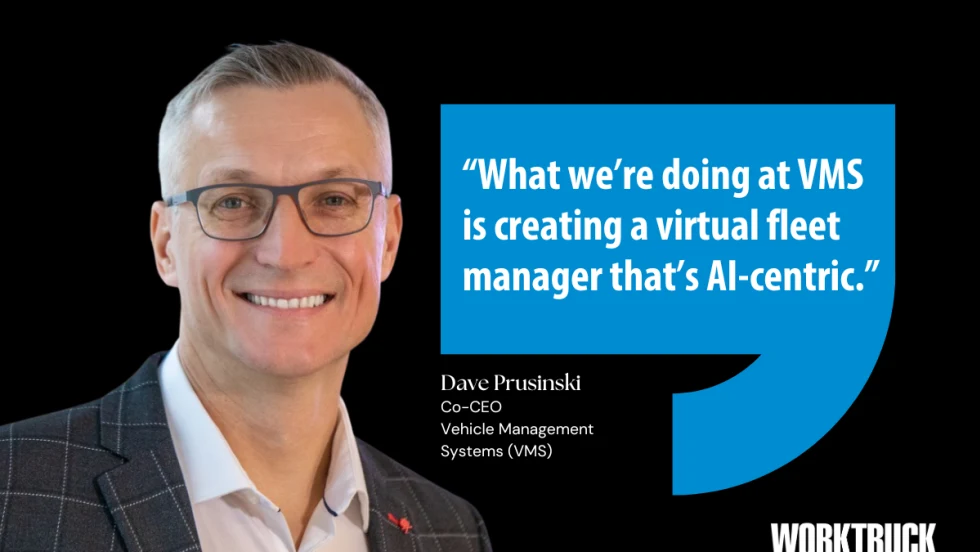
AI, Access, and Uptime: VMS’s Next Chapter with David Prusinski
VMS’s new Co-CEO, David Prusinski, shares how an AI-first approach will give small fleets and repair shops the tools to compete like big players.
Read More →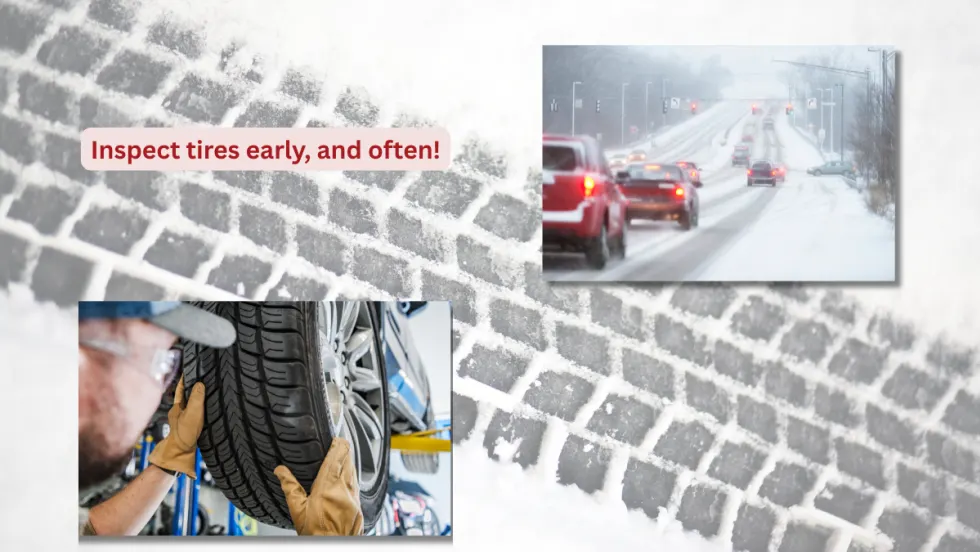
Fleet Managers Share Winter Prep Tips: It's Never Too Early!
Three fleets share best practices to prep vehicles for winter and prevent downtime when the cold sets in.
Read More →