




NHTSA Calls for Standardized Dashboard Symbols
According to a Reuters report, the United States government has proposed that all displays and control panel indicators inside new motor vehicles adhere to an internationally recognized set of symbols. Reuters said the National Highway Traffic Safety Administration (NHTSA) considered the change several years ago but retreated because of little public or industry support, but regulators now argue that standardizing warning lights and other display signals should be required because cars are more sophisticated than ever. "We tentatively conclude that requiring vehicle controls and displays to be consistently identified by means of an internationally recognized set of graphics in all vehicles would promote safety," the highway safety agency said in a regulatory filing, according to Reuters. The safety agency wants to include most vehicles in the new rule and also require that steering wheel and dashboard controls be located within easy reach of the driver while that person is wearing a seat belt, the report added. Some of these features include windshield wipers and switches that activate air conditioning and heating systems, Reuters said. According to the news agency, the Center for Auto Safety, an advocacy group, worried that drivers would not understand all international symbols, especially for brakes. Most brake warnings on U.S. vehicles illuminate a light that spells out "brake" while the international symbol is a brake drum and shoes, Reuters noted. "We recognize that some vehicle functions are easily represented by a symbol, such as the horn, while others may be more difficult to convey graphically. Nonetheless, the consistent and widespread use of even the less intuitive symbols generates understanding of their meanings," the traffic safety agency said, according to Reuters. The news agency’s report said regulators have proposed phasing in a new brake warning light over five years that would include the symbol and the word "brake."
More Small Fleet


Developing Budget-Friendly Driver Safety Programs
From driver training and safety meetings to one-on-one coaching and incentive programs, several small fleets share how they have developed a safety culture with their drivers using low- to no-cost resources.
Read More →
Boosting Last-Mile Fleet Uptime, Safety, and Value with AI Vehicle Inspections
AI-powered inspections are transforming last-mile fleets by replacing manual checks with highly accurate automated scans that detect defects in seconds. By giving fleet operations visibility into the daily condition of their vehicles, you can identify trends over the vehicle’s lifecycle that enable improved procurement decisions, route management, driver training and accountability.
Read More →

Five Ways Seat Belts Help Prevent Injuries
There are five ways seat belts protect occupants from injuries, according to the Tennessee Department of Safety and Homeland Security.
Read More →
Basic Tracking vs Next Generation Fleet Technology
Fleet software is getting more sophisticated and effective than ever, tying big data models together to transform maintenance, safety, and the value of your existing tech stack. Fleet technology upgrades are undoubtedly an investment, but updated technology can offer a much higher return. Read how upgrading your fleet technology can increase the return on your investment.
Read More →
It’s here: The 2026 Fleet Technology Trends Report
What does AI mean for fleets? Get the answer — and learn other top tech trends.
Read More →
Small Fleets, Big Impact: How Independent Drivers Power Wreaths Across America
Check out how small fleets and independent drivers power Wreaths Across America each December and why their impact matters more than ever.
Read More →
VMS Survey Finds 65% of Small Fleet Managers Run Operations Alone
A new VMS survey shows small fleet managers are stretched thin, with most handling operations solo and eager to adopt digital tools for relief.
Read More →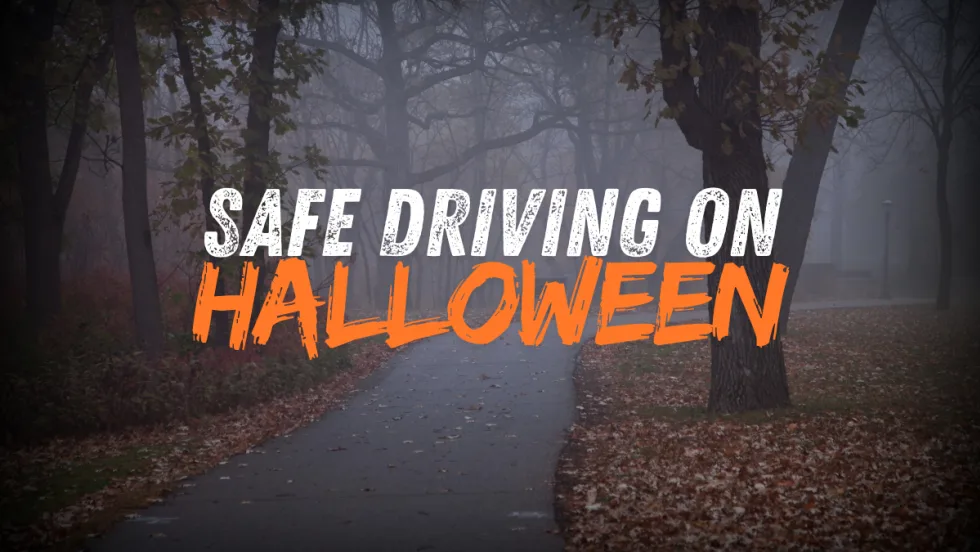
Tips for Driving Safely on Halloween Night
This video features a reminder from the Connecticut Department of Transportation (DOT) and the Connecticut Police Chiefs Association, urging drivers to prioritize safety this Halloween.
Read More →
AI, Access, and Uptime: VMS’s Next Chapter with David Prusinski
VMS’s new Co-CEO, David Prusinski, shares how an AI-first approach will give small fleets and repair shops the tools to compete like big players.
Read More →