




Newly-Launched Vehicles Don't Necessarily Have Quality Problems
According to the JD Power and Associates 2003 Initial Quality Study, new and redesigned model launches often demonstrate high initial quality, which may dispel the myth that quality suffers during new-vehicle launches. An analysis of all replacement-model launches and major vehicle redesigns since 1998 shows an average decline of only five problems per 100 vehicles (PP100) in initial quality in the launch year, which is usually more than regained in the year after launch. "Consumers often delay purchasing a model in its first year, waiting for the manufacturer to get the so-called bugs out," said JD Power executive director of quality/customer satisfaction Joe Ivers. "Yet, the quality of most new-model launches is actually very good. Some manufacturers have virtually eliminated the launch-year quality drop-off. A few have even demonstrated a pattern of launching models with better initial quality than the models they replaced." According to the study, launch-year initial quality for replacement models at Mitsubishi, for example, has averaged 26 PP100 better than predecessor models in recent years. Newly launched/redesigned vehicles from Hyundai, Toyota and the Chrysler Group also record better initial quality on average than the models being replaced. The study also finds that for the first time since 1998, the industry has not shown year-over-year improvement in initial quality overall, and remains flat at 133 PP100. Between 1998 and 2002, the industry achieved steady improvement, averaging 6.7 percent per year. "The initial quality drive for improvement among some manufacturers has been stalled by new-model launches that were especially challenging," said Ivers. "For other manufacturers, existing models show some deterioration that offset initial quality improvements elsewhere." However, several manufacturers have accomplished significant improvements in initial quality in 2003. Suzuki is the most improved nameplate, improving 31 percent over 2002, due largely to the successful launch of the all-new Aerio. Mercury, Kia and Jaguar also have improved by 22 percent, 21 percent and 14 percent, respectively. The study shows that Toyota is the highest-ranking corporation in the 2003 IQS, followed by Porsche, BMW and Honda. Lexus is the top-ranked nameplate. At the model level, Toyota vehicles rank highest in six segments, Ford vehicles rank highest in five, General Motors in three and Honda and DaimlerChrysler vehicles each rank highest in one segment. The study shows that the initial quality gap between domestic, European, Japanese and Korean brands continues to narrow. While domestics trailed their European and Japanese counterparts by at least 19 PP100 five years ago, domestics and Europeans are now equal, and both trail the Japanese by 9 PP100. Korean manufacturers have demonstrated substantial five-year improvements in initial quality. In 1998, 116 PP100 separated Korean brands from the Europeans, which led the industry. By 2003, the quality gap between the Koreans and the industry-leading Japanese fell to 26 PP100. The study also reveals that vehicles built by German and Japanese manufacturers in their native markets record higher average initial quality overall than those built in their North American plants. Vehicles produced in Germany by BMW, Mercedes-Benz and Volkswagen, and those produced in Japan by Honda, Mitsubishi, Nissan and Toyota demonstrated overall higher initial quality than the vehicles built by their North American plants. There are exceptions, such as vehicles produced by Acura, Mazda and Subaru in North American plants, which show higher quality than other vehicles built at their assembly plants in Japan. "It is important to note that often these manufacturers build different models in North America, and that some of these designs may be more difficult to build," said Ivers. "However, standardising quality regardless of the model, platform or plant is becoming a core requirement of a global competitor."
More Small Fleet

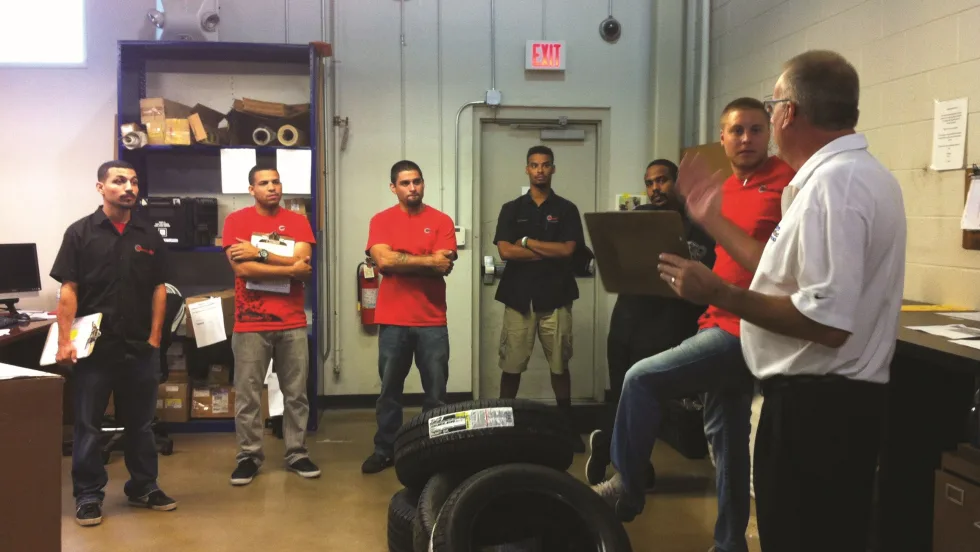
Developing Budget-Friendly Driver Safety Programs
From driver training and safety meetings to one-on-one coaching and incentive programs, several small fleets share how they have developed a safety culture with their drivers using low- to no-cost resources.
Read More →
Boosting Last-Mile Fleet Uptime, Safety, and Value with AI Vehicle Inspections
AI-powered inspections are transforming last-mile fleets by replacing manual checks with highly accurate automated scans that detect defects in seconds. By giving fleet operations visibility into the daily condition of their vehicles, you can identify trends over the vehicle’s lifecycle that enable improved procurement decisions, route management, driver training and accountability.
Read More →

Five Ways Seat Belts Help Prevent Injuries
There are five ways seat belts protect occupants from injuries, according to the Tennessee Department of Safety and Homeland Security.
Read More →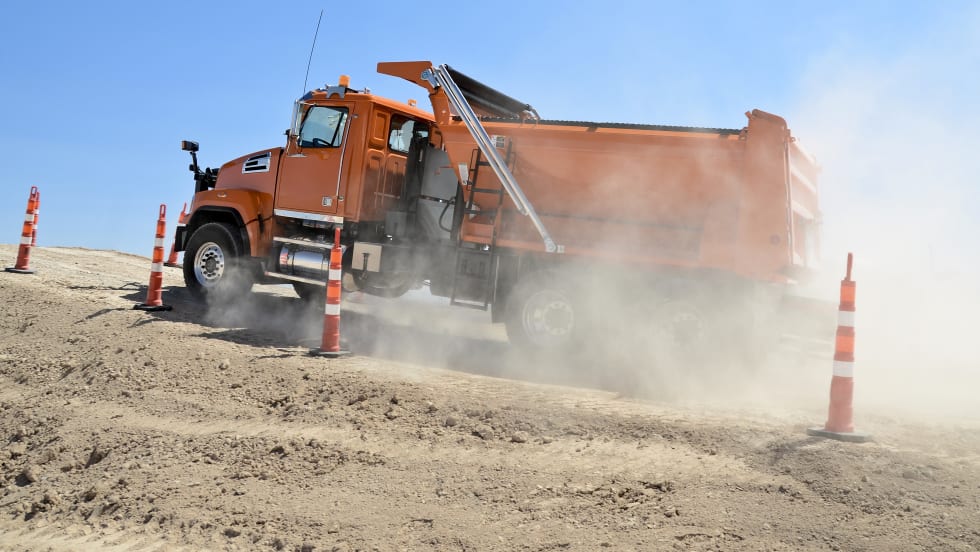
Basic Tracking vs Next Generation Fleet Technology
Fleet software is getting more sophisticated and effective than ever, tying big data models together to transform maintenance, safety, and the value of your existing tech stack. Fleet technology upgrades are undoubtedly an investment, but updated technology can offer a much higher return. Read how upgrading your fleet technology can increase the return on your investment.
Read More →
It’s here: The 2026 Fleet Technology Trends Report
What does AI mean for fleets? Get the answer — and learn other top tech trends.
Read More →
Small Fleets, Big Impact: How Independent Drivers Power Wreaths Across America
Check out how small fleets and independent drivers power Wreaths Across America each December and why their impact matters more than ever.
Read More →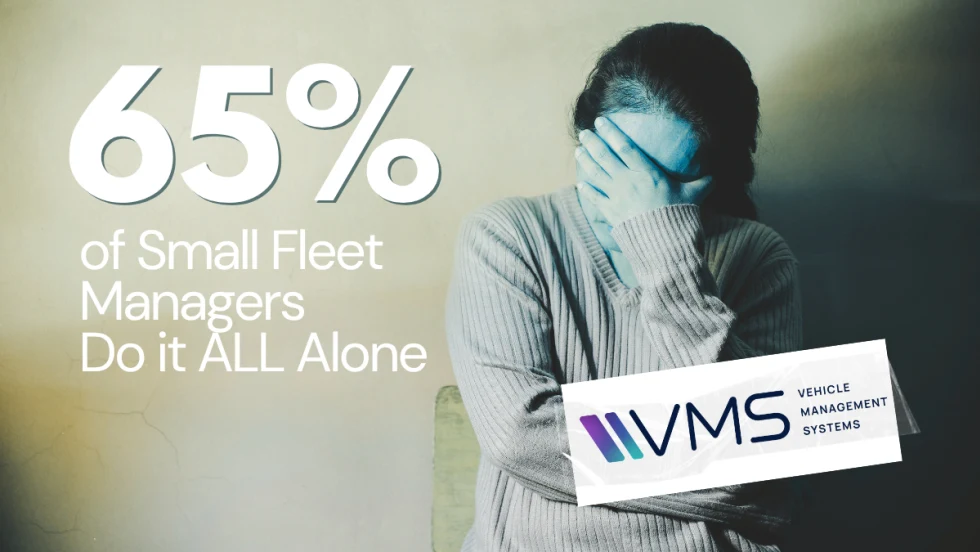
VMS Survey Finds 65% of Small Fleet Managers Run Operations Alone
A new VMS survey shows small fleet managers are stretched thin, with most handling operations solo and eager to adopt digital tools for relief.
Read More →
Tips for Driving Safely on Halloween Night
This video features a reminder from the Connecticut Department of Transportation (DOT) and the Connecticut Police Chiefs Association, urging drivers to prioritize safety this Halloween.
Read More →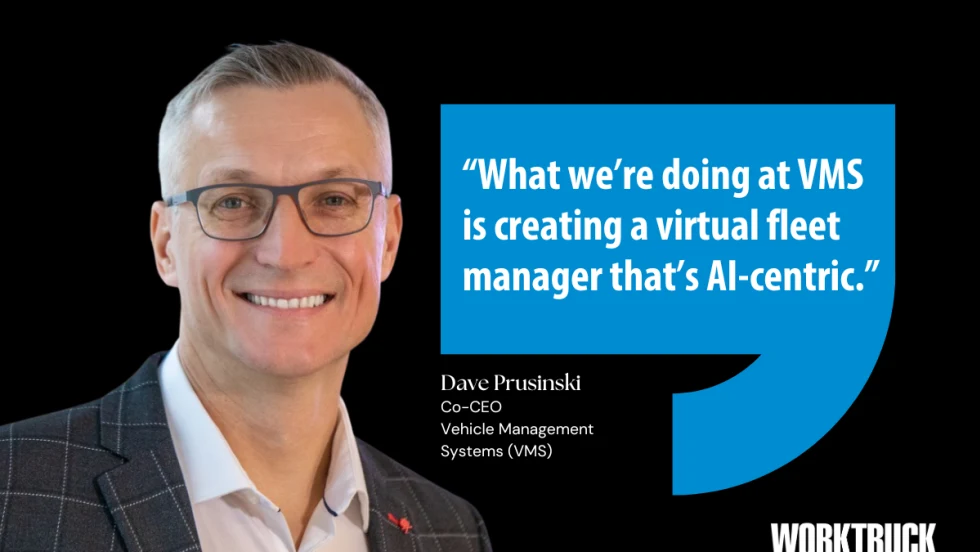
AI, Access, and Uptime: VMS’s Next Chapter with David Prusinski
VMS’s new Co-CEO, David Prusinski, shares how an AI-first approach will give small fleets and repair shops the tools to compete like big players.
Read More →