




New NHTSA Chief Vows to Be Tough
Calling the carnage on U.S. roads a public health "obscenity", the new top highway safety regulator warned the auto industry on Aug. 28 there would be no easing of safety enforcement and oversight by a pro-business Bush administration. Jeffrey Runge, the emergency-room doctor selected to lead the National Highway Traffic Safety Administration (NHTSA), said driver behavior was a key part of the safety equation but that he had support from the "highest levels" to get tough with manufacturers where necessary. "People should not assume there will be some kind of easing," Runge said in a meeting with reporters. Dr. Runge said he is prepared to propose additional safety rules for cars and trucks -- disappointing automakers who had hoped to gain regulatory relief under the Bush administration. "I'm not convinced that we have reached the pinnacle in terms of regulations for vehicle manufacturers," Runge said. The new NHTSA head said he was generally pro-business but that his role as the nation's top vehicle safety officer would guide his administrative priorities and management style. "If I make an error, it will be on the side of safety," he said. Runge said NHTSA will soon propose revised rules that require automakers make roofs more crush-proof in rollover accidents. Since starting as NHTSA administrator three weeks ago, Runge has declined to discuss specific enforcement issues such as the defect investigation of tyres made by Firestone, a unit of Japan's Bridgestone Corp. Firestone is refusing to recall additional tyres linked to fatal rollovers beyond the 6.5 million it voluntarily recalled last year, setting up a possible battle with NHTSA over a mandatory recall in the coming months. Speaking of recalls in general, Runge said he did not really care if they were voluntary or mandatory, as long as the defective product was removed from the market as quickly as possible. "If the industry won't step up when there are defects, then we'll issue a mandatory recall," Runge said. "We have the support from the very highest levels on that issue." On other safety matters, Runge said he personally had no problem with red light cameras, a technology condemned as "big brother" snooping by U.S. House Majority Leader Dick Armey. "I don't believe it infringes on one's personal freedom to be caught breaking the law," he said. "I'd like my teenager to be able to enter an intersection on a green light without having to be taken out by a near-side crash." However, the government's top auto-safety regulator said not enough research exists to justify regulating the use of cellular telephones and other high-technology gadgets in cars. Runge said he would rely on scientific research in deciding the validity of safety rules. Runge called for public pressure against driving under the influence of drugs and alcohol, and said people were "nuts" to drive without their seatbelts and then expect the car to "work magic" in an accident to protect them. He defended NHTSA's overall record and said critics who maintain the agency consistently sides with the auto industry were ignoring the gains in traffic safety over the last 20 years. Runge said he hopes to cut the road toll even further. "To have 41,000 dead each year is obscene; it doesn't have to be that way," he told reporters.
More Small Fleet


Developing Budget-Friendly Driver Safety Programs
From driver training and safety meetings to one-on-one coaching and incentive programs, several small fleets share how they have developed a safety culture with their drivers using low- to no-cost resources.
Read More →
Boosting Last-Mile Fleet Uptime, Safety, and Value with AI Vehicle Inspections
AI-powered inspections are transforming last-mile fleets by replacing manual checks with highly accurate automated scans that detect defects in seconds. By giving fleet operations visibility into the daily condition of their vehicles, you can identify trends over the vehicle’s lifecycle that enable improved procurement decisions, route management, driver training and accountability.
Read More →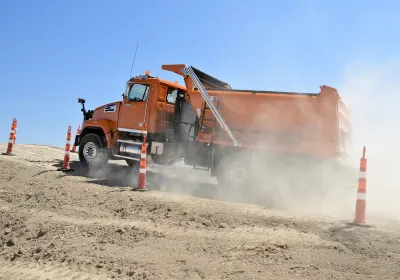

Five Ways Seat Belts Help Prevent Injuries
There are five ways seat belts protect occupants from injuries, according to the Tennessee Department of Safety and Homeland Security.
Read More →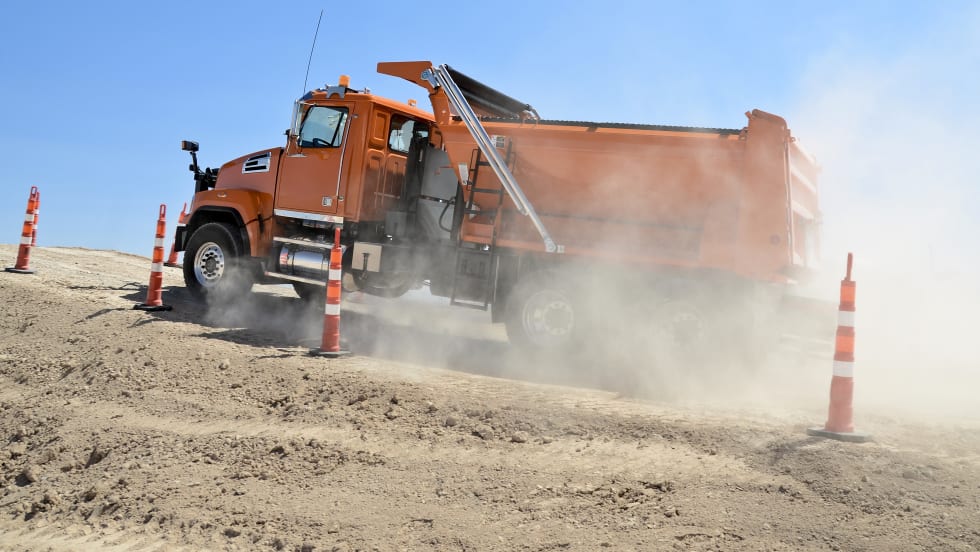
Basic Tracking vs Next Generation Fleet Technology
Fleet software is getting more sophisticated and effective than ever, tying big data models together to transform maintenance, safety, and the value of your existing tech stack. Fleet technology upgrades are undoubtedly an investment, but updated technology can offer a much higher return. Read how upgrading your fleet technology can increase the return on your investment.
Read More →
It’s here: The 2026 Fleet Technology Trends Report
What does AI mean for fleets? Get the answer — and learn other top tech trends.
Read More →
Small Fleets, Big Impact: How Independent Drivers Power Wreaths Across America
Check out how small fleets and independent drivers power Wreaths Across America each December and why their impact matters more than ever.
Read More →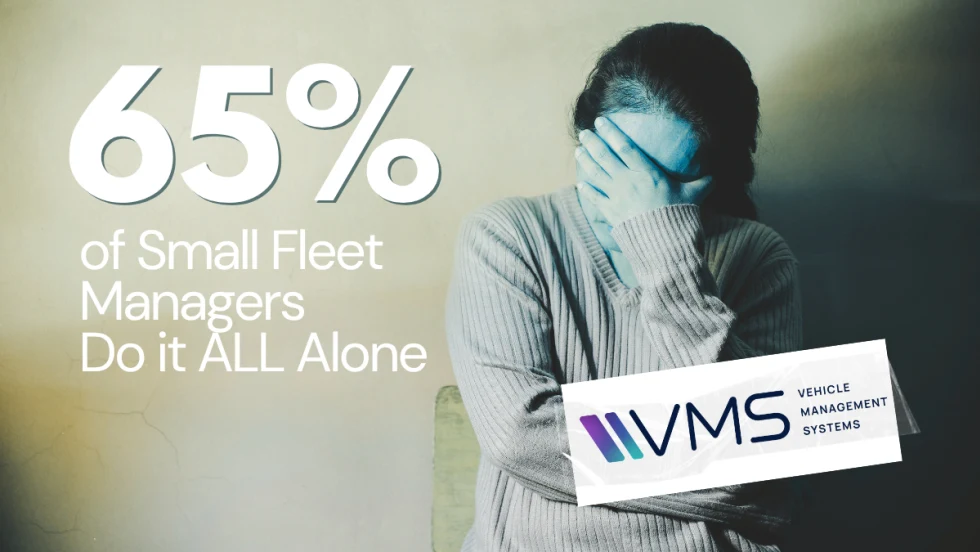
VMS Survey Finds 65% of Small Fleet Managers Run Operations Alone
A new VMS survey shows small fleet managers are stretched thin, with most handling operations solo and eager to adopt digital tools for relief.
Read More →
Tips for Driving Safely on Halloween Night
This video features a reminder from the Connecticut Department of Transportation (DOT) and the Connecticut Police Chiefs Association, urging drivers to prioritize safety this Halloween.
Read More →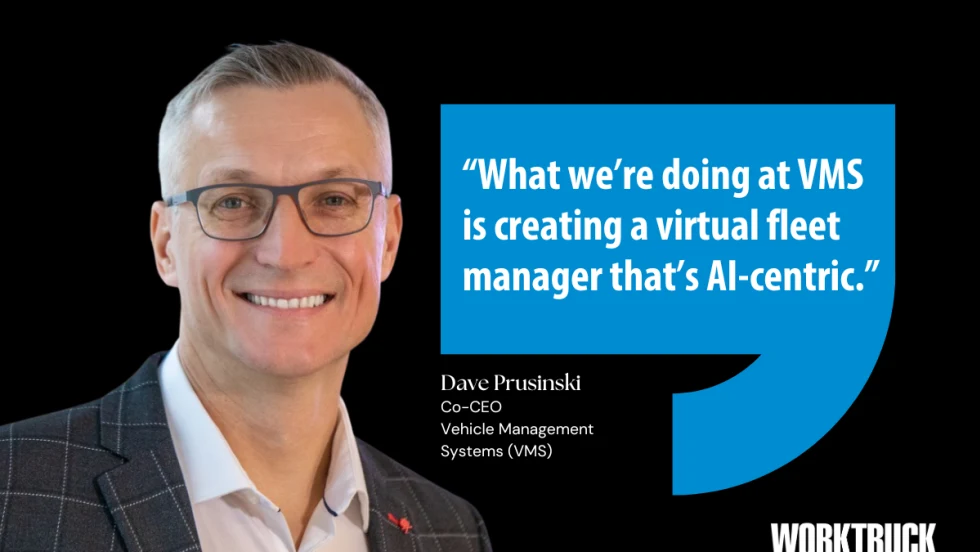
AI, Access, and Uptime: VMS’s Next Chapter with David Prusinski
VMS’s new Co-CEO, David Prusinski, shares how an AI-first approach will give small fleets and repair shops the tools to compete like big players.
Read More →