




New MPG Estimates to be Adjusted for 'Real World'
New MPG numbers may drop significantly due to new EPA testing procedures for 2008- and 2011-model vehicles
The EPA will announce new testing standards for the way it calculates fuel economy for new cars and trucks that is expected to knock down mileage for city driving in conventional cars 10 percent to 20 percent and in hybrids up to 30 percent, according to the Detroit Free Press. The new two-step process will begin with 2008 model-year vehicles, when new window stickers are expected to reflect lower mileage results by a set percentage to reflect the drain of air-conditioning and other accessories. The adjustment might reduce the results of city mileage by up to 13 percent. For cars and trucks built in the 2011 model year and beyond, the EPA will propose a larger change to testing that would add three tests currently used to measure emissions to the mileage standard tests, coming up with numbers that will likely be even lower than the previous figures. The new lab tests will involve measuring the vehicle’s emissions in cold weather, while running the air conditioner and under hard acceleration. The newly proposed testing procedures are in response to automakers and consumer advocates who have been calling for the EPA to revamp its tests, which were developed in the ‘70s, to reflect today’s faster highways and congested roads. After the proposed changes are announced, the EPA will have a 90-day public comment period before taking final action.
More Small Fleet


Developing Budget-Friendly Driver Safety Programs
From driver training and safety meetings to one-on-one coaching and incentive programs, several small fleets share how they have developed a safety culture with their drivers using low- to no-cost resources.
Read More →
Boosting Last-Mile Fleet Uptime, Safety, and Value with AI Vehicle Inspections
AI-powered inspections are transforming last-mile fleets by replacing manual checks with highly accurate automated scans that detect defects in seconds. By giving fleet operations visibility into the daily condition of their vehicles, you can identify trends over the vehicle’s lifecycle that enable improved procurement decisions, route management, driver training and accountability.
Read More →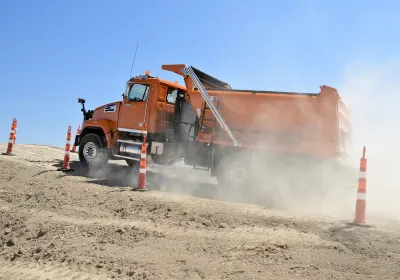

Five Ways Seat Belts Help Prevent Injuries
There are five ways seat belts protect occupants from injuries, according to the Tennessee Department of Safety and Homeland Security.
Read More →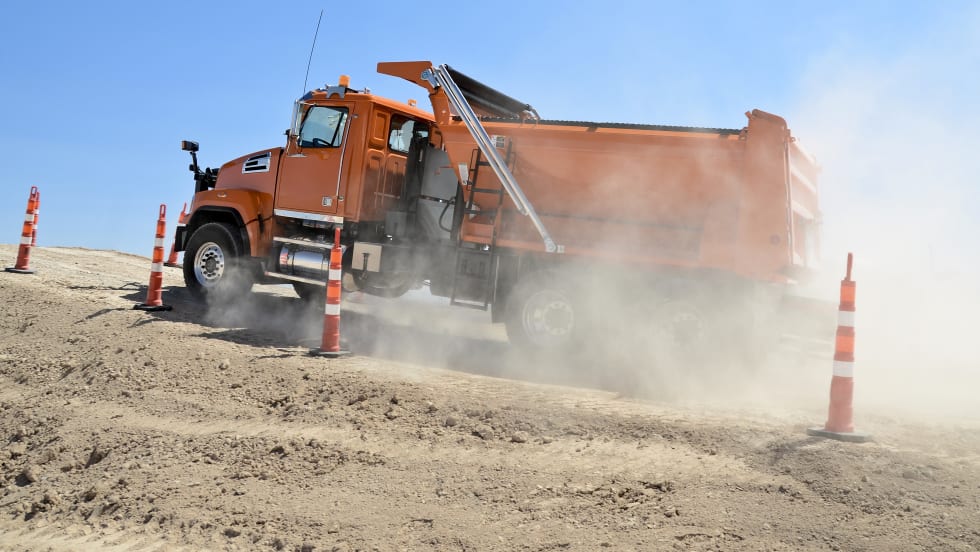
Basic Tracking vs Next Generation Fleet Technology
Fleet software is getting more sophisticated and effective than ever, tying big data models together to transform maintenance, safety, and the value of your existing tech stack. Fleet technology upgrades are undoubtedly an investment, but updated technology can offer a much higher return. Read how upgrading your fleet technology can increase the return on your investment.
Read More →
It’s here: The 2026 Fleet Technology Trends Report
What does AI mean for fleets? Get the answer — and learn other top tech trends.
Read More →
Small Fleets, Big Impact: How Independent Drivers Power Wreaths Across America
Check out how small fleets and independent drivers power Wreaths Across America each December and why their impact matters more than ever.
Read More →
VMS Survey Finds 65% of Small Fleet Managers Run Operations Alone
A new VMS survey shows small fleet managers are stretched thin, with most handling operations solo and eager to adopt digital tools for relief.
Read More →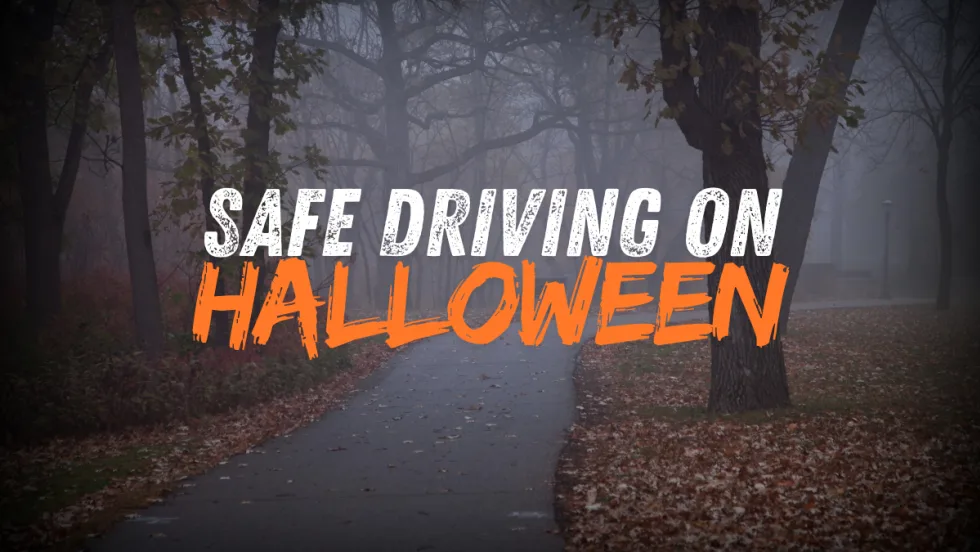
Tips for Driving Safely on Halloween Night
This video features a reminder from the Connecticut Department of Transportation (DOT) and the Connecticut Police Chiefs Association, urging drivers to prioritize safety this Halloween.
Read More →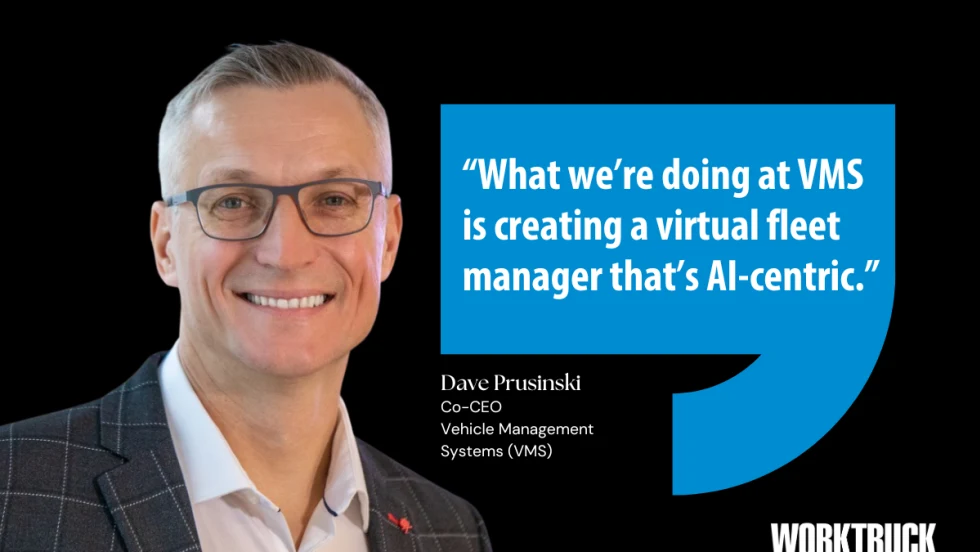
AI, Access, and Uptime: VMS’s Next Chapter with David Prusinski
VMS’s new Co-CEO, David Prusinski, shares how an AI-first approach will give small fleets and repair shops the tools to compete like big players.
Read More →