





Stay Prepared: How To Prepare Electric Vehicles for Winter Months
New Cox Automotive EV Battery Health Tool
Cox Automotive's new mobile EV battery health tool for scoring and diagnostics will launch at 10 Manheim locations across the U.S.
January 23, 2023

Cox Automotive’s mobile Battery Health tool evaluates each vehicle and provides VIN-specific information.
Photo: Work Truck
4 min to read
Cox Automotive announced the next phase of its approach to EV Battery Health scoring and diagnostics.
The approach aims to help optimize EV batteries for new and used electric vehicles (EVs) with its VIN-specific battery grading system.
The pilot of Cox Automotive’s EV Battery Health mobile app and Bluetooth dongle will launch at 10 Manheim locations across the U.S. — Pennsylvania, Southern California, San Francisco, Riverside, Nevada, Dallas, Phoenix, Seattle, Nashville, and Portland.
“We take pride in our EV battery diagnostic tool and grading system, and the benefits it brings the secondary vehicle market as an independent third-party standard for EV battery health are unmatched in the industry,” said Lea Malloy, AVP of EV Battery Solutions, Cox Automotive Mobility.
“The battery pack is the single most expensive part of an EV, accounting for 30-40% of the total cost of the vehicle. With the anticipated influx of used EVs entering the market, our battery health score will help create confidence and transparency at the point of sale.”
VIN-specific EV Battery Health Score
Unlike the grading systems of other EV battery diagnostic tools, which provide a general battery estimate based on make and model, Cox Automotive’s mobile Battery Health tool directly evaluates each vehicle and provides VIN-specific information, which is vital in capturing accurate information around the health of the battery.
The tool measures current battery condition, historical battery data (times, temperatures, and types of charges), and performance, which the company’s patented health algorithm then uses to produce a VIN-specific battery score ranging from 1-5.
That score, along with information on the battery’s current estimated range will be included in the EV Battery Health Report.
“To meet the future growth of EVs at our Manheim locations, we have been investing in an infrastructure to service and support our clients’ future EV battery needs,” said Grace Huang, President of Cox Automotive Inventory Solutions. “Creating a trusted battery health score supports our efforts to build an industry standard for battery health, while delivering the type of vehicle information clients require.”
Cox Automotive’s Battery Health score addresses three of the top five barriers to EV adoption among non-considerers, including consumers’ concerns about low mileage range (40%), the cost of battery replacements (35%), and batteries not holding their charge (30%).
Furthermore, most EV Considerers (81%) would consider a used EV at 90% (or 10% degradation) capacity with a battery health certificate.
The battery pack is the single most expensive part of an EV, accounting for 30-40% of the total cost of the vehicle.
This makes providing a VIN-specific battery health score a vital component to providing accurate used vehicle valuations. Cox Automotive’s current data sample of battery health metrics collected from Manheim, which includes more than 1,200 vehicle tests, confirmed the following:
Most, but not all, EV batteries are built to last. The average used battery health score reported was high, with an average score of 4.6. However, as batteries age, the number of outliers increase, highlighting the importance of evaluating each individual vehicle.
The higher the battery health score, the higher the transaction price. The average vehicle sales price increased by 1-4% (or 2.4% on average) when earning a higher battery health score.
Mileage is less relevant with EVs. There was an inconsistent correlation between a battery health score and mileage on the vehicle’s odometer.
Cox Automotive also has other projects with the goal of reducing greenhouse emissions. In 2022, it announced it will:
Open an advanced electric vehicle training center for fleet technicians.
Expand its mobile charging services nationwide.
Modernized fleet and refurbishment services.
EV Battery Health Tool for Work Trucks
When it comes to using the Cox Automotive for work truck fleets, Stephanie Valdez-Streaty, director of Mobility Research & Development, said "Providing fleet managers the ability to monitor EV battery health will be important. Fleet managers can utilize battery health to manage and maintain their electric fleets."
Valdez-Streaty also states fleet managers can get the potenial insights of thier batter health:
Driver behavior's impact on battery health.
Charging recommendations.
Valuation.
Infleeting/defleeting opportunities.
As for the size of the work truck fleet, small or large, Valdez-Streaty said, "The fleet size won’t prevent the ability to use the battery health tool. The more vehicles tested will provide greater insights."
Editor's Note: This article was edited on January 25, 2023, to add Cox Mobile's Director of Mobility Research & Development Stephanie Valdez-Streaty's interview quotes.
More Green Fleet

Fleet Forward Conference Introduces One-Day Passes for 2026
New one-day registration gives fleet professionals the flexibility to attend Tuesday, Wednesday, or Thursday, with passes available for $199 through Sept. 18.
Read More →
CALSTART Rebrands as Catalyst Mobility, Will Combine with Forth in 2027
CALSTART has rebranded as Catalyst Mobility and will combine with Forth at the start of 2027. The new organization said it is poised to become one of the world's largest, strongest, and most impactful clean transportation nonprofits.
Read More →
Electric Truck and Charging Programs to Boost Sustainability at NY & NJ Ports
Together, the Port Authority of New York and New Jersey and CALSTART will electrify drayage and terminal operations serving the East Coast’s busiest container port. A pair of incentive programs totaling $45 million has launched to accelerate adoption of zero-emission drayage trucks and terminal tractors.
Read More →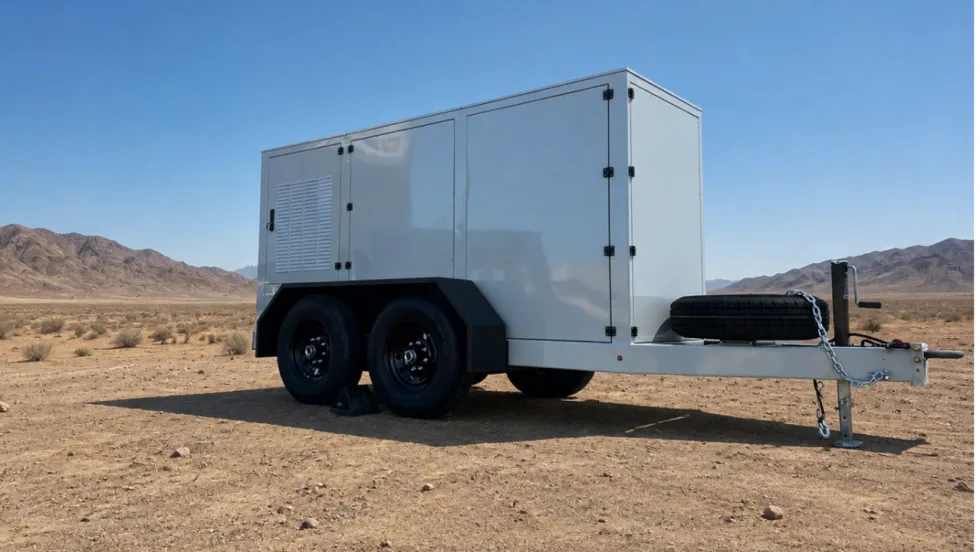
Xos Hub Surpasses One Gigawatt-Hour of Energy Delivered in the Field
A single Xos Hub has surpassed one gigawatt-hour of energy across more than 33,600 charging sessions in the field, demonstrating performance that supports Xos' expansion across new products and markets.
Read More →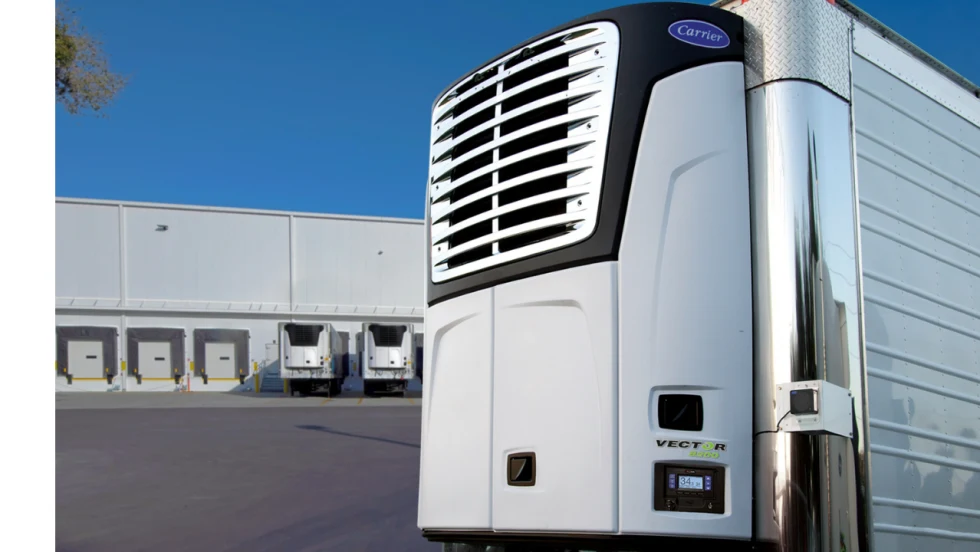
Carrier Transicold Launches All-Electric Vector 8200 TRU for Diesel-Free On-Site Cold Storage
Carrier Transicold’s first engineless multi-temperature TRU helps fresh- and frozen-food fleets add supplemental cold storage capacity during seasonal peaks.
Read More →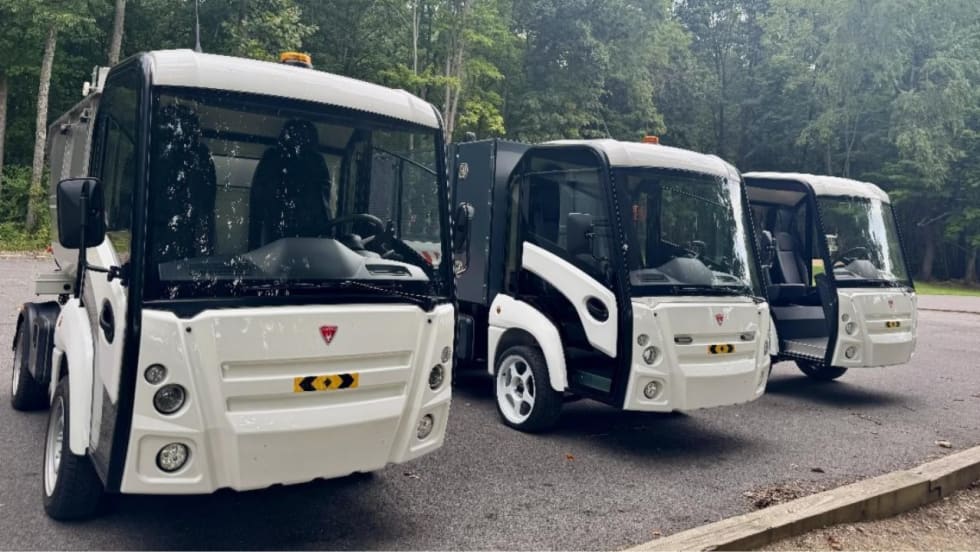
Narro Trucks Introduces Electric Utility Vehicle
Narro Trucks officially launched its operations on Aug. 20 and hosted a ride and drive to showcase its electric truck, which will be produced in Virginia.
Read More →
Samsung SDI Takes Full Control of GM Battery JV as Indiana Plant Pivots to Energy Storage
Samsung SDI is taking full control of its Indiana battery plant with GM, marking a major shift from the EV-focused joint venture Charged Fleet first covered in 2023.
Read More →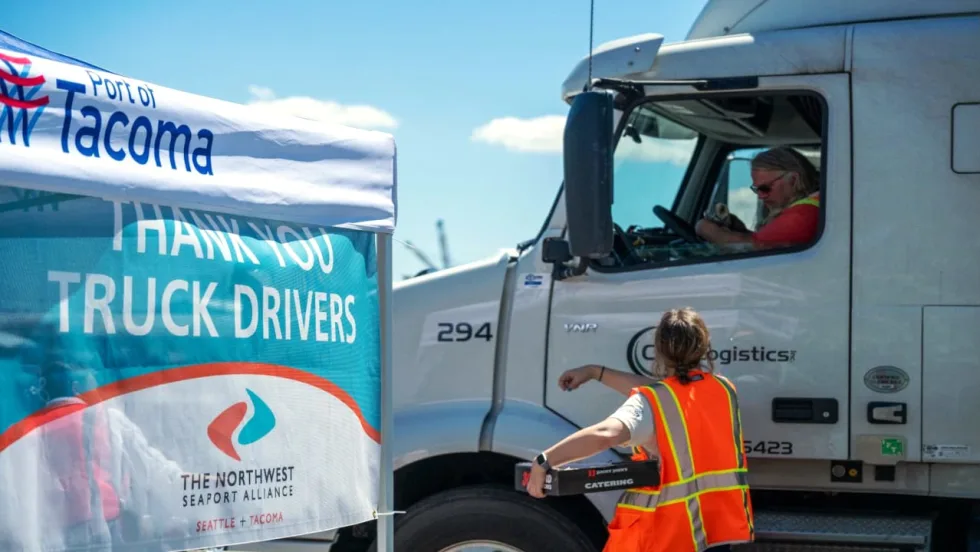
NWSA Taps CALSTART to Administer Zero-Emission Drayage Assistance Program
CALSTART will provide free technical assistance services to drayage fleets serving the Ports of Seattle and Tacoma and looking to transition to cleaner technologies and help decarbonize freight hubs.
Read More →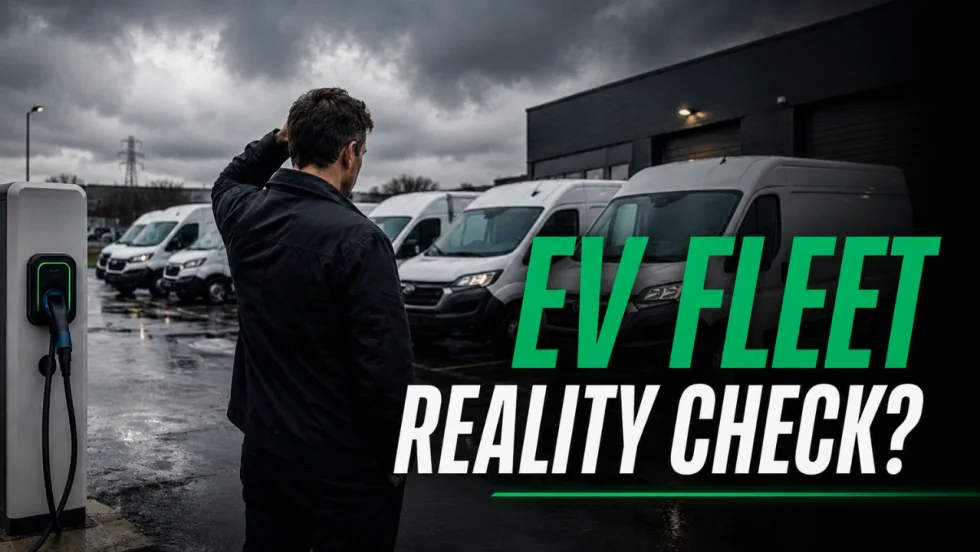
EV Fleet Reality Check: What Operators Wish They Knew Before Electrifying Their Work Vans
Electric work truck upfits bring new compatibility questions. Learn how parts availability, OEM guidance, power demands, and route planning can affect fleet performance.
Read More →
Peterbilt Expands Sourcewell Partnership with Electric Vehicle Lineup
Peterbilt Motors Company’s cooperative purchasing agreement with Sourcewell and its Canadian partner, Canoe Procurement Group, now includes including Peterbilt's battery-electric vehicle lineup.
Read More →