





Buying EVs? Truck Dealers Prepare for Fleet Electrification
New Commercial Electric Vehicle Innovation Hub in Illinois
TCCI's groundbreaking EV Innovation Hub in Illinois pioneers electric compressor manufacturing and advanced research, propelling clean energy growth.
August 11, 2023

The new EV Innovation Hub ", will pioneer the manufacturing of Made-In-America electric compressors and house the cutting-edge Climatic Center for Innovation and Research."
Photo: TCCI
4 min to read
Governor JB Pritzker, in collaboration with TCCI (Thermal Components and Compressor Inc.), Richland Community College, and the Illinois Department of Commerce and Economic Opportunity (DCEO), marked a groundbreaking moment for Illinois' clean energy future with the commencement of TCCI's state-of-the-art electric vehicle (EV) Innovation Hub in Decatur.
TCCI, a provider of electric compressors for commercial, heavy-duty, and automotive specialty markets, is set to transform the landscape of electric vehicle manufacturing in the heart of Illinois.
A Step Towards American-Made Electric Compressors and Research Excellence
The innovative EV Innovation Hub, an integral part of the state's rapidly expanding EV ecosystem, will "pioneer the manufacturing of Made-In-America electric compressors and house the cutting-edge Climatic Center for Innovation and Research," according to a company release.
Governor JB Pritzker highlighted the impact of this venture on Illinois' growing clean energy and EV industries, positioning the state as a prime destination for investment.
"This new hub represents a bold stride towards the electrification of vehicles in the U.S., bolstered by our commitment to innovation and a skilled workforce," said Governor Pritzker. "Illinois is ready to lead, creating high-wage, skilled jobs and reinforcing our status as a manufacturing powerhouse."
Investment in Local Communities and Workforce Development
The groundbreaking ceremony signifies more than just a manufacturing facility. The State of Illinois' Reimagining Energy and Vehicles in Illinois (REV Illinois) incentive package, coupled with $21.3 million in capital grants to the City of Decatur and Richland Community College, underscores the comprehensive nature of this initiative.
These funds will help establish the first-of-its-kind Climatic Center for Innovation and Research and the EV + Energy Workforce Training Academy, vital components in developing a skilled workforce and fostering local economic growth.
In partnership with Richland Community College, the EV + Energy Workforce Training Academy will play a pivotal role in preparing students for careers in the electrified transportation industry and clean energy sector. Through articulation agreements with leading universities, students will have a seamless transition to pursue higher education, ensuring accessibility and affordability in these innovative fields.
"Investing in education and industry collaboration, we're creating a robust pipeline of skilled workers for critical STEM career paths," emphasized Richland Community College President Cris Valdez. "The EV + Energy Workforce Training Academy will empower our workforce to excel in the burgeoning fields of climate technology, electric vehicle manufacturing, and related energy and agriculture sectors."
Pioneering Research and Development at the Climatic Center for Innovation and Research
At the heart of the EV Innovation Hub lies the Climatic Center for Innovation and Research (CCIR), a state-of-the-art facility designed specifically for electric vehicles. With unparalleled climatic testing capabilities, the CCIR ensures that EVs can operate efficiently in diverse environmental conditions, substantially boosting the EV industry.
The CCIR's features include:
a 65-foot x 25-foot climatic chamber capable of accommodating heavy-duty and oversized vehicles.
a DC Fast charger.
a range of testing capabilities for solar, humidity, and ambient temperatures as extreme as minus 30 degrees to plus 130 degrees Fahrenheit.
It is positioned to be one of the few publicly available three-axle, EPA-Certified, electric chassis dynamometers, making it a crucial asset for EV research.
"The Climatic Center for Innovation and Research is the epitome of our commitment to pushing the boundaries of EV technology. This facility is essential for ensuring the resilience and performance of EVs in a wide range of environmental conditions," emphasized TCCI President Richard Demirjian. "Decatur, with its long history of compressor production, is poised to become a global leader in driving the electrification of the transportation sector."
A Bright Future for Illinois and the EV Industry
With production set to commence in the third quarter of 2024, the EV Innovation Hub at Decatur's TCCI location will contribute significantly to solidifying Illinois' position as a manufacturing leader and expanding the EV Innovation Cluster in central Illinois.
The combined efforts of government, industry, and educational institutions promise to create a dynamic ecosystem that will drive economic growth, innovation, and clean energy technology advancement.
"The EV Innovation Hub's impact on our state's clean energy revolution will be transformative. We're excited to see the potential it holds for educational opportunity, research excellence, and workforce development," said University of Illinois Chancellor Robert Jones. "The University of Illinois Urbana-Champaign is proud to partner in this bright future, propelling Illinois to the forefront of clean energy and transportation."
More Green Fleet

Fleet Forward Conference Introduces One-Day Passes for 2026
New one-day registration gives fleet professionals the flexibility to attend Tuesday, Wednesday, or Thursday, with passes available for $199 through Sept. 18.
Read More →
CALSTART Rebrands as Catalyst Mobility, Will Combine with Forth in 2027
CALSTART has rebranded as Catalyst Mobility and will combine with Forth at the start of 2027. The new organization said it is poised to become one of the world's largest, strongest, and most impactful clean transportation nonprofits.
Read More →
Electric Truck and Charging Programs to Boost Sustainability at NY & NJ Ports
Together, the Port Authority of New York and New Jersey and CALSTART will electrify drayage and terminal operations serving the East Coast’s busiest container port. A pair of incentive programs totaling $45 million has launched to accelerate adoption of zero-emission drayage trucks and terminal tractors.
Read More →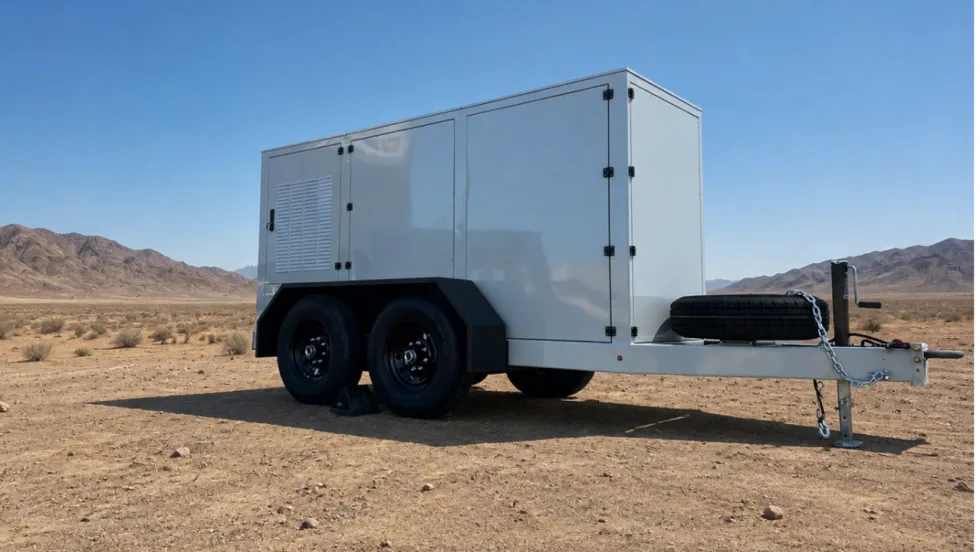
Xos Hub Surpasses One Gigawatt-Hour of Energy Delivered in the Field
A single Xos Hub has surpassed one gigawatt-hour of energy across more than 33,600 charging sessions in the field, demonstrating performance that supports Xos' expansion across new products and markets.
Read More →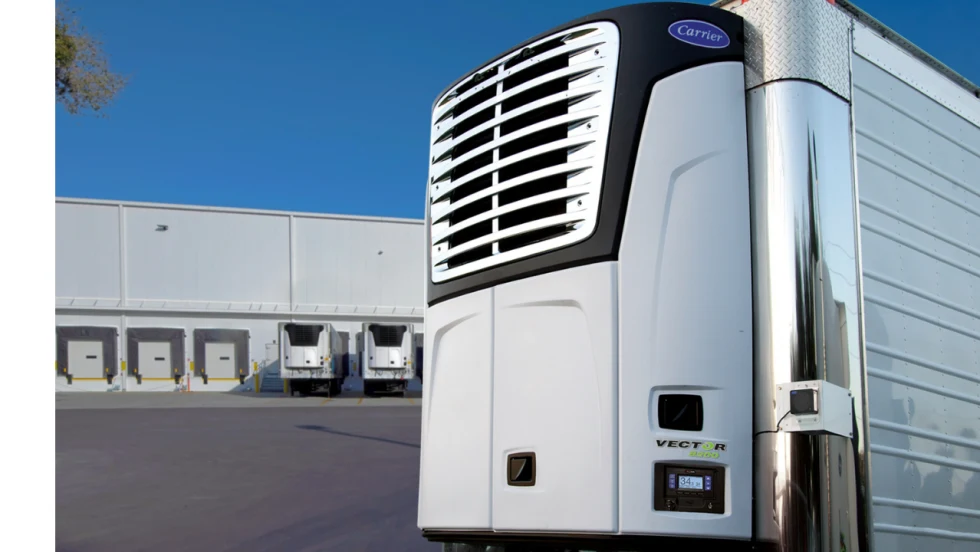
Carrier Transicold Launches All-Electric Vector 8200 TRU for Diesel-Free On-Site Cold Storage
Carrier Transicold’s first engineless multi-temperature TRU helps fresh- and frozen-food fleets add supplemental cold storage capacity during seasonal peaks.
Read More →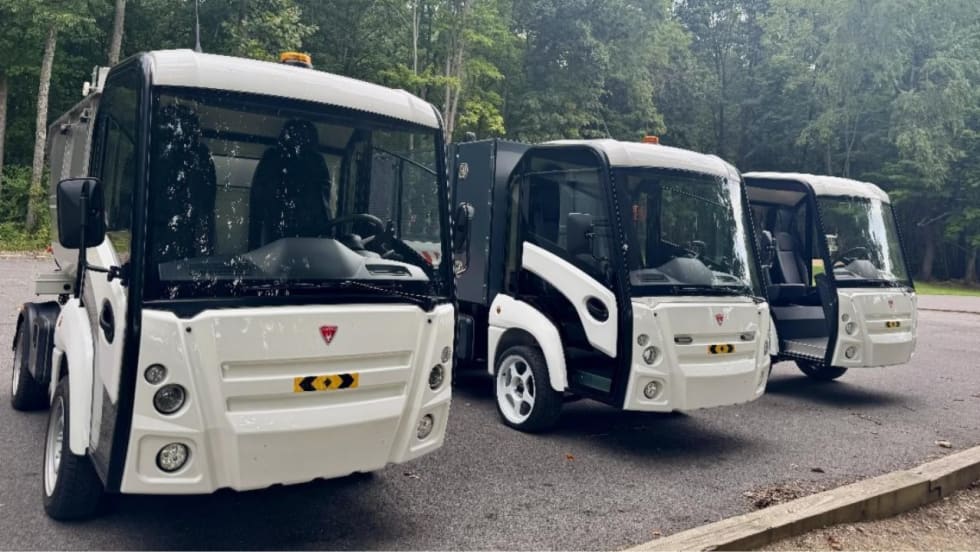
Narro Trucks Introduces Electric Utility Vehicle
Narro Trucks officially launched its operations on Aug. 20 and hosted a ride and drive to showcase its electric truck, which will be produced in Virginia.
Read More →
Samsung SDI Takes Full Control of GM Battery JV as Indiana Plant Pivots to Energy Storage
Samsung SDI is taking full control of its Indiana battery plant with GM, marking a major shift from the EV-focused joint venture Charged Fleet first covered in 2023.
Read More →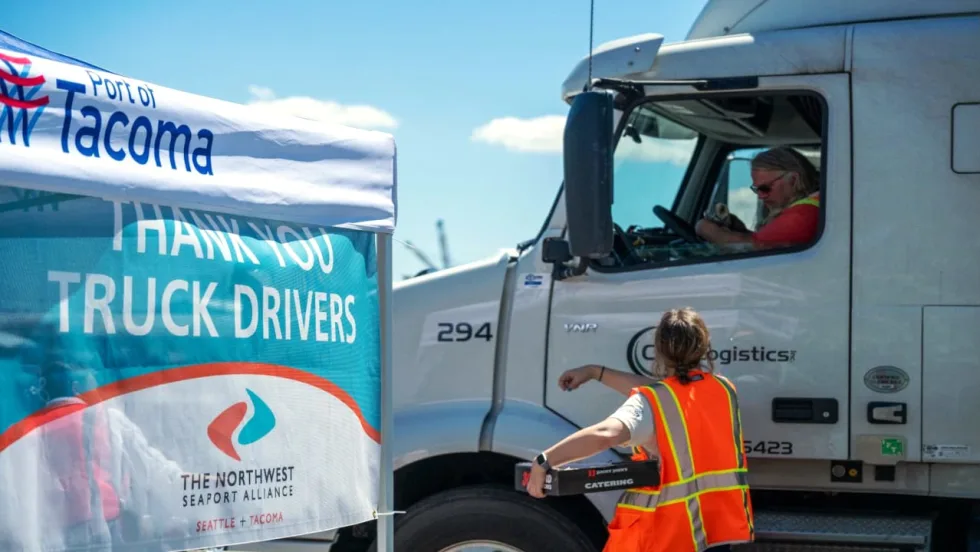
NWSA Taps CALSTART to Administer Zero-Emission Drayage Assistance Program
CALSTART will provide free technical assistance services to drayage fleets serving the Ports of Seattle and Tacoma and looking to transition to cleaner technologies and help decarbonize freight hubs.
Read More →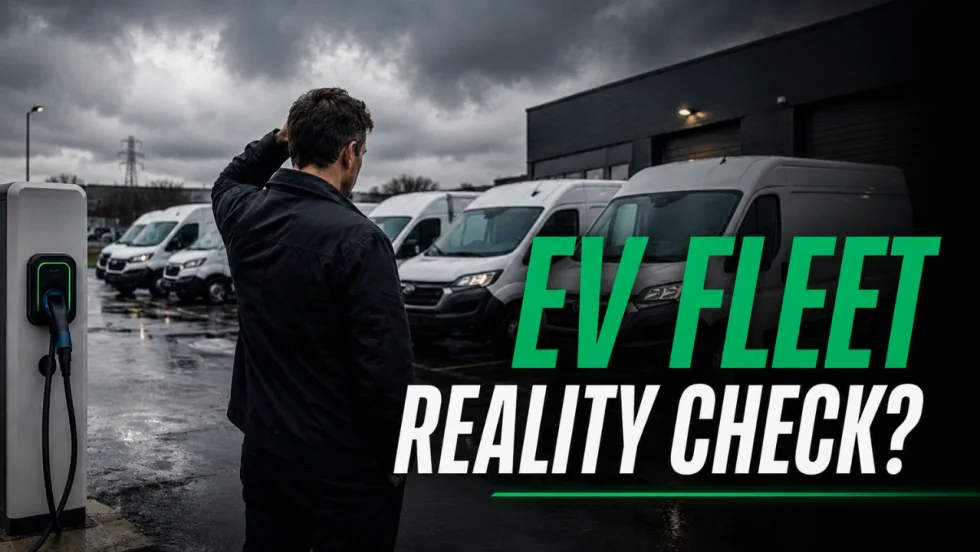
EV Fleet Reality Check: What Operators Wish They Knew Before Electrifying Their Work Vans
Electric work truck upfits bring new compatibility questions. Learn how parts availability, OEM guidance, power demands, and route planning can affect fleet performance.
Read More →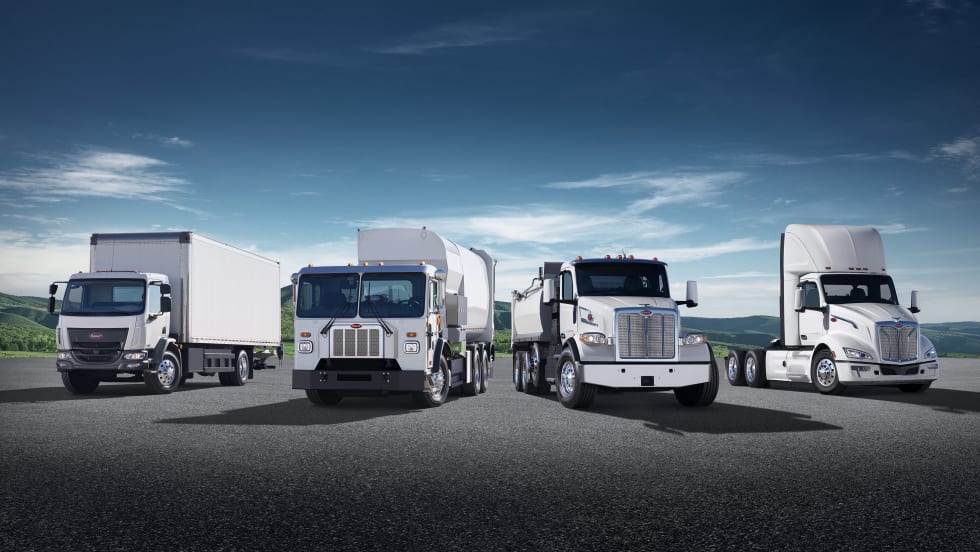
Peterbilt Expands Sourcewell Partnership with Electric Vehicle Lineup
Peterbilt Motors Company’s cooperative purchasing agreement with Sourcewell and its Canadian partner, Canoe Procurement Group, now includes including Peterbilt's battery-electric vehicle lineup.
Read More →