




NATSO Denounces Pro-Commercialization Provision in Administration's Highway Bill
The Bush administration is seeking to commercialize rest areas around the country, according to an advance copy of its proposed highway reauthorization bill obtained by NATSO. According to NATSO, the legislation would allow states to conduct rest area commercialization pilot projects. The administration’s language indicates that the plan “helps implement the strategies developed in the ‘Study of Adequacy of Parking Facilities.’” When submitting their pilot project proposal, states must include an action plan for addressing commercial truck parking shortages. NATSO President & CEO William D. Fay condemned the proposal, stating, “NATSO will fight against this anti-business, anti-trucking, anti-community provision and lead a coalition campaign to ensure its defeat.” “History has shown that the plan will close down many of the established businesses on the Interstate Highway System,” Fay added. “Should this proposal become law, it will devastate business owners who have invested in communities throughout the U.S.” NATSO reported that in 1997, University of Maryland researchers documented that interchange businesses would lose between 60-70 percent of sales if Interstate commercialization were to occur. Instead of choosing to stop at an interchange business, most motorists opt instead to use the commercialized rest area on the shoulder of the road. While the state might make more money, the tax base of local governments would shrink. “When the Interstate Highway System was created in 1956, community leaders feared that local businesses, jobs, and their tax base would dry up as motorists and truckers bypassed their cities and towns. In response, Congress banned development on the Interstates themselves. Forty-seven years later, we can see the wisdom of that decision to protect communities. Over 60,000 businesses have sprung up at interchanges across America, serving the needs of highway users and providing jobs and taxes for counties, cities, and towns,” Fay said. Fay also noted that, although the administration is seeking to add parking by supporting rest area commercialization, its proposal would actually have the opposite effect. “Rest area commercialization will actually decrease – not increase – the number of available parking spaces,” he stated. “Truckstops and travel plazas at the interchanges provide 90 percent of this nation’s truck parking. Rest area commercialization will close down many of these businesses, which in turn would create a severe truck parking shortage.” Fay noted that the American Trucking Associations and many other groups have historically opposed rest area commercialization. “This proposal is particularly ill-conceived at a time when lawmakers are seeking ways to stimulate business growth and development to help our economy,” he added. The full text of the pro-commercialization provision is available on our Web site. “It is now more important than ever before to attend NATSO’s Government Affairs Conference, May 5-7, 2003, in Washington, D.C.,” Fay noted. “This is our number one venue to voice industry concerns about the devastating impact of this provision.”
More Small Fleet


Developing Budget-Friendly Driver Safety Programs
From driver training and safety meetings to one-on-one coaching and incentive programs, several small fleets share how they have developed a safety culture with their drivers using low- to no-cost resources.
Read More →
Boosting Last-Mile Fleet Uptime, Safety, and Value with AI Vehicle Inspections
AI-powered inspections are transforming last-mile fleets by replacing manual checks with highly accurate automated scans that detect defects in seconds. By giving fleet operations visibility into the daily condition of their vehicles, you can identify trends over the vehicle’s lifecycle that enable improved procurement decisions, route management, driver training and accountability.
Read More →

Five Ways Seat Belts Help Prevent Injuries
There are five ways seat belts protect occupants from injuries, according to the Tennessee Department of Safety and Homeland Security.
Read More →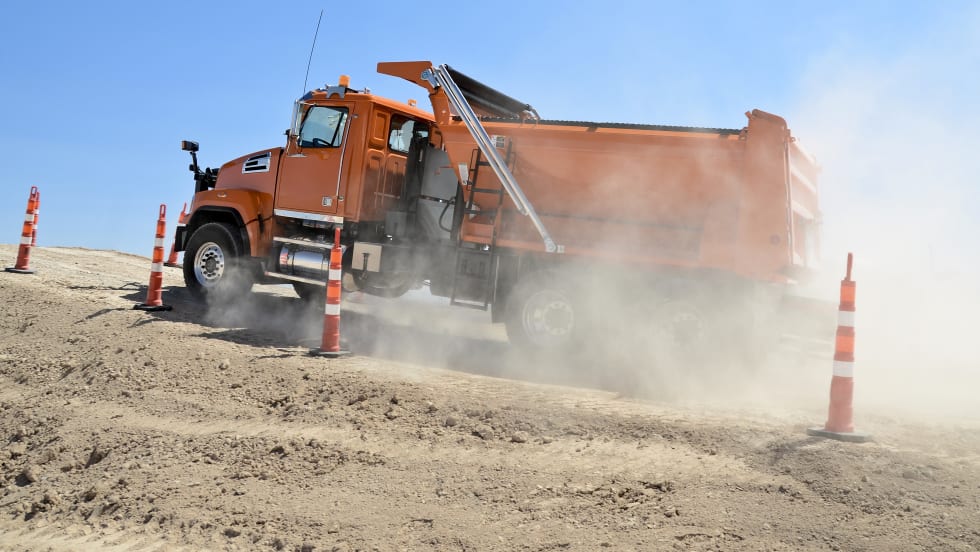
Basic Tracking vs Next Generation Fleet Technology
Fleet software is getting more sophisticated and effective than ever, tying big data models together to transform maintenance, safety, and the value of your existing tech stack. Fleet technology upgrades are undoubtedly an investment, but updated technology can offer a much higher return. Read how upgrading your fleet technology can increase the return on your investment.
Read More →
It’s here: The 2026 Fleet Technology Trends Report
What does AI mean for fleets? Get the answer — and learn other top tech trends.
Read More →
Small Fleets, Big Impact: How Independent Drivers Power Wreaths Across America
Check out how small fleets and independent drivers power Wreaths Across America each December and why their impact matters more than ever.
Read More →
VMS Survey Finds 65% of Small Fleet Managers Run Operations Alone
A new VMS survey shows small fleet managers are stretched thin, with most handling operations solo and eager to adopt digital tools for relief.
Read More →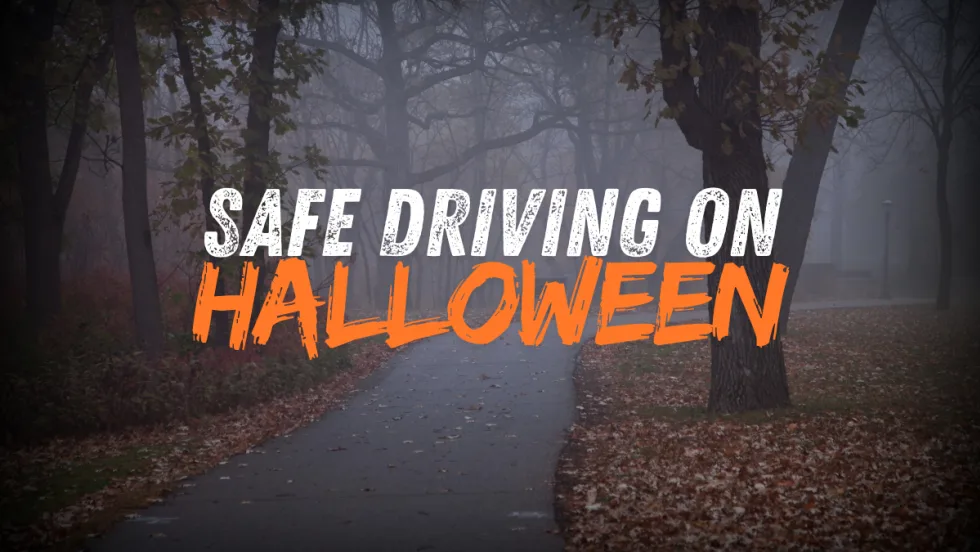
Tips for Driving Safely on Halloween Night
This video features a reminder from the Connecticut Department of Transportation (DOT) and the Connecticut Police Chiefs Association, urging drivers to prioritize safety this Halloween.
Read More →
AI, Access, and Uptime: VMS’s Next Chapter with David Prusinski
VMS’s new Co-CEO, David Prusinski, shares how an AI-first approach will give small fleets and repair shops the tools to compete like big players.
Read More →