




National Truck Driver Shortage Reaching Epidemic Proportions
Trucking companies are scrambling for ways to keep and recruit drivers as the truck driver shortage worsens.
Trucking companies are scrambling for ways to keep and recruit drivers as the truck driver shortage worsens. A 1997 study by the American Trucking Association concluded that 82,000 new truckers were needed -- 34,000 to meet industry growth and 48,000 to compensate for attrition. Experts believe this need has grown significantly since that time. This shortage is making it more difficult for trucking companies to grow and is contributing to higher costs for shippers, according to a report in American City Business Journals. The driver shortage could limit growth in trucking capacity at least through 2005, according to a recent report by Thomas Albrecht, a trucking analyst for BB&T Capital Markets Inc. Capacity will grow by less than 5 percent in 2005, making it the fourth consecutive year with growth that low compared with the nearly 15 percent annual growth in the 1990s, Albrecht said in the American City Business Journals report. Why? Demographics. The number of men 20 to 44 years old -- students at Roadmaster are typically 21 to 23 -- is expected to drop by 53,700 through 2007. The number of men 20 to 34 years old is expected to grow by a mere 0.7 percent a year from 2001 through 2010 to a total of 31.2 million and by just 0.3 percent a year from 2003 to 2007. Regulations. Most trucking fleets have experienced at least a 2 percent to 4 percent drop in driver and tractor productivity largely due to the new hours-of-service rules. He forecasts driver-truck productivity to drop at least 3 percent to 5 percent. The new hours-of-service rules are also being blamed for driving some truckers out of the industry. About 5 percent to 8 percent of drivers interviewed by BB&T Capital Markets said they expected to leave trucking solely because of the changes, further widening the gap between driver demand and supply. Pay. The weak economy and lowered volumes of product being shipped have kept driver wages depressed. The average annual pay is about $31,200, according to the Bureau of Labor Statistics. That is slightly below most blue-collar jobs and the $37,440 average annual pay all workers receive. Lifestyle. Finally, the solitary nature and freedom of the job is often a lure, yet as drivers get older and establish families, the long hours away from home often become too much of a sacrifice. The transient nature of the business also lets drivers drop in and out of the industry almost at will.
More Small Fleet


Developing Budget-Friendly Driver Safety Programs
From driver training and safety meetings to one-on-one coaching and incentive programs, several small fleets share how they have developed a safety culture with their drivers using low- to no-cost resources.
Read More →
Boosting Last-Mile Fleet Uptime, Safety, and Value with AI Vehicle Inspections
AI-powered inspections are transforming last-mile fleets by replacing manual checks with highly accurate automated scans that detect defects in seconds. By giving fleet operations visibility into the daily condition of their vehicles, you can identify trends over the vehicle’s lifecycle that enable improved procurement decisions, route management, driver training and accountability.
Read More →
Five Ways Seat Belts Help Prevent Injuries
There are five ways seat belts protect occupants from injuries, according to the Tennessee Department of Safety and Homeland Security.
Read More →
It’s here: The 2026 Fleet Technology Trends Report
What does AI mean for fleets? Get the answer — and learn other top tech trends.
Read More →
Small Fleets, Big Impact: How Independent Drivers Power Wreaths Across America
Check out how small fleets and independent drivers power Wreaths Across America each December and why their impact matters more than ever.
Read More →
VMS Survey Finds 65% of Small Fleet Managers Run Operations Alone
A new VMS survey shows small fleet managers are stretched thin, with most handling operations solo and eager to adopt digital tools for relief.
Read More →
Tips for Driving Safely on Halloween Night
This video features a reminder from the Connecticut Department of Transportation (DOT) and the Connecticut Police Chiefs Association, urging drivers to prioritize safety this Halloween.
Read More →
AI, Access, and Uptime: VMS’s Next Chapter with David Prusinski
VMS’s new Co-CEO, David Prusinski, shares how an AI-first approach will give small fleets and repair shops the tools to compete like big players.
Read More →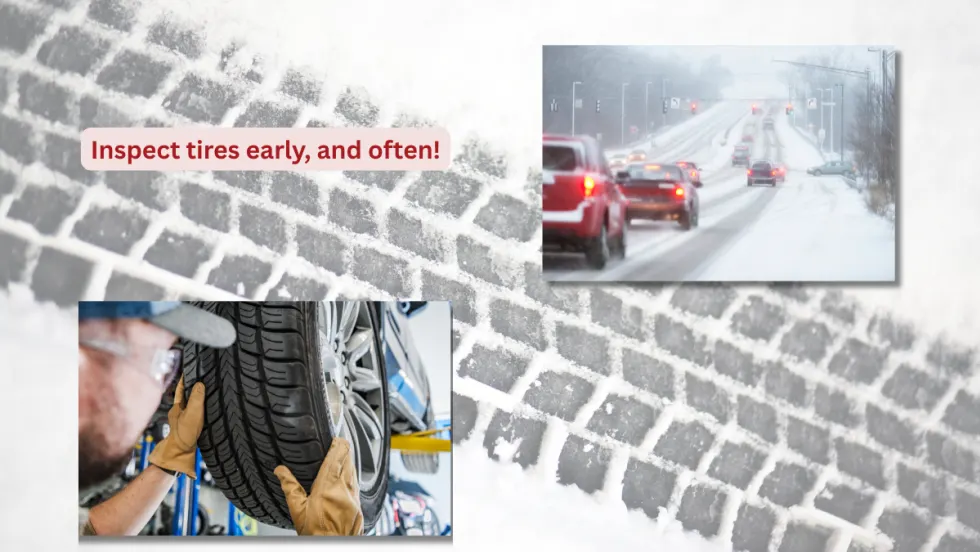
Fleet Managers Share Winter Prep Tips: It's Never Too Early!
Three fleets share best practices to prep vehicles for winter and prevent downtime when the cold sets in.
Read More →