




Motorola Promotes Responsible-Driving Research, Education and Products to Help Drivers
With the marriage of wireless communications and the automobile comes the possibility for new distractions. Many drivers forget that their primary responsibility while behind the wheel is to drive safely and efficiently. Motorola is developing products to meet the needs of drivers who want to not only utilize wireless communications technology, but also drive safely. Through its "Drive Safe, Call Smart" effort, Motorola is supporting research and education to help people drive more responsibly. "We will find the most user-friendly way to employ technology to actually aid a driver in being more responsive to the driving task," says Chuck Eger, director of Motorola's Office of Driver Safety.
Since November 1, New Yorkers have been banned from using handheld mobile phones while driving. At least 40 other states have considered some sort of hands-free mobile phone legislation for drivers. New York's law does permit drivers to use a "hands-free" system to make a wireless call. Typically, this means the driver does not have to use his or her hands when listening or talking. New York's law does not address the issue of dialing. Other laws in the works call for more research into the issue and for more education about distracted driving.
But the National Highway Traffic Safety Administration (NHTSA), among others, is unconvinced that laws restricting drivers' phone use are the answer. Eger says Motorola would like to see more research into the issue and more education for drivers. "We agree with the policymakers at NHTSA and other places that it is premature at this point to conclude that legislation that has restrictions will be useful," he says. "We very much endorse legislation that involves education, that involves research into the kinds of distractions that are problems," he adds. "And we certainly will not oppose thoughtful hands-free legislation."
According to Motorola, education is a key part of their effort to improve the driver's experience behind the wheel. The company is a member of the Cellular Telecommunications and Internet Association (CTIA), which is promoting a nationwide awareness campaign, stressing that safe driving is the motorist's primary responsibility.
According to Motorola, all of their wireless phones meet the CTIA's certification requirements: A safe driving logo is displayed on the outside of the box, a user's manual with 10 CTIA-recommended safety tips is placed inside, and each product has hands-free capability.
In addition, according to Motorola, they have developed a distracted-driving curriculum in partnership with AT&T Wireless and the Network of Employers for Traffic Safety (NETS). The program, called "Who's Driving?", helps drivers recognize and address distracted-driving problems. It is available to employers through NETS, an industry group focused on helping employers keep their employees safe on the road.
For drivers who want to operate their phones hands-free, Motorola has a variety of products. One of the most obvious hands-free options for drivers is a phone with voice recognition (VR) and a speakerphone. VR lets the user dial the phone simply by saying the name of the person he or she wants to call, using the phone's preset phonebook entries. With a built-in speakerphone, the user can drive hands-free without the need for a headset. Motorola offers several phones with these capabilities,according to the company. Even without voice-recognition capabilities, users can still get the hands-free benefits by adding the clip-on speakerphone to many models of phones.
The One-Touch headset is another option that lets the user answer or place calls directly from the headset. Another option is the FM radio headset, available on selected phone models, which works with the phone's software to turn the phone into a full-featured stereo FM radio as well as giving the user all the hands-free conveniences. Other headsets include over-the-ear style earpieces, retractable style headsets (which come with a clip that can attach to a belt or a seatbelt), and ear buds.
A Motorola car kit lets motorists integrate their mobile phones into their vehicles. The simplest are easy-install hands-free car kits that include a cigarette-lighter adapter that allows the driver to plug in a mobile phone. Also available are pro-install kits that integrate more fully with the car, using the vehicle's radio speakers for the phone's audio, according to Motorola.
Motorola's Bluetooth Hands-free Car Kit, introduced in early 2002, enables a wireless connection in the car for a Bluetooth-enabled mobile phone. A driver can enter the car talking on the phone, and the car kit can pick up the conversation, allowing the driver to continue talking without plugging in a wire. The kit incorporates voice-recognition technology, which enables drivers to make calls by using voice commands.
With several new wireless products making their debuts and more on the way, Motorola continues to see research as a key element in making automobiles more driver-friendly, according to the company. Included in this research effort is support of and/or collaboration with several universities, including the University of Iowa, the University of Michigan Transportation Research Institute, and the Media Lab at the Massachusetts Institute of Technology. Motorola is also working with the NHTSA to establish guidelines for driver distraction research.
In addition, Motorola is conducting its own research. The company is not only studying driving and wireless phone use, but is also researching and developing ways to help drivers perform all their tasks more efficiently, with a minimum of distraction, according to Motorola. Among these initiatives is work being done by its Driver Advocate Research Team, which is developing technology that can recognize distractions, reduce those distractions, and direct the driver's attention back to the road.
More Small Fleet


Developing Budget-Friendly Driver Safety Programs
From driver training and safety meetings to one-on-one coaching and incentive programs, several small fleets share how they have developed a safety culture with their drivers using low- to no-cost resources.
Read More →
Boosting Last-Mile Fleet Uptime, Safety, and Value with AI Vehicle Inspections
AI-powered inspections are transforming last-mile fleets by replacing manual checks with highly accurate automated scans that detect defects in seconds. By giving fleet operations visibility into the daily condition of their vehicles, you can identify trends over the vehicle’s lifecycle that enable improved procurement decisions, route management, driver training and accountability.
Read More →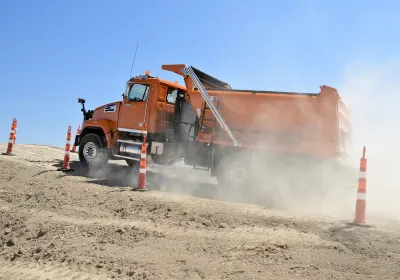

Five Ways Seat Belts Help Prevent Injuries
There are five ways seat belts protect occupants from injuries, according to the Tennessee Department of Safety and Homeland Security.
Read More →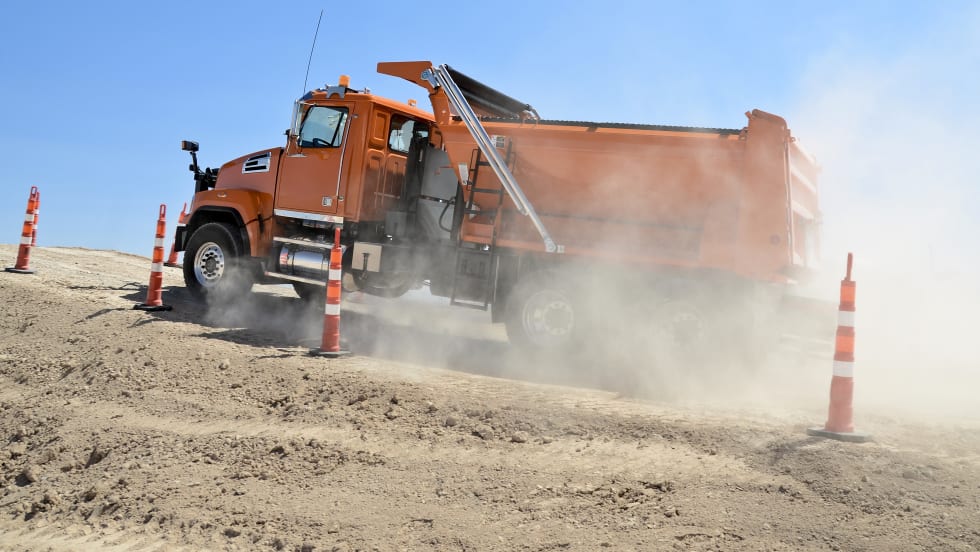
Basic Tracking vs Next Generation Fleet Technology
Fleet software is getting more sophisticated and effective than ever, tying big data models together to transform maintenance, safety, and the value of your existing tech stack. Fleet technology upgrades are undoubtedly an investment, but updated technology can offer a much higher return. Read how upgrading your fleet technology can increase the return on your investment.
Read More →
It’s here: The 2026 Fleet Technology Trends Report
What does AI mean for fleets? Get the answer — and learn other top tech trends.
Read More →
Small Fleets, Big Impact: How Independent Drivers Power Wreaths Across America
Check out how small fleets and independent drivers power Wreaths Across America each December and why their impact matters more than ever.
Read More →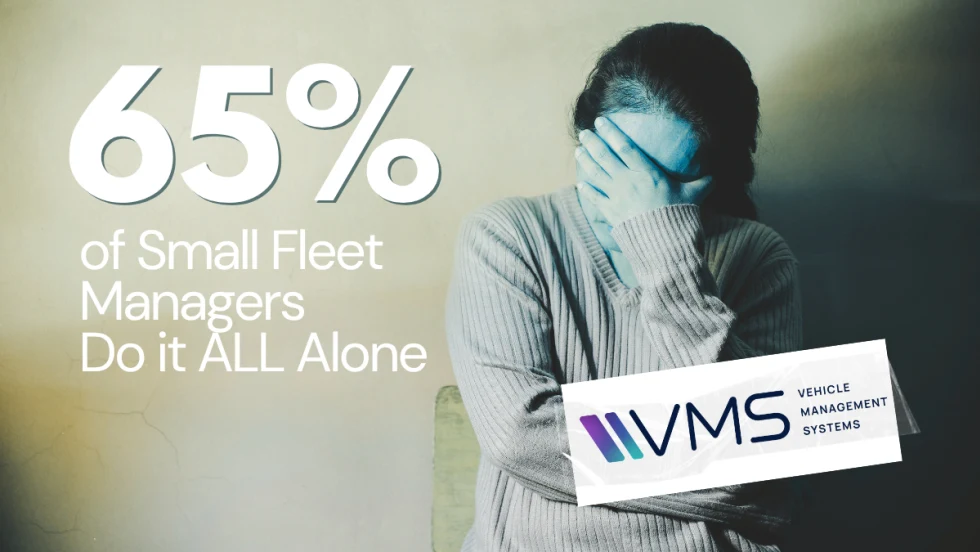
VMS Survey Finds 65% of Small Fleet Managers Run Operations Alone
A new VMS survey shows small fleet managers are stretched thin, with most handling operations solo and eager to adopt digital tools for relief.
Read More →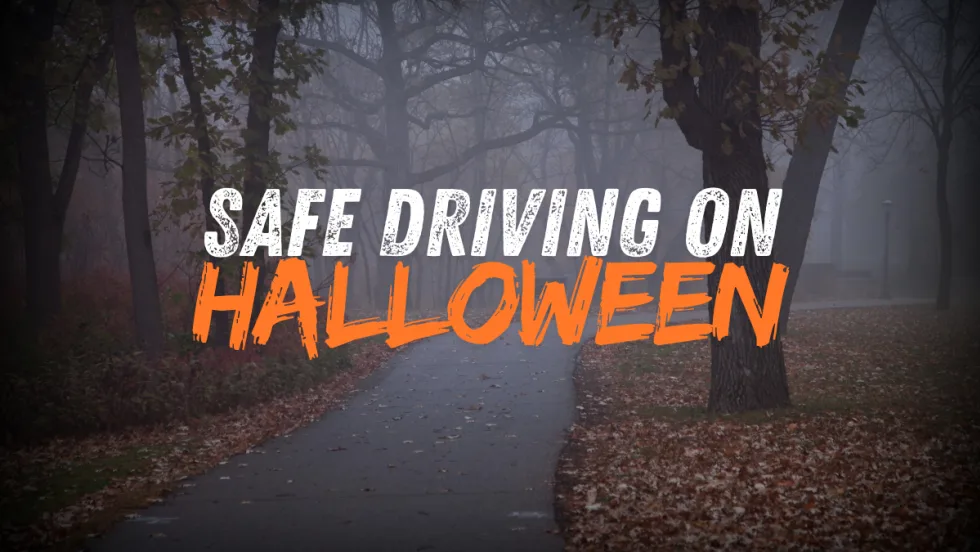
Tips for Driving Safely on Halloween Night
This video features a reminder from the Connecticut Department of Transportation (DOT) and the Connecticut Police Chiefs Association, urging drivers to prioritize safety this Halloween.
Read More →
AI, Access, and Uptime: VMS’s Next Chapter with David Prusinski
VMS’s new Co-CEO, David Prusinski, shares how an AI-first approach will give small fleets and repair shops the tools to compete like big players.
Read More →