




Most Teens Admit to Previous Drowsy Driving
A new study reveals that teenage drivers are more prone to drowsy driving than their parents realize, creating a safety hazard for all motorists.

Photo courtesy of the National Highway Traffic Safety Administration.

Photo courtesy of the National Highway Traffic Safety Administration.
Adults juggling career and family responsibilities today aren’t the only ones at risk for drowsy driving. More than half (56%) of teens with a driver’s license admit to having driven when they felt too tired to perform their best, according to a new study.
This research, conducted by Liberty Mutual Insurance and SADD (Students Against Destructive Decisions), also found that 32% of licensed teenage drivers are still driving drowsy at least sometimes and nearly one in 10 have completely fallen asleep behind the wheel before.
“Drowsiness impairs driving performance and reaction time,” said William Horrey, principal research scientist at the Liberty Mutual Research Institute for Safety. “When our brains are tired, our attention, judgment and ability to act are greatly impacted, which has the potential for disaster on the road, particularly if there’s inclement weather or a critical situation requiring quick response. The situation can be exacerbated when the driver is a teenager without much experience. If parents, however, address this issue head on, they can foster safer driving practices to help remind their teens of the importance of staying alert on the road.”
Parents may also be unwittingly contributing to drowsy driving behaviors. In fact, 39% of teens surveyed said that household and family responsibilities impacted their sleep but only 11% of parents believed this contributed to their teens not getting an adequate amount. Additionally, 42% of teens said they aren’t getting enough sleep because of early-morning activities. On the other hand, only 19% of parents think the activities are the culprit.
“The pressures of school, sports, extracurricular activities and friends can be overwhelming, and teens may not always have the confidence or self-awareness to raise a hand and ask for help if they’re running on empty,” said Dr. Gene Beresin, senior advisor on adolescent psychiatry with SADD and executive director of The Clay Center for Young Healthy Minds at Massachusetts General Hospital. “Parents should have routine conversations with their teens beginning with open-ended questions to gauge the teen’s perspective on why they may be prone to drowsy driving. One good path to less worry is for parents to help teens map out their schedules to ensure they get enough sleep before early morning activities and have a ride home if staying out late.”
Originally posted on Automotive Fleet
More Small Fleet

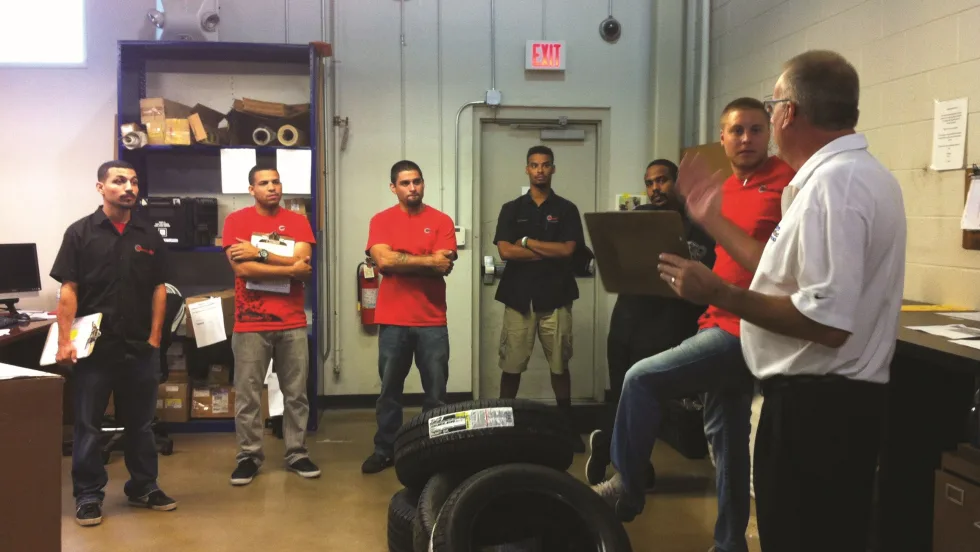
Developing Budget-Friendly Driver Safety Programs
From driver training and safety meetings to one-on-one coaching and incentive programs, several small fleets share how they have developed a safety culture with their drivers using low- to no-cost resources.
Read More →
Boosting Last-Mile Fleet Uptime, Safety, and Value with AI Vehicle Inspections
AI-powered inspections are transforming last-mile fleets by replacing manual checks with highly accurate automated scans that detect defects in seconds. By giving fleet operations visibility into the daily condition of their vehicles, you can identify trends over the vehicle’s lifecycle that enable improved procurement decisions, route management, driver training and accountability.
Read More →

Five Ways Seat Belts Help Prevent Injuries
There are five ways seat belts protect occupants from injuries, according to the Tennessee Department of Safety and Homeland Security.
Read More →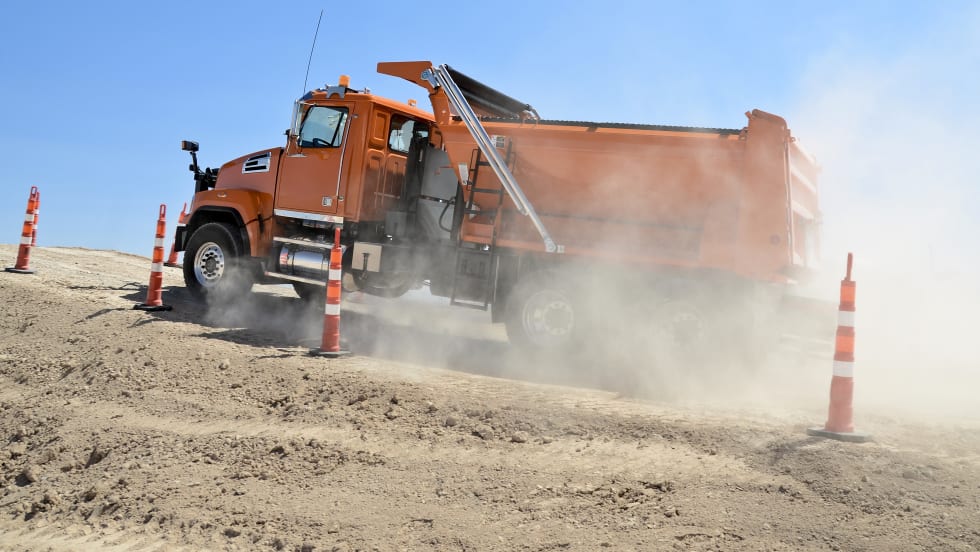
Basic Tracking vs Next Generation Fleet Technology
Fleet software is getting more sophisticated and effective than ever, tying big data models together to transform maintenance, safety, and the value of your existing tech stack. Fleet technology upgrades are undoubtedly an investment, but updated technology can offer a much higher return. Read how upgrading your fleet technology can increase the return on your investment.
Read More →
It’s here: The 2026 Fleet Technology Trends Report
What does AI mean for fleets? Get the answer — and learn other top tech trends.
Read More →
Small Fleets, Big Impact: How Independent Drivers Power Wreaths Across America
Check out how small fleets and independent drivers power Wreaths Across America each December and why their impact matters more than ever.
Read More →
VMS Survey Finds 65% of Small Fleet Managers Run Operations Alone
A new VMS survey shows small fleet managers are stretched thin, with most handling operations solo and eager to adopt digital tools for relief.
Read More →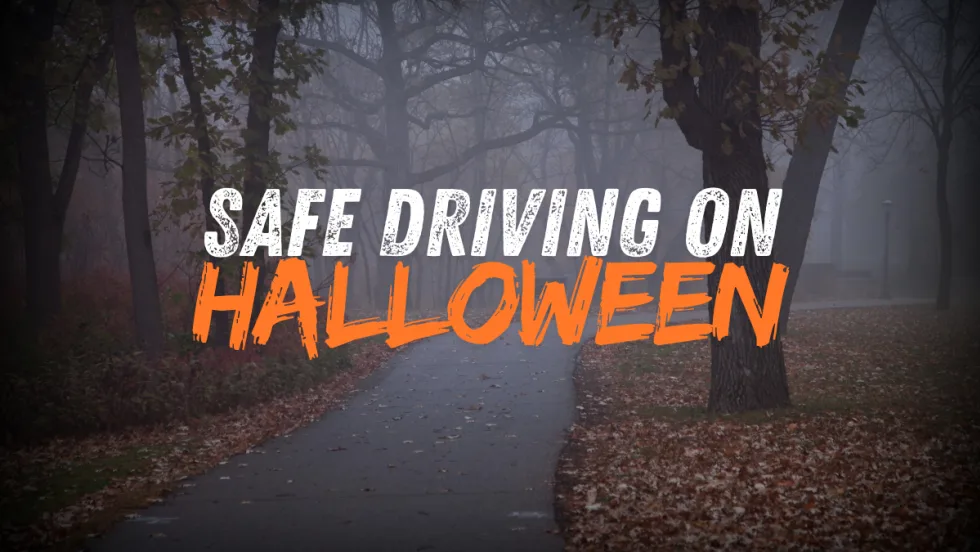
Tips for Driving Safely on Halloween Night
This video features a reminder from the Connecticut Department of Transportation (DOT) and the Connecticut Police Chiefs Association, urging drivers to prioritize safety this Halloween.
Read More →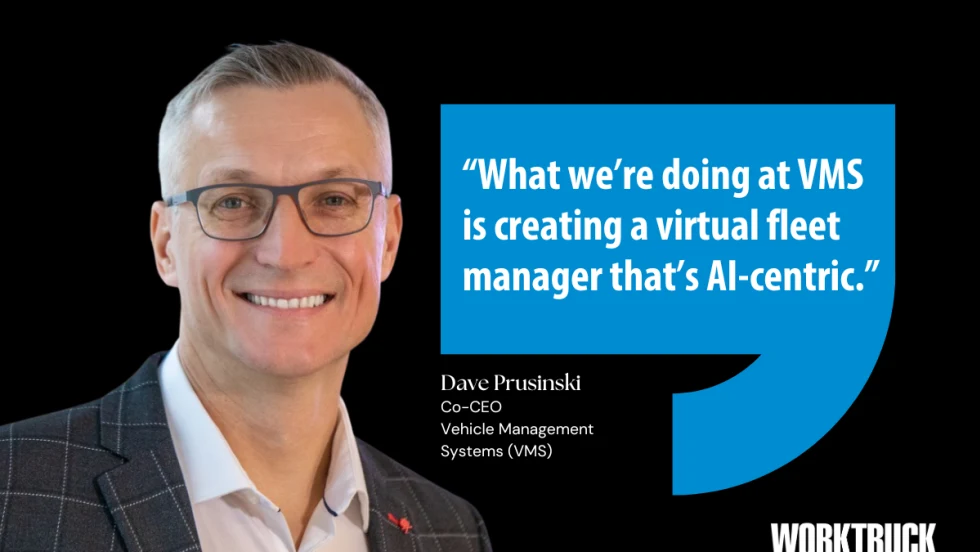
AI, Access, and Uptime: VMS’s Next Chapter with David Prusinski
VMS’s new Co-CEO, David Prusinski, shares how an AI-first approach will give small fleets and repair shops the tools to compete like big players.
Read More →