




Michael Ferreira Outlines Stellantis’ Fleet Growth Vision for 2026
Stellantis’ new fleet chief Michael Ferreira maps out a 2026 growth plan built on data, dealer support, and smarter solutions for today’s self-managed fleets.

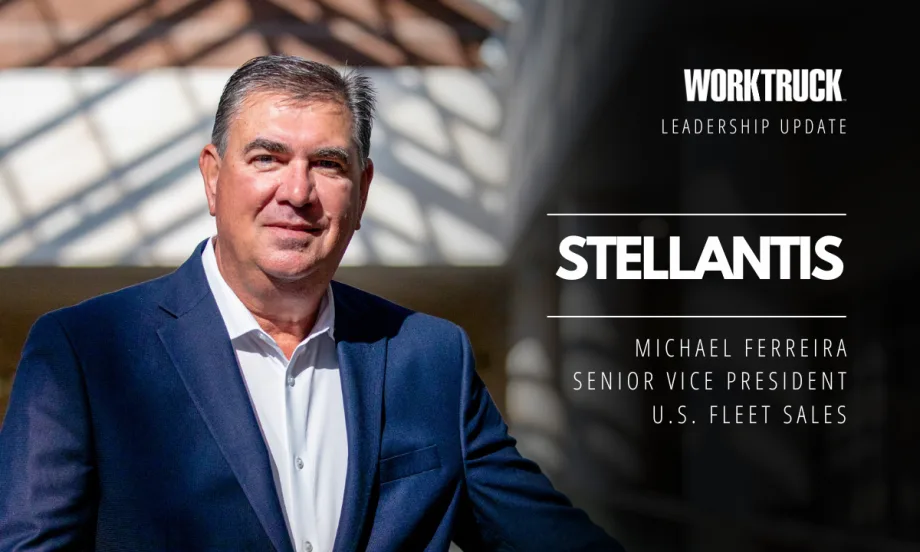
Michael Ferreira, newly appointed senior vice president of U.S. fleet sales at Stellantis, shares his 2026 vision for growth, dealer support, and data-driven fleet operations.
Photo: Stellantis | Work Truck
Stellantis has a new leader steering its U.S. fleet business, and he’s not wasting any time. Michael Ferreira, the new senior vice president of U.S. Fleet Sales, is laying out a growth plan centered on customer support, stronger dealer partnerships, and a major push toward data-driven fleet operations.
Ferreira came into the role with a clear goal. “I wanted us to be first to market with the MY26 price guide and Pro Guide,” he said. Being early, he explained, matters in fleet. It helps customers plan, and it signals that Stellantis is ready to compete.
From there, he began consolidating what he described as “loose-standing components” into one ecosystem. Stellantis brands, products, and services previously sat in different silos. Now they’re being rebuilt into a single, more efficient structure aimed at making it easier for fleets to do business with them.
A Restructured Fleet Organization
In Q3, Stellantis reorganized its fleet division to support both existing and growth accounts better. The company will align its U.S. strategy with its global Pro One program, which has already found success in Europe, South America, the Middle East, and Africa.
The results showed up quickly. Fleet sales increased 22% year-over-year in Q3, something Ferreira attributes in part to the data-driven approach introduced through connected fleet insights and lifecycle support. Stellantis began Q2 with a 12% market share, which Ferreira made clear was “unacceptable to me.” Growing that number is a major priority heading into 2026.
Half of the U.S. fleet market is self-managed, and Stellantis is placing a strong focus on supporting those operators and equipping dealers to better serve them. By tapping connected-vehicle data, Stellantis is giving dealers more visibility into maintenance, replacement needs, and lifecycle timing.
Pro One Strategy and New Roles
A major piece of the puzzle is the Pro One strategy, which covers everything from vehicle build and shipment to upfit, delivery, retention, and replacement cycles.
Stellantis also appointed Jeff Hines as the new head of fleet strategy, who reports directly to Ferreira and leads the Pro One initiative. Additional hires include expanded business development roles and three new dealer development positions covering the East, Central, and West. New BDM groups will support fleets up to 1,000 vehicles, with dedicated “whale hunters” for the largest accounts.
EV Adoption and Powertrain Choice
When it comes to EV adoption in fleet, Ferreira acknowledges the challenges, especially for technicians living in apartments or condos without access to charging. He sees an opportunity to identify where EVs truly make sense and where diesel or hybrid options may still be the better fit.
The sales team is now trained to ask deeper questions about vehicle use, daily routes, and the real-world feasibility of charging. Hybrid technology, including options like the Jeep Cherokee, will play a growing role in total cost of ownership conversations moving forward.
And for fleets with 300 to 400 vehicles? Ferreira says there won’t be sudden changes in their existing rep relationships, but there will be added regional support behind the scenes.
Technology Leading the Way
Ferreira is clear about what excites him most: technology. One example is Digital Key, a Bluetooth-based system currently in beta with a rental company. It eliminates the need for the key fob to be physically near the vehicle, helps prevent key-loss issues, and boosts resale value.
For self-managed fleets, especially, he believes this kind of innovation will directly help lower TCO.
Bringing Global Practices to North America
Stellantis is also adopting two global practices that North America has traditionally lagged on.
Upfitting: Internationally, upfits are completed during the build process. In the U.S., upfits happen post-production, often leaving fleets and dealers unsure where the vehicle is or how long the process will take. Stellantis plans to bring its European Custom Fit program to the U.S. to address this visibility challenge by leveraging connected data.
Self-Managed Fleet Support: Globally, DTC and vehicle health information are routed through a control center. In North America, that data often stops short of being actionable. Stellantis plans to change that by using the information for better maintenance, repairs, and utilization planning.
Looking Ahead
Stellantis is also eyeing future partnerships and emerging technology. Collaborations with companies like Nvidia, Uber and Foxconn align with long-term goals for Level 4 autonomous development and robo-taxi applications. Ferreira says the focus is on becoming a fleet partner that delivers practical, safe, and sustainable solutions, not just promises.
“We want to give fleets bigger and better freedom of choice,” Ferreira said, noting that a unified commercial lineup and stronger upfitting integration will help deliver that vision.
More Vehicle Research
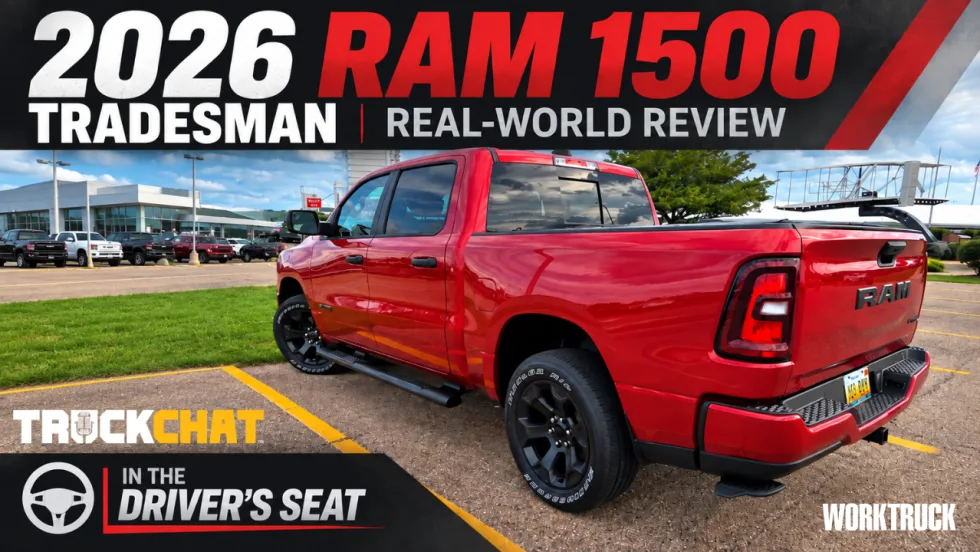
2026 Ram 1500 Tradesman Put to a Real-World Fleet Test
A few days behind the wheel of a 2026 Ram 1500 Tradesman turned into a test of visibility, parking, work-ready features, and even severe-weather driving.
Read More →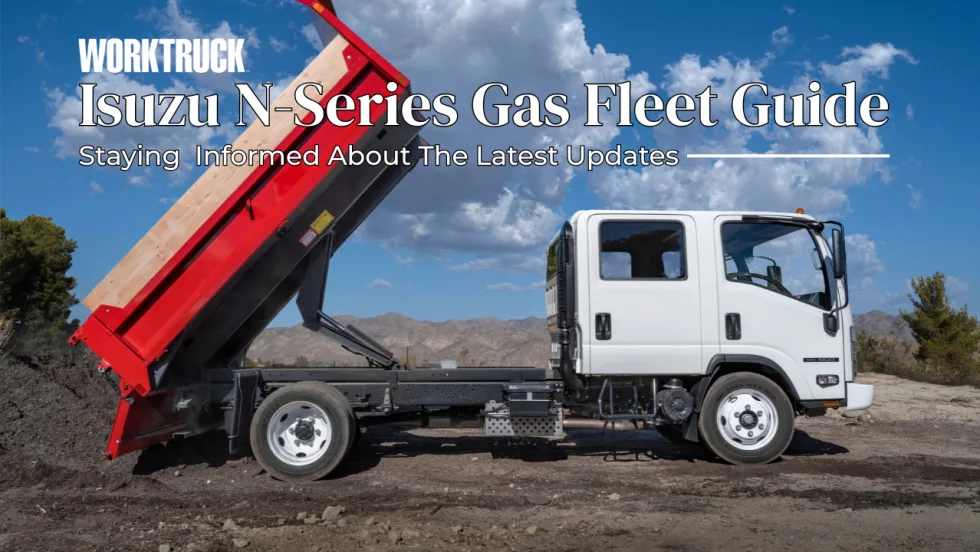
Isuzu N-Series Gas Fleet Guide: Specs, Capability and 2027 Model-Year Updates
Explore Isuzu Truck North America’s N-Series Gas fleet specs, engine performance, GVWR and payload capability, configurations, chassis dimensions, work-focused features, and 2027 model-year information.
Read More →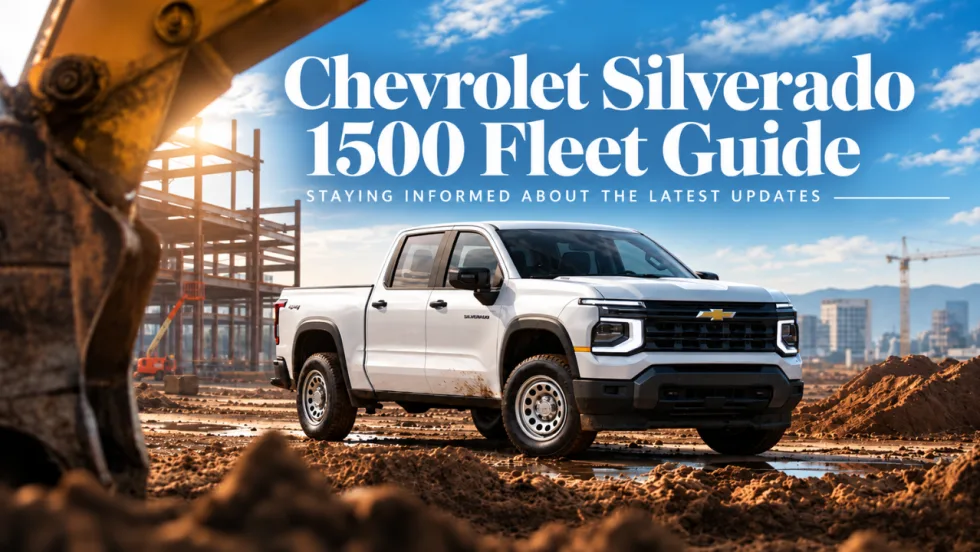
Chevrolet Silverado 1500 Fleet Guide Specs Capability and 2027 Model-Year Updates
The next-generation 2027 Chevrolet Silverado 1500 brings new V-8 engines, updated technology, expanded safety features, and a fleet-focused Work Truck. Here’s what commercial fleets need to know so far.
Read More →
Ram ProMaster City Fleet Guide Specs Cargo Capacity and 2027 Updates
Work Truck’s Ram ProMaster City Fleet Guide tracks the latest specifications, cargo capability, configurations, fleet technology, pricing, and model-year updates for Ram’s mid-size commercial van.
Read More →
Ford F-150 Fleet Guide Specs Capability and 2026 Model-Year Updates
Explore 2026 Ford F-150 fleet specs, engines, towing and payload capability, configurations, work features, technology, and model-year updates.
Read More →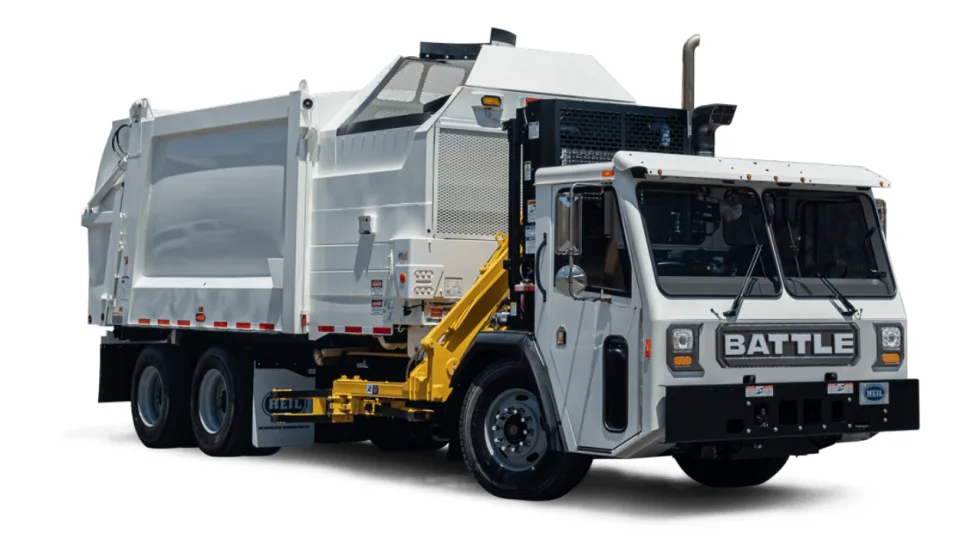
TCI Now Sells & Supports Battle Motors’ Vocational Trucks
Midwest truck dealer Truck Centers, Inc. (TCI) has expanded its transportation solutions with sales and service support for Battle Motors’ heavy-duty vocational trucks at locations in locations in Indiana, Illinois, and Missouri
Read More →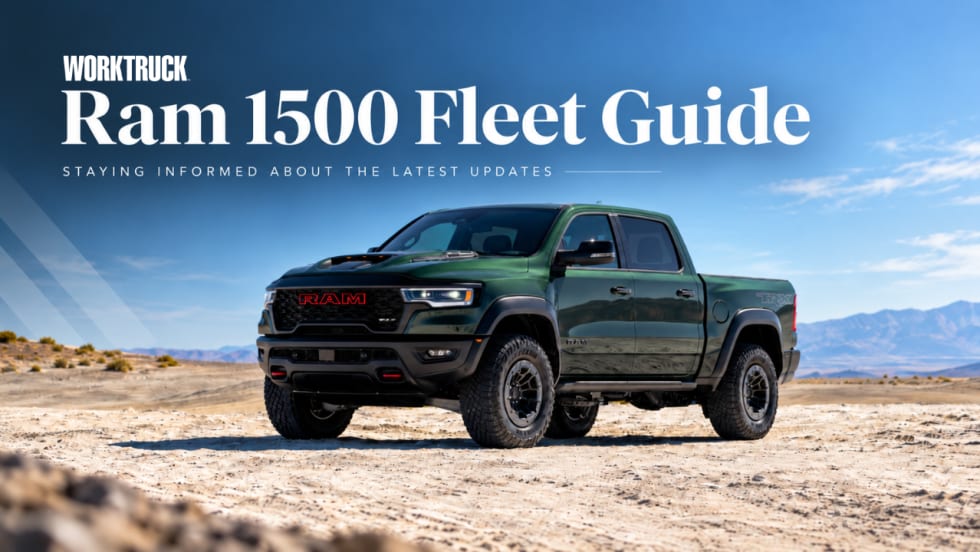
Ram 1500 Fleet Guide Specs, Capability and 2027 Model-Year Updates
Explore always up-to-date Ram 1500 fleet specs, engines, towing and payload capability, configurations, technology, pricing updates, and model-year changes.
Read More →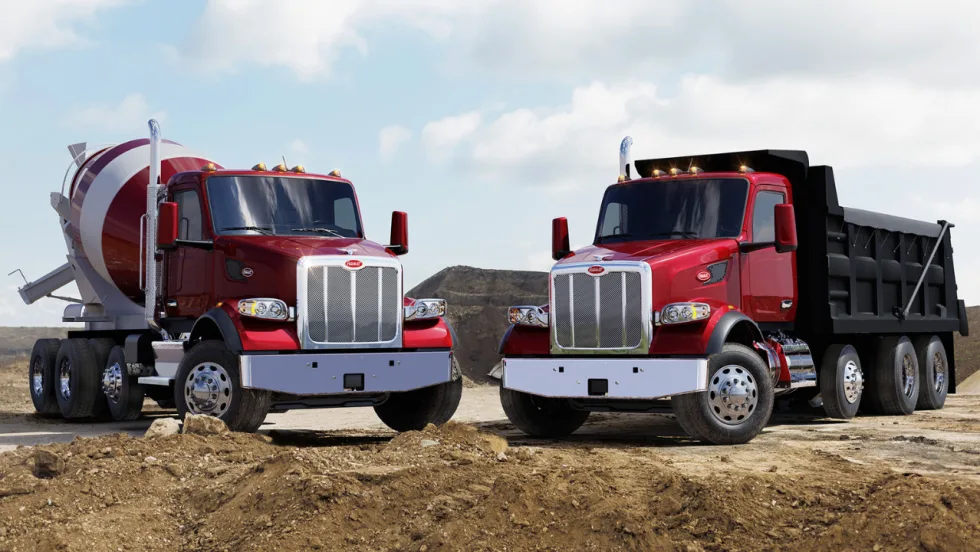
Peterbilt Trucks Equipped with Paccar TX-18 Pro Boost Efficiency for Maryland Fleet
Patuxent Companies is replacing aging trucks with the Peterbilt Model 567 and Model 589, specified with the Paccar TX-18 Pro 18-speed automated transmissions, and is reporting an 8% to 10% improvement in fuel economy.
Read More →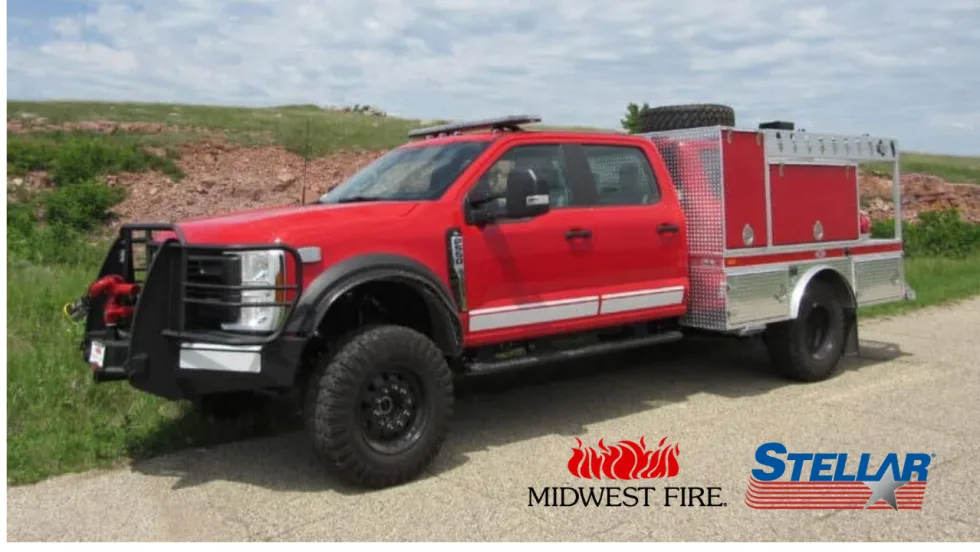
Stellar Expands into Fire Apparatus Market with Acquisition of Midwest Fire
Stellar Industries has acquired Midwest Fire, a custom fire apparatus manufacturer headquartered in Luverne, Minnesota, with nearly four decades of specialized apparatus experience.
Read More →
Recalls You Need to Know About in August 2026
If you have Altec, Chrysler, Ford, Heil, General Motors, International, Mack Trucks, Paccar, Rivian, Royal Truck, Toyota, US Truck Body, or Volvo Trucks vehicles in your fleet, you should check these important recalls issued by the National Highway Safety Administration.
Read More →