




Mercedes-Benz, Renault-Nissan Alliance Team on Pickup
Nissan and Daimler have announced they will develop a 1-ton pickup truck for Mercedes-Benz.
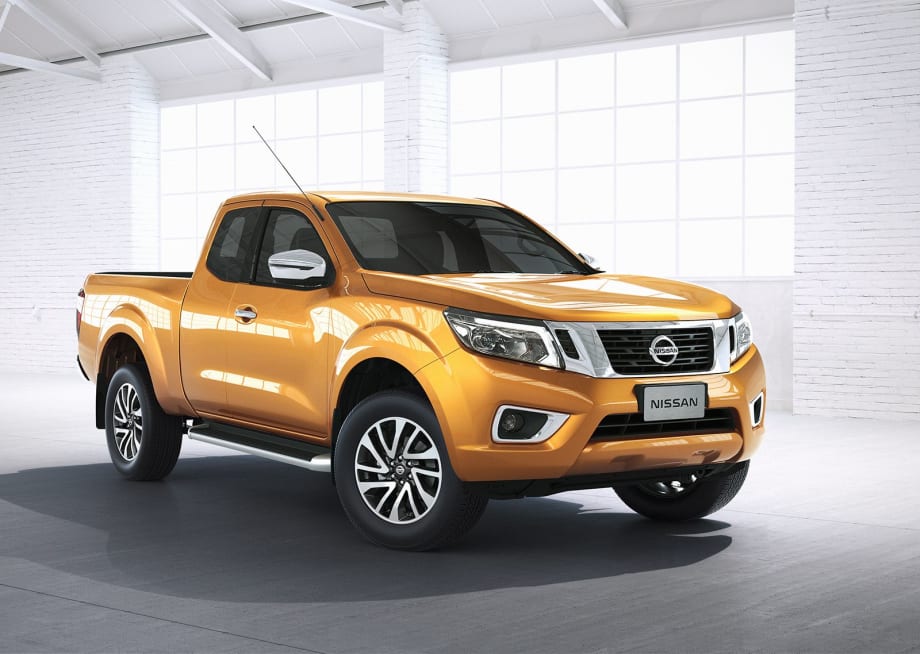
Nissan and Daimler have announced they will design a 1-ton pickup for Mercedes-Benz, which will share some architecture with Nissan's NP300 (shown), which was introduced in Thailand in 2014.
Nissan and Daimler have announced they will design a 1-ton pickup for Mercedes-Benz, which will share some architecture with Nissan's NP300 (shown), which was introduced in Thailand in 2014.
The Renault-Nissan Alliance and Daimler AG will expand their five-year strategic cooperation into the pickup truck segment.
Together, Nissan and Daimler announced they will develop a 1-ton pickup truck for Mercedes-Benz. Mercedes-Benz recently announced its entry into this segment. The Mercedes-Benz pickup will share some of the architecture with the all-new Nissan NP300 but it will be engineered and designed by Daimler to meet the specific needs of its customers. The vehicle will have all of Mercedes Benz’ distinctive characteristics and features.
The pickup will feature a double cab and will be targeted both at personal-use and commercial customers. The primary target markets for the truck are Europe, Australia, South Africa and Latin America.
“Mercedes-Benz is the fastest growing premium brand in the world,” said Dieter Zetsche, chairman of the Board of Management of Daimler AG and head of Mercedes-Benz Cars. “Entering the rapidly growing segment of midsize pickups is an important step in continuing our global growth path. Thanks to our well-established partnership with the Renault-Nissan Alliance, we are able to drastically reduce the time and cost to enter this key segment.”
Nissan has been building and selling 1-ton pickups for more than 80 years. Since 1933, more than 14 million Nissan 1-ton pickup trucks have been used to transport people and cargo, sometimes in the toughest circumstances. The NP300, sold under the name NP300 Navara and NP300 Frontier (depending on the market), was launched in June 2014 and is currently produced in Thailand and Mexico.
Nissan and Renault are already developing a 1-ton pickup truck for Renault which will also share some common architecture with the Nissan NP300. The truck, which will have a distinctive Renault design, is Renault’s first 1-ton pickup truck as well, according to the automaker. Production of Renault’s 1-ton truck will begin in 2016 at Nissan’s plant in Cuernavaca, Mexico. The 1-ton pickup will mark Renault’s second entry into the pickup segment after the launch of a half-ton pickup later this year.
The Mercedes-Benz 1-ton pickup truck will be built by Nissan in the Renault plant in Cordoba, Argentina, along with the Nissan NP300 and the Renault 1-ton truck, for Latin America. The three trucks will also be built in the Nissan plant in Barcelona, Spain, for other markets, excluding North America. Production of the trucks at the two plants will start by the end of the decade.
The Barcelona plant will produce about 120,000 vehicles annually for the three partners, while the Cordoba plant will produce nearly 70,000 vehicles a year. A high parts localization rate is expected to expand the supply bases in Spain and Argentina significantly, according to the automaker.
Originally posted on Automotive Fleet
More Vehicle Research
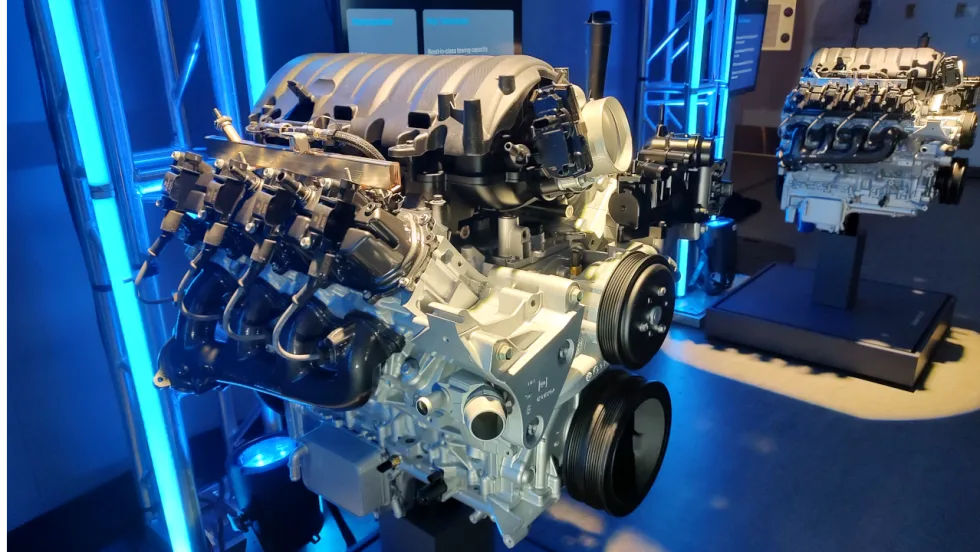
GM Unveils New Sixth-Generation Small Block Engines for 2027 Light-Duty Pickups
General Motors unveiled two new small-block engines, backed by extensive real-world validation and more than 70 years of small-block V8 manufacturing experience, as part of the engine portfolio for the 2027 Chevrolet Silverado 1500 and GMC Sierra 1500.
Read More →
Chevrolet Silverado 1500 Fleet Guide Specs Capability and 2027 Model-Year Updates
The next-generation 2027 Chevrolet Silverado 1500 brings new V-8 engines, updated technology, expanded safety features, and a fleet-focused Work Truck. Here’s what commercial fleets need to know so far.
Read More →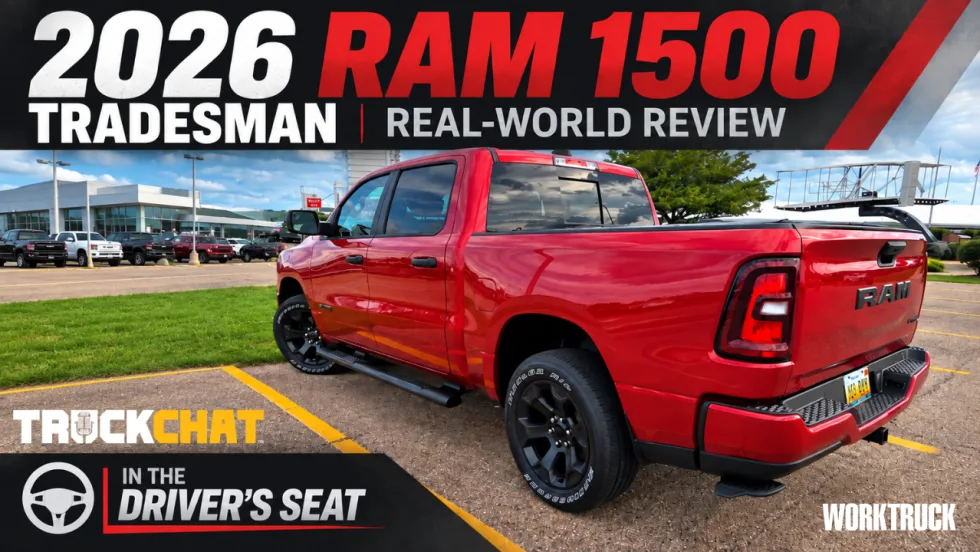
2026 Ram 1500 Tradesman Put to a Real-World Fleet Test
A few days behind the wheel of a 2026 Ram 1500 Tradesman turned into a test of visibility, parking, work-ready features, and even severe-weather driving.
Read More →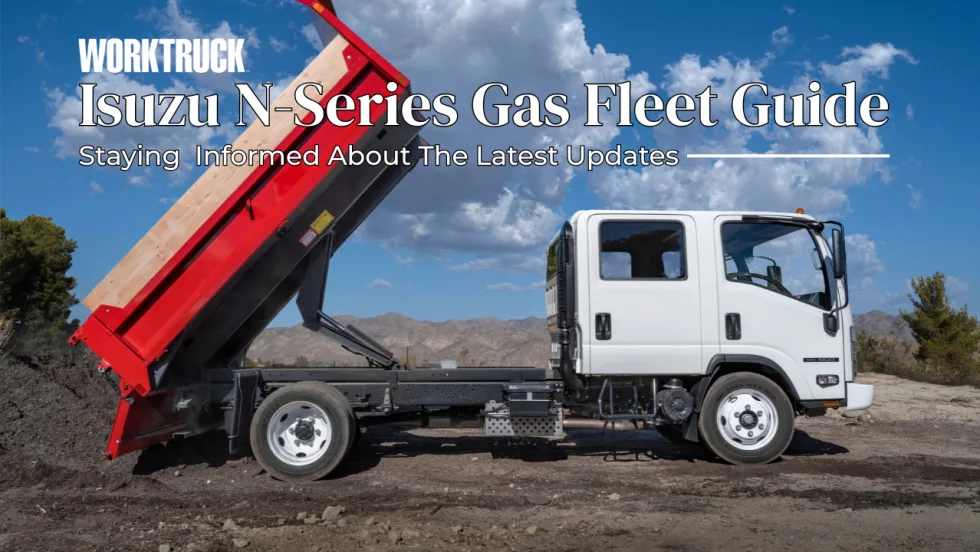
Isuzu N-Series Gas Fleet Guide: Specs, Capability and 2027 Model-Year Updates
Explore Isuzu Truck North America’s N-Series Gas fleet specs, engine performance, GVWR and payload capability, configurations, chassis dimensions, work-focused features, and 2027 model-year information.
Read More →
Ram ProMaster City Fleet Guide Specs Cargo Capacity and 2027 Updates
Work Truck’s Ram ProMaster City Fleet Guide tracks the latest specifications, cargo capability, configurations, fleet technology, pricing, and model-year updates for Ram’s mid-size commercial van.
Read More →
Ford F-150 Fleet Guide Specs Capability and 2026 Model-Year Updates
Explore 2026 Ford F-150 fleet specs, engines, towing and payload capability, configurations, work features, technology, and model-year updates.
Read More →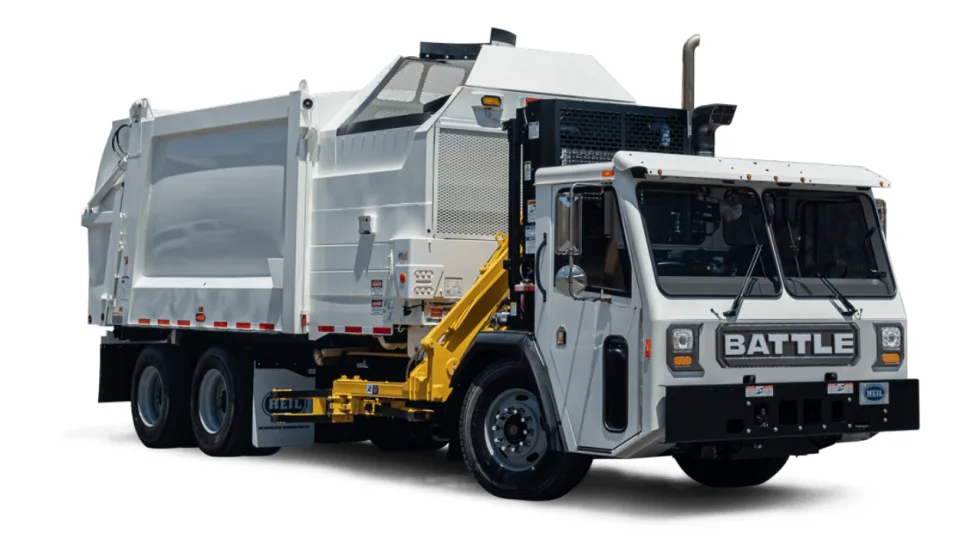
TCI Now Sells & Supports Battle Motors’ Vocational Trucks
Midwest truck dealer Truck Centers, Inc. (TCI) has expanded its transportation solutions with sales and service support for Battle Motors’ heavy-duty vocational trucks at locations in locations in Indiana, Illinois, and Missouri
Read More →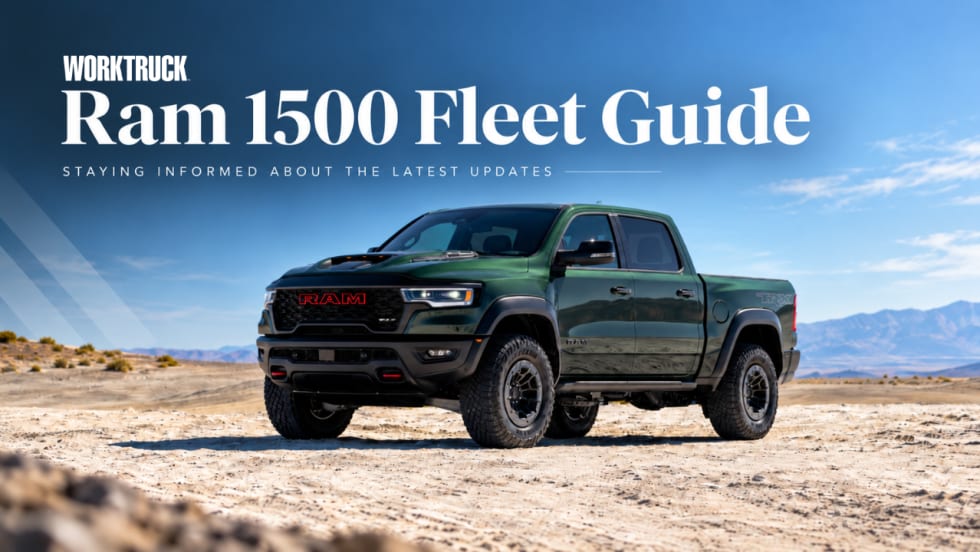
Ram 1500 Fleet Guide Specs, Capability and 2027 Model-Year Updates
Explore always up-to-date Ram 1500 fleet specs, engines, towing and payload capability, configurations, technology, pricing updates, and model-year changes.
Read More →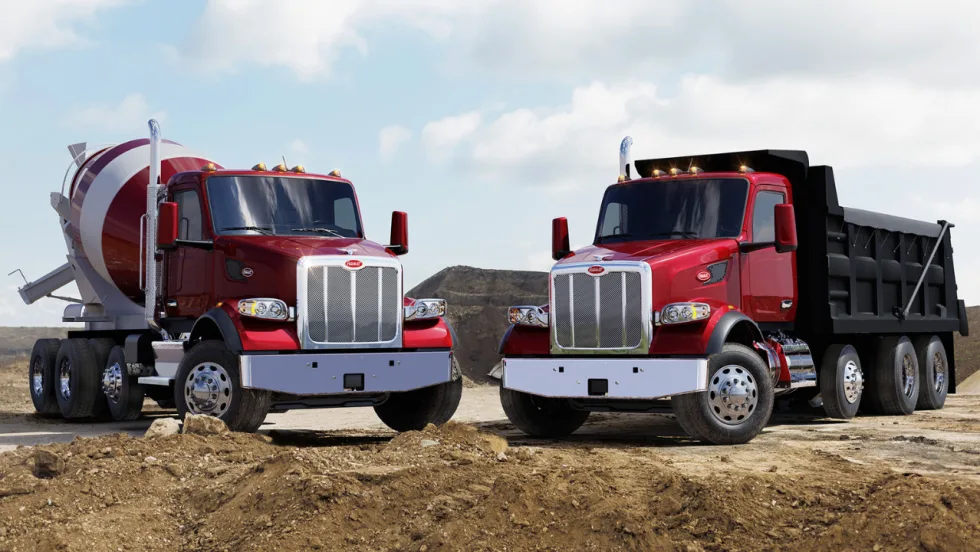
Peterbilt Trucks Equipped with Paccar TX-18 Pro Boost Efficiency for Maryland Fleet
Patuxent Companies is replacing aging trucks with the Peterbilt Model 567 and Model 589, specified with the Paccar TX-18 Pro 18-speed automated transmissions, and is reporting an 8% to 10% improvement in fuel economy.
Read More →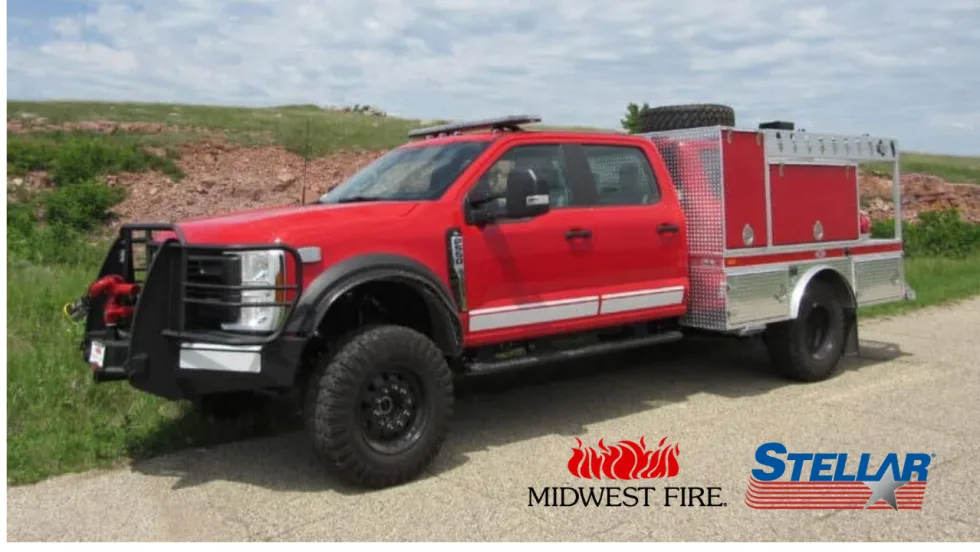
Stellar Expands into Fire Apparatus Market with Acquisition of Midwest Fire
Stellar Industries has acquired Midwest Fire, a custom fire apparatus manufacturer headquartered in Luverne, Minnesota, with nearly four decades of specialized apparatus experience.
Read More →