




Mercedes-Benz Introduces Trucks and Vans for Brazil
True to the motto “Made in Brazil for Brazil” the local Daimler subsidiary is presenting new products for the local market and for the Latin American export markets.

Photo: Mercedes-Benz

Photo: Mercedes-Benz
True to the motto “Made in Brazil for Brazil” the local Daimler subsidiary is presenting new products for the local market and for the Latin American export markets. During the Mercedes-Benz Solution Week, the company is showcasing the new products on the plant grounds in Sao Bernardo do Campo near Sao Paulo. The locally produced truck models Accelo, Atego, Axor, and Actros are designed for the special requirements of the Brazilian market, its topography, and its customer demands. The portfolio has now further been optimized with respect to comfort, fuel consumption and total cost of ownership, according to the automaker.
“Brazil is and remains one of the world’s most important commercial vehicle markets in the long term,” said Stefan Buchner, head of Mercedes-Benz Trucks. “In this period of market weakness it is important to set the right guideposts for the time when the market kicks in again. That is why we are investing around 500 million euro in our products and innovative technologies, as well as in the optimization of our production network by 2018.”
The new products presented are the result of a previously announced investment package in order to permanently strengthen the competitiveness of Daimler commercial vehicles in Brazil. From 2014 to 2018 about 500 million euro (US$567.4 million) are being invested in new for Brazil customized products, technologies, and services, according to the automaker.
Daimler is the most often registered commercial vehicle manufacturer in Brazil with 26,300 newly registered trucks, vans, and buses since the beginning of the year. In the persistently difficult market environment the market share of Mercedes-Benz trucks as of August grew to 26.3 percent (PY 25.8 percent), according to the automaker.
In addition to the Sprinter bestseller, in October Mercedes-Benz Vans is introducing the Vito mid-size van with a view to unlocking new market potential in Brazil. The new Vito was already presented at the “Buenos Aires International Motor Show” in Argentina in June of this year. The market launches of the Vito in Latin America are part of the global growth strategy “Mercedes-Benz Vans goes global.” The goal of the strategy is to continue to build up the technological leadership, to expand already existing activities and to tap into new growth potential outside the European core markets. In this context, the Vito has also been available in the USA since September under the name of “Metris,” according to the automaker.
Besides the optimized truck products for the Brazilian market, Daimler is also investing in further developed telematics solutions by FleetBoard. A total of 40 million real (US$10 million) has flown into the improved fleet management system equipped with new theft-tracking features, which enable siting stolen vehicles and freight in Brazil. In addition, shipping operators are also profiting from the use of the fleet management system with an operating cost reduction of up to 15 percent. In Brazil, FleetBoard is available for the entire truck portfolio, according to the automaker.
Originally posted on Automotive Fleet
More Vehicle Research
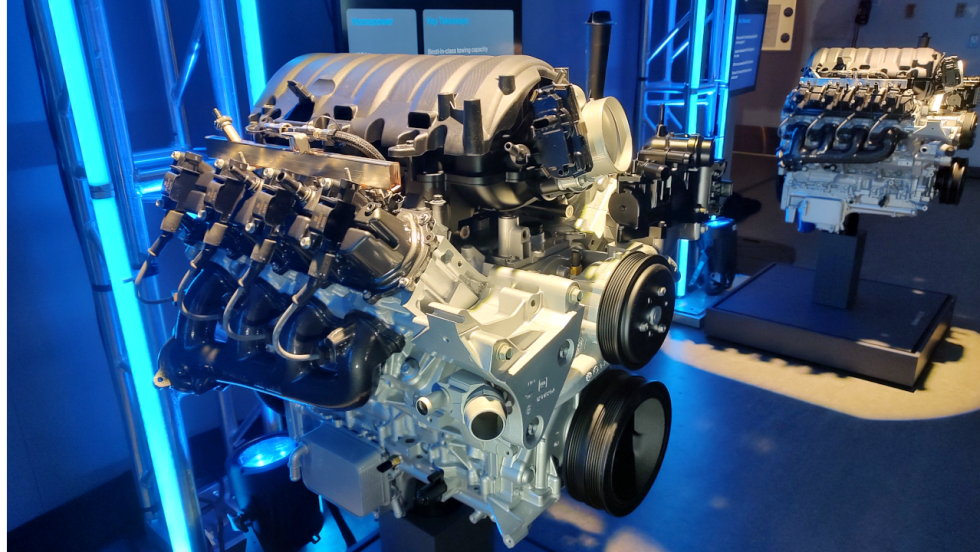
GM Unveils New Sixth-Generation Small Block Engines for 2027 Light-Duty Pickups
General Motors unveiled two new small-block engines, backed by extensive real-world validation and more than 70 years of small-block V8 manufacturing experience, as part of the engine portfolio for the 2027 Chevrolet Silverado 1500 and GMC Sierra 1500.
Read More →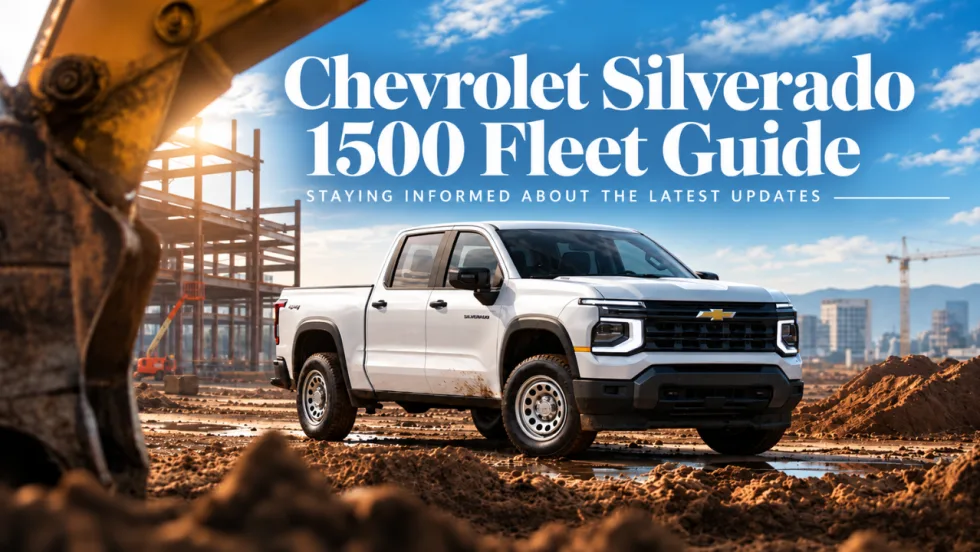
Chevrolet Silverado 1500 Fleet Guide Specs Capability and 2027 Model-Year Updates
The next-generation 2027 Chevrolet Silverado 1500 brings new V-8 engines, updated technology, expanded safety features, and a fleet-focused Work Truck. Here’s what commercial fleets need to know so far.
Read More →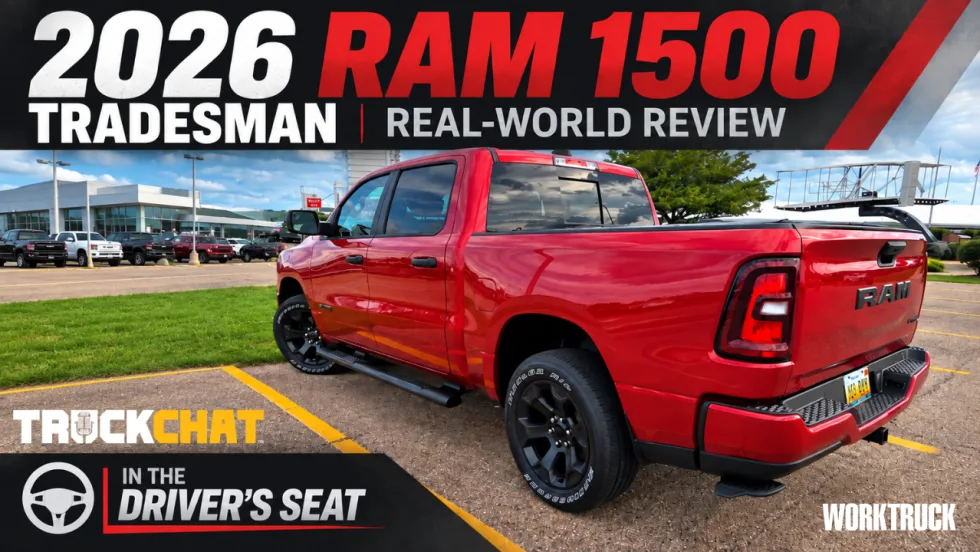
2026 Ram 1500 Tradesman Put to a Real-World Fleet Test
A few days behind the wheel of a 2026 Ram 1500 Tradesman turned into a test of visibility, parking, work-ready features, and even severe-weather driving.
Read More →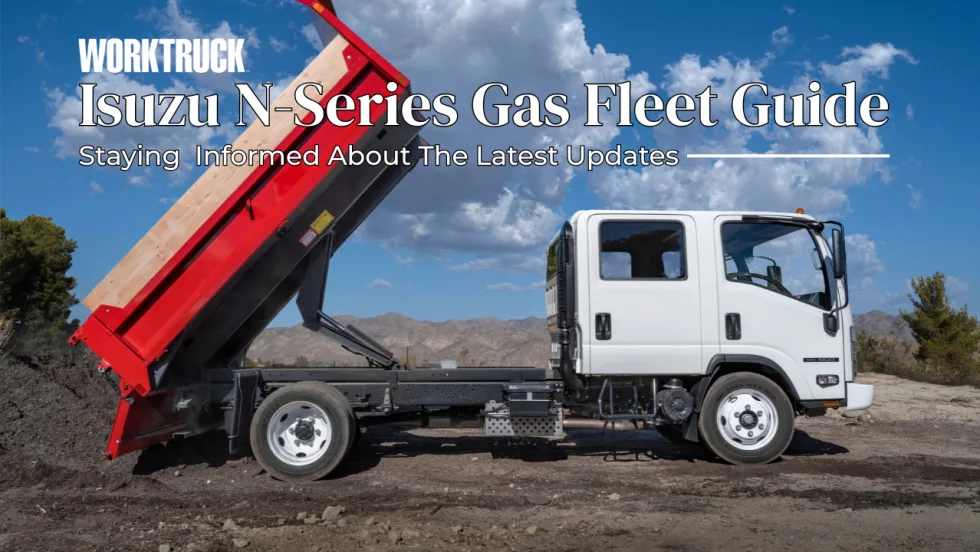
Isuzu N-Series Gas Fleet Guide: Specs, Capability and 2027 Model-Year Updates
Explore Isuzu Truck North America’s N-Series Gas fleet specs, engine performance, GVWR and payload capability, configurations, chassis dimensions, work-focused features, and 2027 model-year information.
Read More →
Ram ProMaster City Fleet Guide Specs Cargo Capacity and 2027 Updates
Work Truck’s Ram ProMaster City Fleet Guide tracks the latest specifications, cargo capability, configurations, fleet technology, pricing, and model-year updates for Ram’s mid-size commercial van.
Read More →
Ford F-150 Fleet Guide Specs Capability and 2026 Model-Year Updates
Explore 2026 Ford F-150 fleet specs, engines, towing and payload capability, configurations, work features, technology, and model-year updates.
Read More →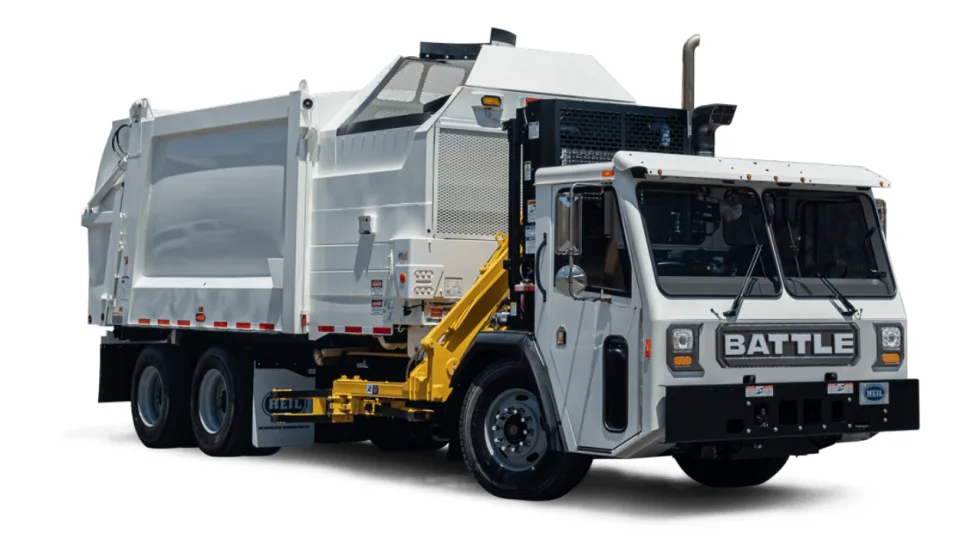
TCI Now Sells & Supports Battle Motors’ Vocational Trucks
Midwest truck dealer Truck Centers, Inc. (TCI) has expanded its transportation solutions with sales and service support for Battle Motors’ heavy-duty vocational trucks at locations in locations in Indiana, Illinois, and Missouri
Read More →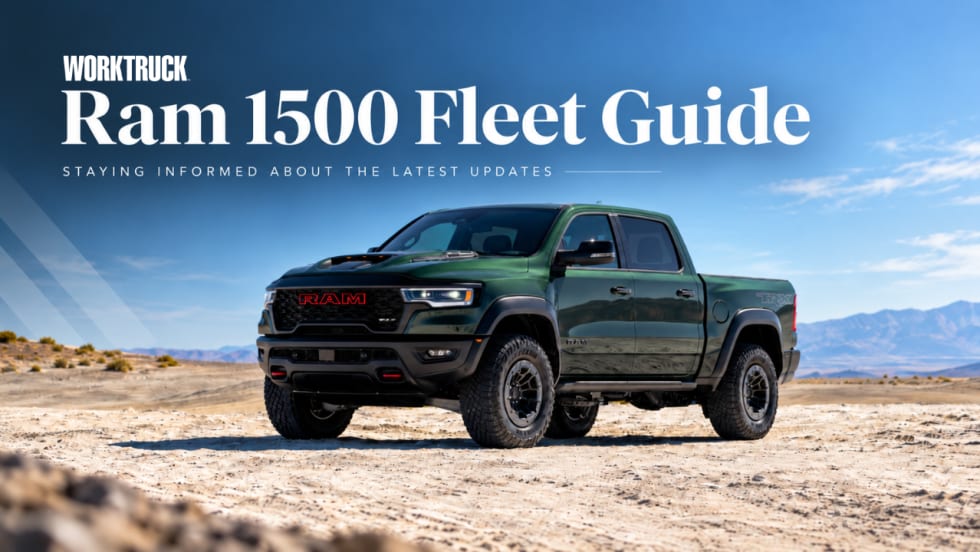
Ram 1500 Fleet Guide Specs, Capability and 2027 Model-Year Updates
Explore always up-to-date Ram 1500 fleet specs, engines, towing and payload capability, configurations, technology, pricing updates, and model-year changes.
Read More →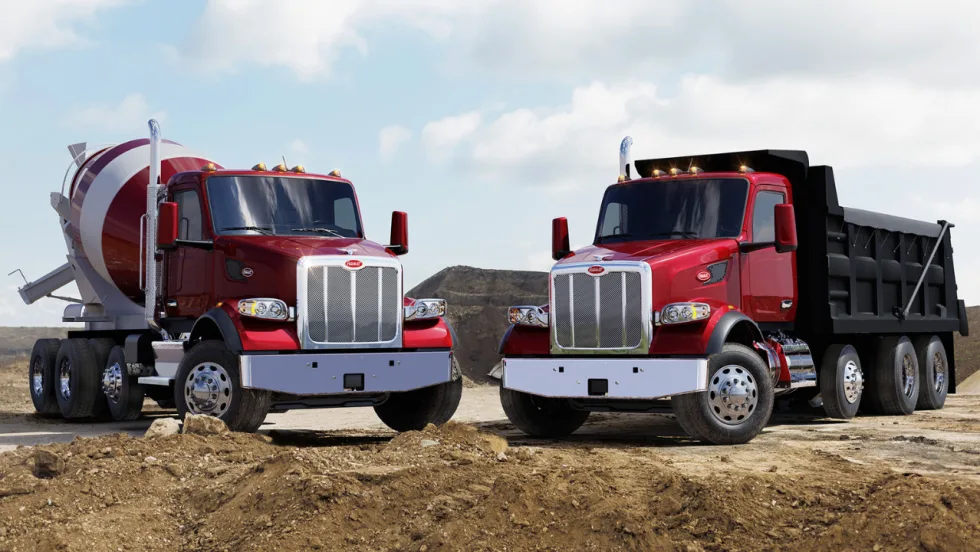
Peterbilt Trucks Equipped with Paccar TX-18 Pro Boost Efficiency for Maryland Fleet
Patuxent Companies is replacing aging trucks with the Peterbilt Model 567 and Model 589, specified with the Paccar TX-18 Pro 18-speed automated transmissions, and is reporting an 8% to 10% improvement in fuel economy.
Read More →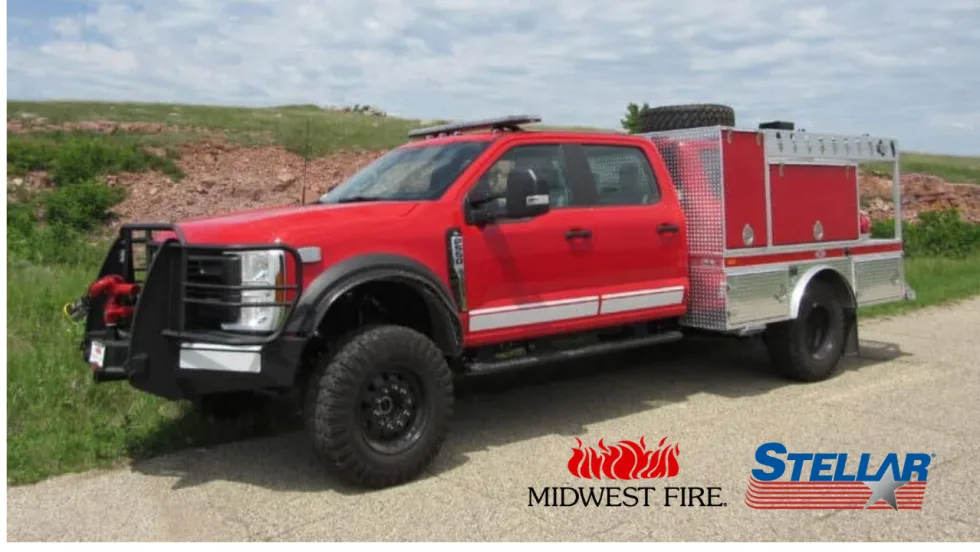
Stellar Expands into Fire Apparatus Market with Acquisition of Midwest Fire
Stellar Industries has acquired Midwest Fire, a custom fire apparatus manufacturer headquartered in Luverne, Minnesota, with nearly four decades of specialized apparatus experience.
Read More →