




Mercedes-Benz Debuts 2014 B-Class Electric Drive
The B-Class Electric Drive will see a launch in the U.S. in early 2014 and will be the first luxury battery electric car from Mercedes-Benz in the market.
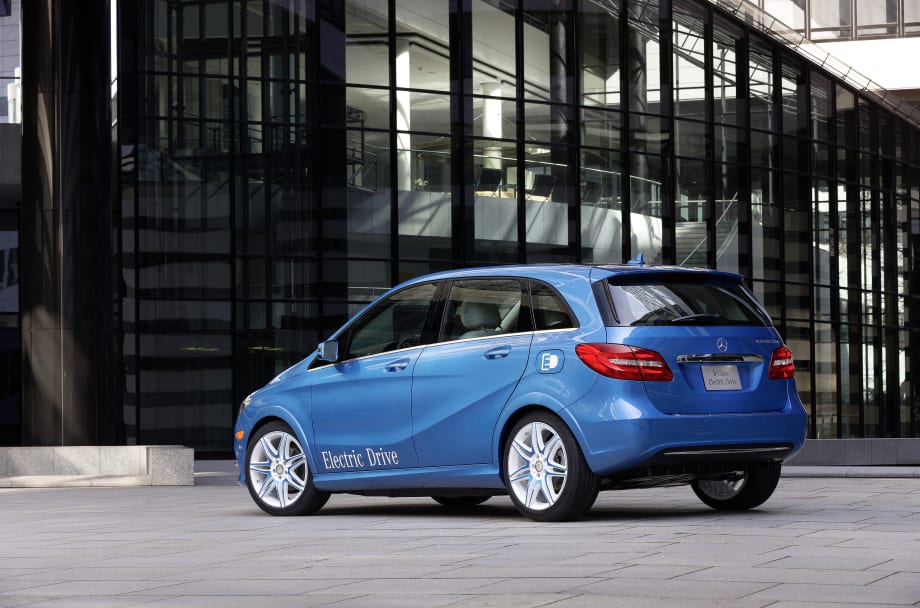
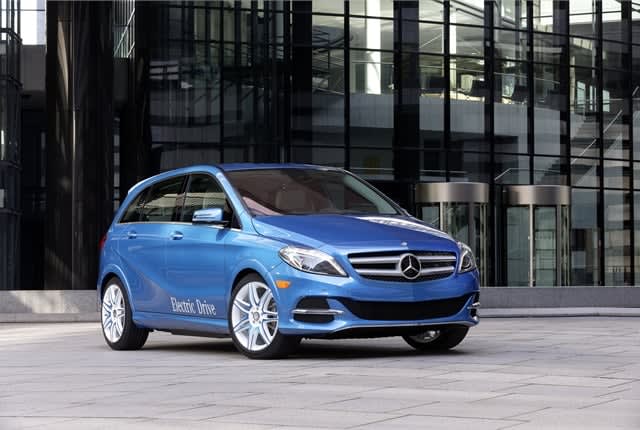
The Mercedes-Benz B-Class Electric Drive.
The all-new 2014 model year Mercedes-Benz B-Class Electric Drive made its world debut at the New York International Auto Show. The Electric Drive provides a high-torque electric motor for completely emissions-free driving with an estimated range of around 115 miles (200 km), according to the automaker.
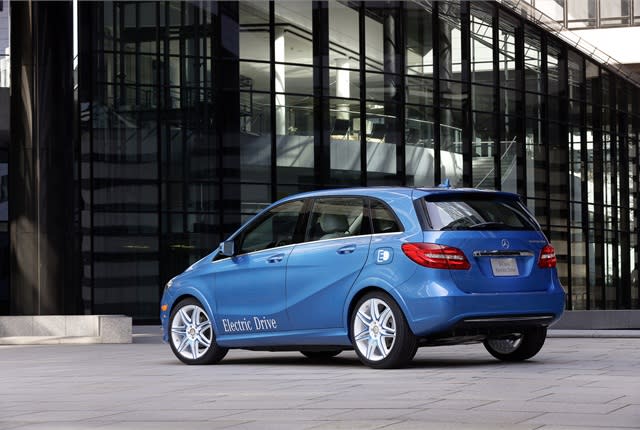
In addition, the B-Class Electric Drive is digitally networked. Thanks to its connectivity, it can be checked and configured via the internet. The B-Class Electric Drive will see a launch in the U.S. in early 2014 and will be the first luxury battery electric car from Mercedes-Benz.
The new Mercedes-Benz B-Class Electric Drive is based on the conventionally powered B-Class, which has become a bestseller in many countries since its market debut in 2011. In the U.S., the vehicle will only be introduced with battery electric drive, according to the company.
Quiet and locally emission-free drive power is provided by an electric motor with more than 134 hp (100 kW). Typically for an electric drive, the maximum torque of 228 lb.-ft. is available right from the first tap on the accelerator pedal – this roughly corresponds to the torque delivery of a modern gasoline engine with a displacement of 3.0 liters. This results in decidedly powerful acceleration from a standing start. For the standard sprint from 0 to 60 mph (100 km/h), the electric-powered B-Class requires less than 10 seconds.
The lithium-ion battery is accommodated in the "Energy Space" in the vehicle's underfloor. The packaging design allows the five-seater to retain the familiar, generous interior and luggage space of the B-Class.
The maximum speed is electronically limited to 100 mph (160 km/h) - in the interests of operating range. The range is around 115 miles (200 kilometers), according to the respective driving cycle. The battery of the B-Class Electric Drive can be recharged at any standard domestic power outlet. In the U.S., the charging time for a range of about 60 miles (100 kilometers) is less than 2 hours at 240v/40 A.
While the car is on the move, the electric drive itself contributes to a favorable energy balance by converting kinetic energy into electric current on the overrun and during braking, and feeds this energy into the battery (recuperation).
Preliminary Technical Data
Output: | more than 134 hp (100 kW) |
Torque: | more than 228 lb.-ft. |
Range: | 115 miles [US City], 200 km [NEFZ] |
Charging time for a range of | USA: 2 hours 40 A/240 V |
Acceleration 0-60 mph: | under 10 seconds |
Top speed: | 100 mph (160 km/h), |
Performance:
2014 B-Class Electric Drive (134 hp/100 kW, 228 lb.-ft.)
Standard Feature Highlights:
28 kWh lithium-ion battery
Charging time range for 60 miles: 2 hours
0-60 in less than 10 seconds
COLLISION PREVENTION ASSIST w/ Adaptive Brake Assist
Audio 20 with 5.8" color screen
MP3-capable CD player and USB connection
Becker MAP PILOT
LED daytime running lamp
Optional Feature Highlights:
COMAND Online with internet access, navigation and voice control
Blind Spot Assist
Lane Keeping Assist
Active Parking Assist
More Small Fleet

Developing Budget-Friendly Driver Safety Programs
From driver training and safety meetings to one-on-one coaching and incentive programs, several small fleets share how they have developed a safety culture with their drivers using low- to no-cost resources.
Read More →
Boosting Last-Mile Fleet Uptime, Safety, and Value with AI Vehicle Inspections
AI-powered inspections are transforming last-mile fleets by replacing manual checks with highly accurate automated scans that detect defects in seconds. By giving fleet operations visibility into the daily condition of their vehicles, you can identify trends over the vehicle’s lifecycle that enable improved procurement decisions, route management, driver training and accountability.
Read More →
Five Ways Seat Belts Help Prevent Injuries
There are five ways seat belts protect occupants from injuries, according to the Tennessee Department of Safety and Homeland Security.
Read More →
It’s here: The 2026 Fleet Technology Trends Report
What does AI mean for fleets? Get the answer — and learn other top tech trends.
Read More →
Small Fleets, Big Impact: How Independent Drivers Power Wreaths Across America
Check out how small fleets and independent drivers power Wreaths Across America each December and why their impact matters more than ever.
Read More →
VMS Survey Finds 65% of Small Fleet Managers Run Operations Alone
A new VMS survey shows small fleet managers are stretched thin, with most handling operations solo and eager to adopt digital tools for relief.
Read More →
Tips for Driving Safely on Halloween Night
This video features a reminder from the Connecticut Department of Transportation (DOT) and the Connecticut Police Chiefs Association, urging drivers to prioritize safety this Halloween.
Read More →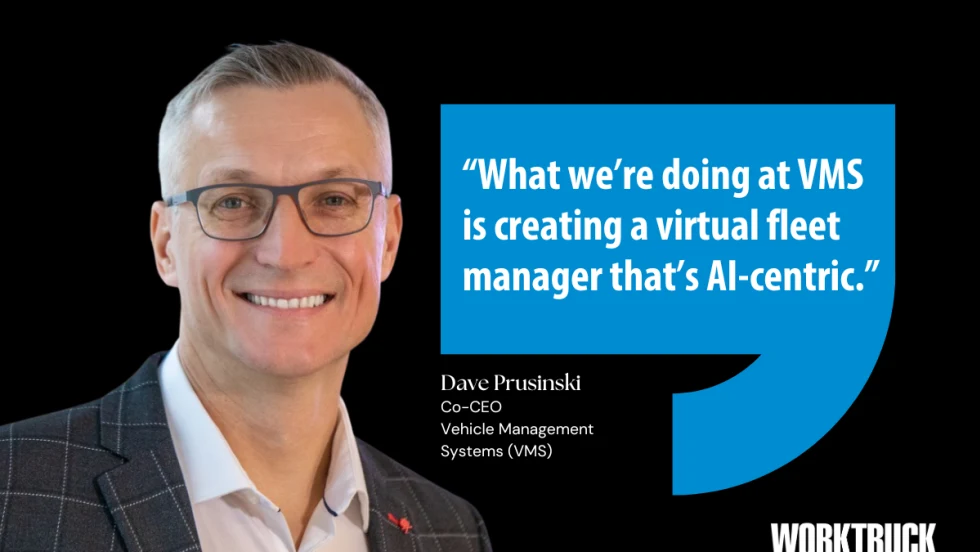
AI, Access, and Uptime: VMS’s Next Chapter with David Prusinski
VMS’s new Co-CEO, David Prusinski, shares how an AI-first approach will give small fleets and repair shops the tools to compete like big players.
Read More →
Fleet Managers Share Winter Prep Tips: It's Never Too Early!
Three fleets share best practices to prep vehicles for winter and prevent downtime when the cold sets in.
Read More →