




Low IRS Reimbursement Rate Raises Ire Among Drivers
I.R.S. reimbursement rate of 40.5 cents per mile does not cover actual driving costs. Some drivers have lobbied companies for a higher rate. GE Fleet says padding of mileage drops when companies switch to company-owned vehicles.
Corporate America is asking its workers to subsidize high gas prices, said a spokesman for Runzheimer International in an August 9 New York Times article. The Rochester, Wis.-based company helps create the I.R.S. standard mileage reimbursement rate. In late 2004, AAA calculated that driving a 2005 Ford Taurus SEL for 10,000 miles would cost 69.1 cents a mile this year. That’s more than 70 percent higher than the 40.5-cent rate allowed by the Internal Revenue Service. Yet with gas now averaging $2.33, the real cost per mile would be about 2 cents higher, or 71 cents. The inequity is most apparent in cities with higher gas and insurance prices than the national average. "If you are using the I.R.S. rate, you are effectively asking your employees to subsidize the cost of operating their vehicle," Lee Czarapata, Runzheimer's director of client relations, said in the article. Czarapata said the I.R.S. rate was never meant to be a reimbursement number. Instead, it is a conglomeration of all operating and fixed costs of a hypothetical "base" vehicle, and is intended to be used only when a taxpayer does not have receipts to substantiate the business use of a vehicle. "The actual cost, depending on where you are, is 50 cents or more per mile," he said. Many businesses use the rate because they know the I.R.S. is unlikely to question it, he said. But the perception that employers are asking for a free ride has increased workplace tensions in some cases. Richard Browne, the director of telecommunications for a health care newsletter publisher in Chevy Chase, Md., said his sales representatives, who spend an average of three days a week on the road, recently lobbied for a 10-cent-a-mile increase above the I.R.S. rate. The company reluctantly agreed to a 3-cent increase for some employees, which he said covers only some of their expenses. General Electric Fleet Services estimates that the mileage reported by employees falls by 30 percent when companies switch from reimbursing them to providing cars - a trend that suggests a certain amount of padding.
More Small Fleet

Tips for Driving Safely on Halloween Night
This video features a reminder from the Connecticut Department of Transportation (DOT) and the Connecticut Police Chiefs Association, urging drivers to prioritize safety this Halloween.
Read More →
Simple Tire Checks That Help Keep Your Business Fleet Moving
A survey found that nearly one in every 10 passenger vehicles has at least one bald tire. What's more, 27% -- more than one in four -- of vehicles are driven with one or more severely under-inflated tires.
Read More →
Developing Budget-Friendly Driver Safety Programs
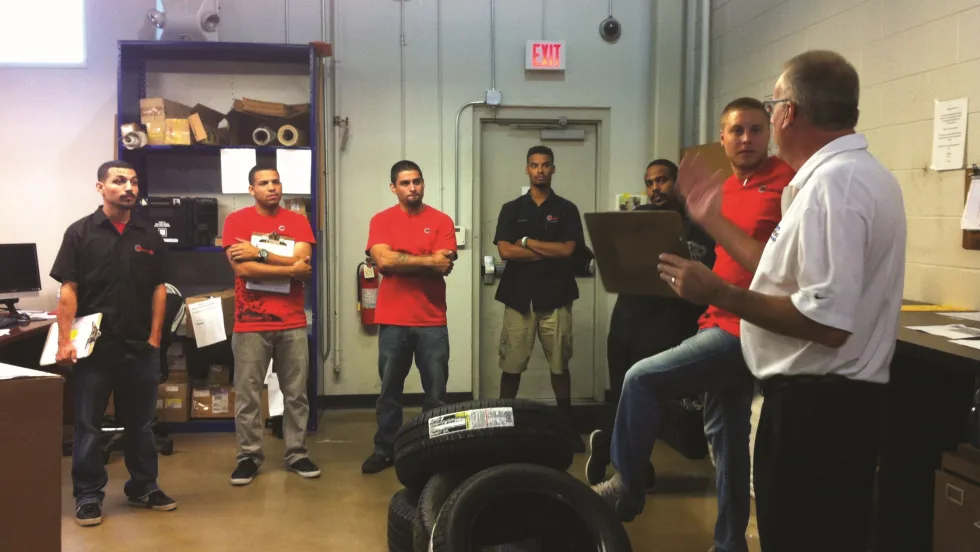
From driver training and safety meetings to one-on-one coaching and incentive programs, several small fleets share how they have developed a safety culture with their drivers using low- to no-cost resources.
Read More →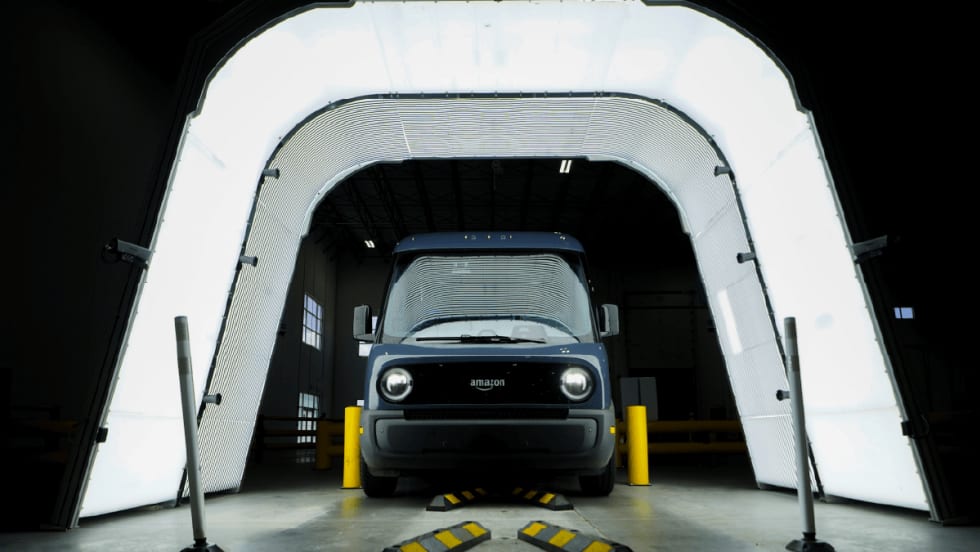
Boosting Last-Mile Fleet Uptime, Safety, and Value with AI Vehicle Inspections
AI-powered inspections are transforming last-mile fleets by replacing manual checks with highly accurate automated scans that detect defects in seconds. By giving fleet operations visibility into the daily condition of their vehicles, you can identify trends over the vehicle’s lifecycle that enable improved procurement decisions, route management, driver training and accountability.
Read More →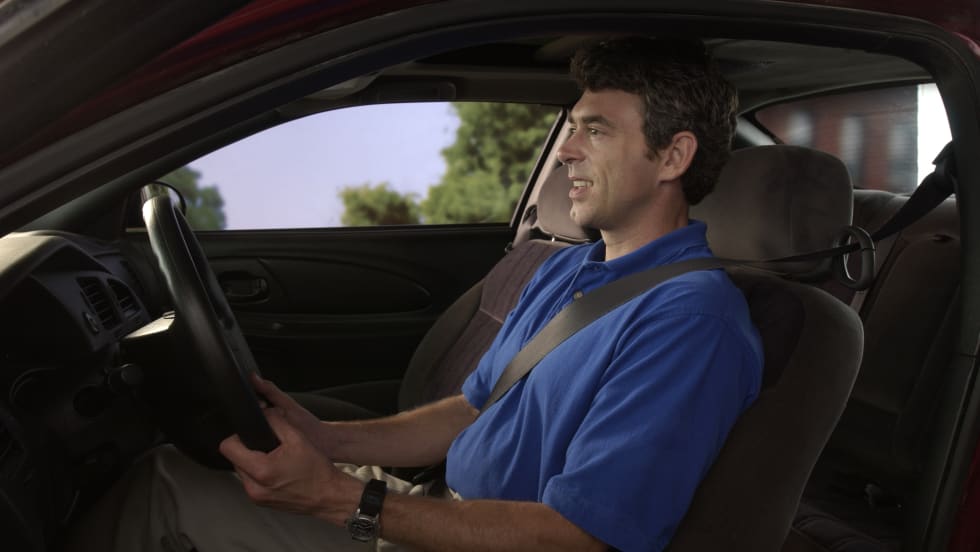
Five Ways Seat Belts Help Prevent Injuries
There are five ways seat belts protect occupants from injuries, according to the Tennessee Department of Safety and Homeland Security.
Read More →
Basic Tracking vs Next Generation Fleet Technology
Fleet software is getting more sophisticated and effective than ever, tying big data models together to transform maintenance, safety, and the value of your existing tech stack. Fleet technology upgrades are undoubtedly an investment, but updated technology can offer a much higher return. Read how upgrading your fleet technology can increase the return on your investment.
Read More →
It’s here: The 2026 Fleet Technology Trends Report
What does AI mean for fleets? Get the answer — and learn other top tech trends.
Read More →
Small Fleets, Big Impact: How Independent Drivers Power Wreaths Across America
Check out how small fleets and independent drivers power Wreaths Across America each December and why their impact matters more than ever.
Read More →
VMS Survey Finds 65% of Small Fleet Managers Run Operations Alone
A new VMS survey shows small fleet managers are stretched thin, with most handling operations solo and eager to adopt digital tools for relief.
Read More →