




Isuzu Truck Announces 2009 N-Series Low Cab Forward Trucks
New features increase driver productivity, enhance fuel economy and reduce emissions.
Isuzu Commercial Truck of America has announced its 2009 N-Series line-up of low cab forward trucks with new features to increase driver productivity, enhance fuel economy and reduce emissions.
The front suspensions, spring rates, steering and cab mount bushings have been tuned for more comfort and a better ride. A new optional limited slip differential distributes torque evenly to the wheels, an important feature for trucks driven on surfaces where loss of traction may occur. In the area of pollution control, all Isuzu diesel trucks are now 50-state “Clean Idle Certified.”
All N-Series diesel models incorporate a data recording module that can provide a vehicle health report showing the condition of the engine, transmission, emissions and brakes, plus fuel economy and driver operating habits.
An electronic braking distribution system balances brake pressure to all wheels by automatically adjusting to the load’s weight distribution.
More wheelbases have been added to accommodate the widest possible range of bodies. Wheelbase choices from 109 to 212 inches handle bodies from 10 to 24 feet in length. GVWRs offerings range from 12,000 lbs. to 19,500 lbs.
The cab has rust and corrosion protection provided by galvanized steel panels, electro-deposit paint primer and enamel paint topcoat. Unitary construction, rigidity and strong reinforcements add to cab durability and safety.
For more information or to request a quote from a local dealer, visit www.isuzucv.com or call (866) 441-9638.
More Small Fleet

Developing Budget-Friendly Driver Safety Programs
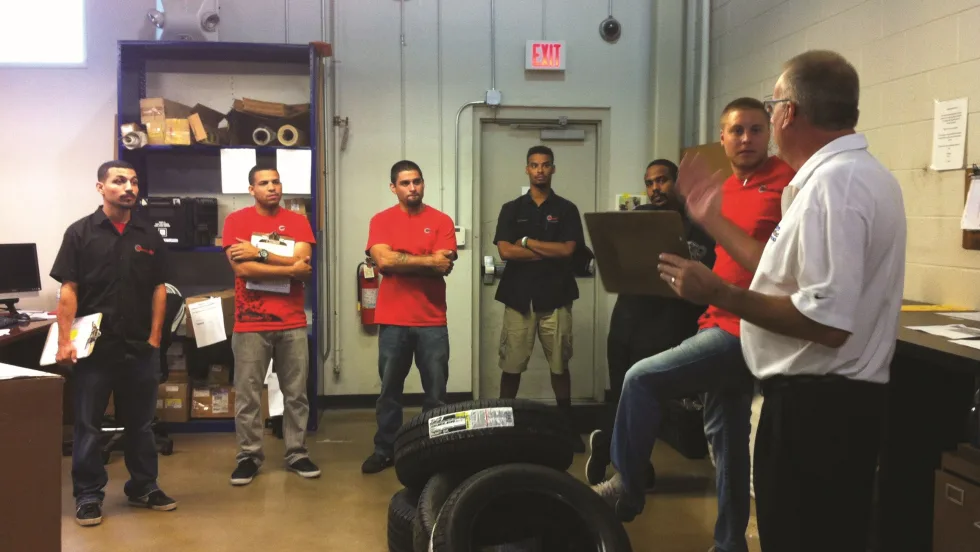
From driver training and safety meetings to one-on-one coaching and incentive programs, several small fleets share how they have developed a safety culture with their drivers using low- to no-cost resources.
Read More →
Boosting Last-Mile Fleet Uptime, Safety, and Value with AI Vehicle Inspections
AI-powered inspections are transforming last-mile fleets by replacing manual checks with highly accurate automated scans that detect defects in seconds. By giving fleet operations visibility into the daily condition of their vehicles, you can identify trends over the vehicle’s lifecycle that enable improved procurement decisions, route management, driver training and accountability.
Read More →
Five Ways Seat Belts Help Prevent Injuries
There are five ways seat belts protect occupants from injuries, according to the Tennessee Department of Safety and Homeland Security.
Read More →
It’s here: The 2026 Fleet Technology Trends Report
What does AI mean for fleets? Get the answer — and learn other top tech trends.
Read More →
Small Fleets, Big Impact: How Independent Drivers Power Wreaths Across America
Check out how small fleets and independent drivers power Wreaths Across America each December and why their impact matters more than ever.
Read More →
VMS Survey Finds 65% of Small Fleet Managers Run Operations Alone
A new VMS survey shows small fleet managers are stretched thin, with most handling operations solo and eager to adopt digital tools for relief.
Read More →
Tips for Driving Safely on Halloween Night
This video features a reminder from the Connecticut Department of Transportation (DOT) and the Connecticut Police Chiefs Association, urging drivers to prioritize safety this Halloween.
Read More →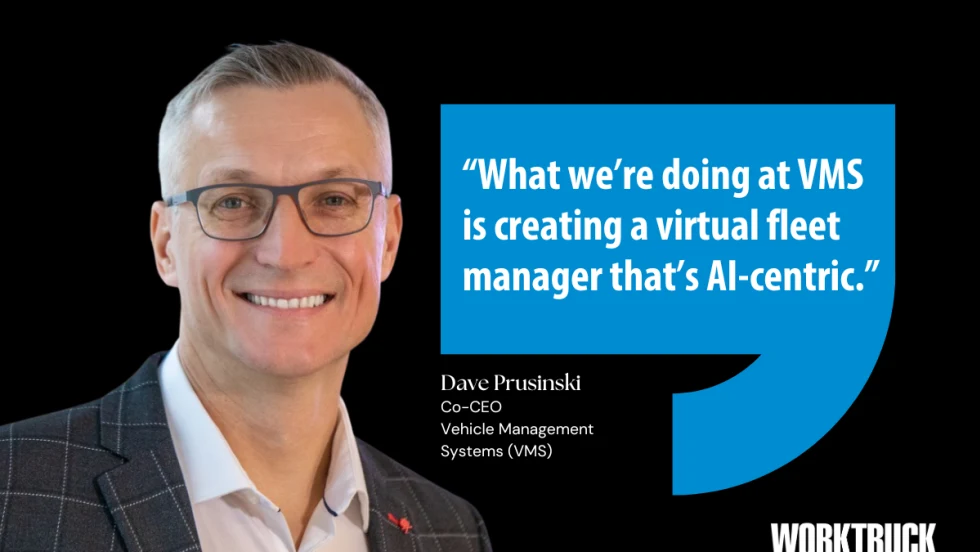
AI, Access, and Uptime: VMS’s Next Chapter with David Prusinski
VMS’s new Co-CEO, David Prusinski, shares how an AI-first approach will give small fleets and repair shops the tools to compete like big players.
Read More →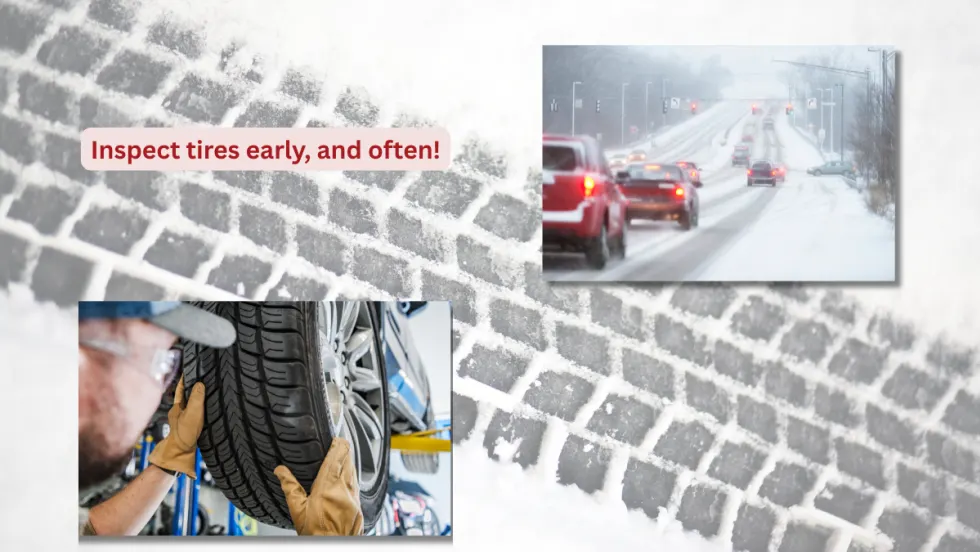
Fleet Managers Share Winter Prep Tips: It's Never Too Early!
Three fleets share best practices to prep vehicles for winter and prevent downtime when the cold sets in.
Read More →