




Is Volvo's Intelligent Truck a Smartphone on Wheels?
Today, there are about 175,000 online-connected Volvo trucks on Europe’s roads. A number of them can already today send information about when they need maintenance and some of the necessary service work can even be administrated remotely.

Photo: Volvo

Photo: Volvo
Today, there are about 175,000 online-connected Volvo trucks on Europe’s roads. A number of them can already today send information about when they need maintenance and some of the necessary service work can even be administrated remotely. According to the automaker, is just the beginning.
“In coming few years, for instance, the truck will be able to monitor its own health in real time, promoting easier and quicker service which leads to higher productivity for all concerned – drivers, workshops and haulage firms,” says Hayder Wokil, director Quality & Uptime at Volvo Trucks.
In the future, Volvo predicts the truck will also make workshop administration easier by booking its own service as and when necessary, booking the appropriate mechanics for the relevant jobs and advance-ordering the necessary parts for delivery to the workshop. Repairs will be able to be performed wherever the truck happens to be and will be carried out at an appropriate time in its working schedule.
“Service will be synchronized with the truck’s operating timetable and will be booked at the nearest workshop at a time when the vehicle would in any case not be in operation, for instance at night or when the driver has to take a legislated break. Via online connectivity the truck will also be able to carry out simple self-repairs remotely,” said Wokil.
Tomorrow’s truck will also enable more flexibility. As the connectivity potential for trucks continues developing, vehicles will be able to be specified to suit each individual assignment, which in turn promotes more efficient operation, according to the automaker.
“The next generation of trucks will be increasingly personalized and will, for example, be able to be tailored to match the operator’s needs and driving style. It will also be able to update its own configuration to suit specific transport assignments,” explained Wokil.
One important prerequisite for utilizing the benefits of connectivity is the collection of large quantities of data, according to the automaker.
According to Per Adamsson, director Strategy & Business Development at Volvo Group Telematics, today’s trucks will follow the trend shown by smartphones in recent years. In the automotive industry there is talk about “The Smartphone on Wheels Evolution.”
“In the near future trucks will be able to communicate with other road users as well as with mobile remotely enabled devices such as cycle helmets, helping to cut the risk of accidents and reducing unplanned standstills,” said Adamsson. “Thanks to online connectivity, in the future the truck will also be able to independently monitor traffic status and select the most efficient route if there are traffic jams or roadwork up ahead.”
However, even if much of the technology for realizing tomorrow’s truck already exists today, it may take some time before the next-generation scenario becomes reality, according to the automaker.
“The biggest challenge lies in sifting through the massive amount of data we collect from our vehicles. The infrastructure for connectivity throughout the world also needs to be further developed before we can transform next-generation vision into everyday reality,” said Wokil.
There are four future trends that will guide the transport industry according to Volvo:
Smart services: In addition to predicting faults, truck manufacturers will, in another few years, be able to better understand why faults occur in the first place – before they occur. The vehicle will also be able to rectify minor faults on its own and issue an alert and book its own service before a problem arises.
Less administration: In the future, service will involve far less administration for the haulage firm and workshop since the truck will be able to handle most of this itself, such as booking service and downloading and updating its own on-board software.
Connected devices: In the future all the products around us, such as watches, jackets and cycle helmets, will be able to communicate directly with one another as long as the connection adds values. Tomorrow’s wristwatch, for example, will not just show the time, it will also be able to monitor the driver’s pulse and issue an alert and even activate autopilot if something happens to the driver.
Personalization: The more information the truck manufacturer has about who is behind the wheel and who owns the truck, the easier it becomes to individually tailor the truck to match specific driving styles and transport assignments.
Originally posted on Automotive Fleet
More Vehicle Research
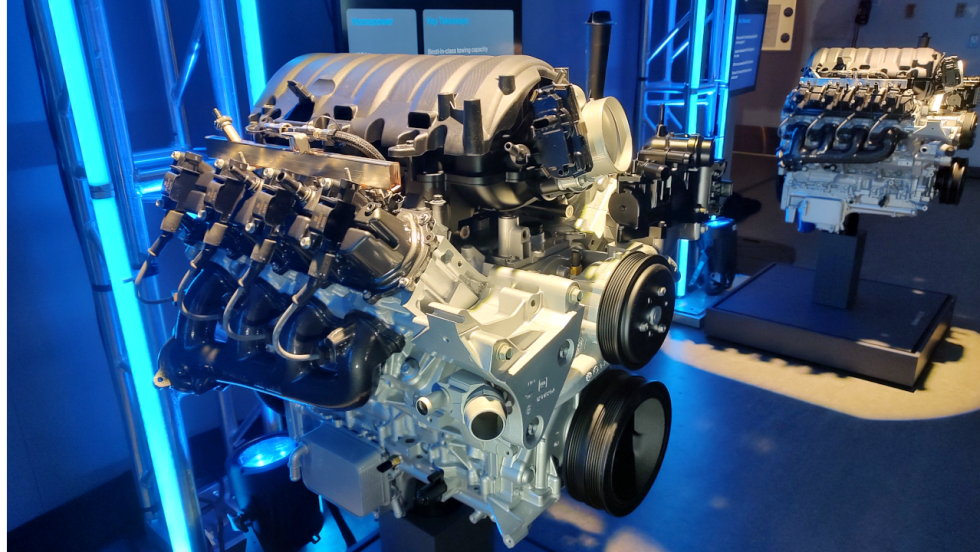
GM Unveils New Sixth-Generation Small Block Engines for 2027 Light-Duty Pickups
General Motors unveiled two new small-block engines, backed by extensive real-world validation and more than 70 years of small-block V8 manufacturing experience, as part of the engine portfolio for the 2027 Chevrolet Silverado 1500 and GMC Sierra 1500.
Read More →
Chevrolet Silverado 1500 Fleet Guide Specs Capability and 2027 Model-Year Updates
The next-generation 2027 Chevrolet Silverado 1500 brings new V-8 engines, updated technology, expanded safety features, and a fleet-focused Work Truck. Here’s what commercial fleets need to know so far.
Read More →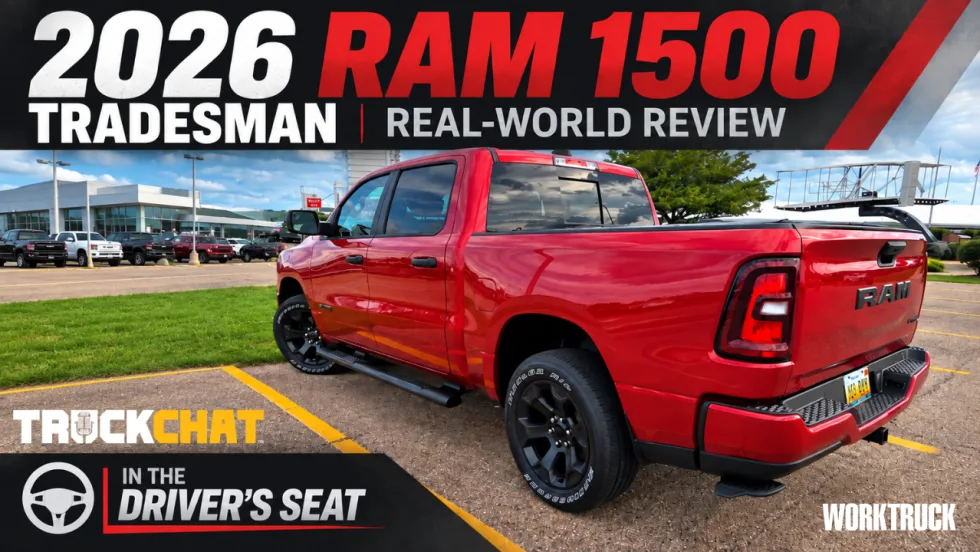
2026 Ram 1500 Tradesman Put to a Real-World Fleet Test
A few days behind the wheel of a 2026 Ram 1500 Tradesman turned into a test of visibility, parking, work-ready features, and even severe-weather driving.
Read More →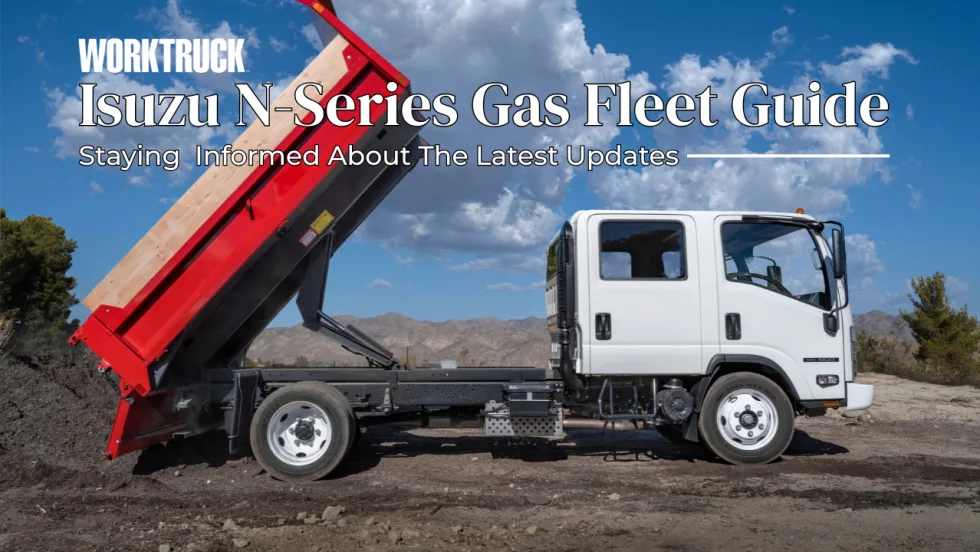
Isuzu N-Series Gas Fleet Guide: Specs, Capability and 2027 Model-Year Updates
Explore Isuzu Truck North America’s N-Series Gas fleet specs, engine performance, GVWR and payload capability, configurations, chassis dimensions, work-focused features, and 2027 model-year information.
Read More →
Ram ProMaster City Fleet Guide Specs Cargo Capacity and 2027 Updates
Work Truck’s Ram ProMaster City Fleet Guide tracks the latest specifications, cargo capability, configurations, fleet technology, pricing, and model-year updates for Ram’s mid-size commercial van.
Read More →
Ford F-150 Fleet Guide Specs Capability and 2026 Model-Year Updates
Explore 2026 Ford F-150 fleet specs, engines, towing and payload capability, configurations, work features, technology, and model-year updates.
Read More →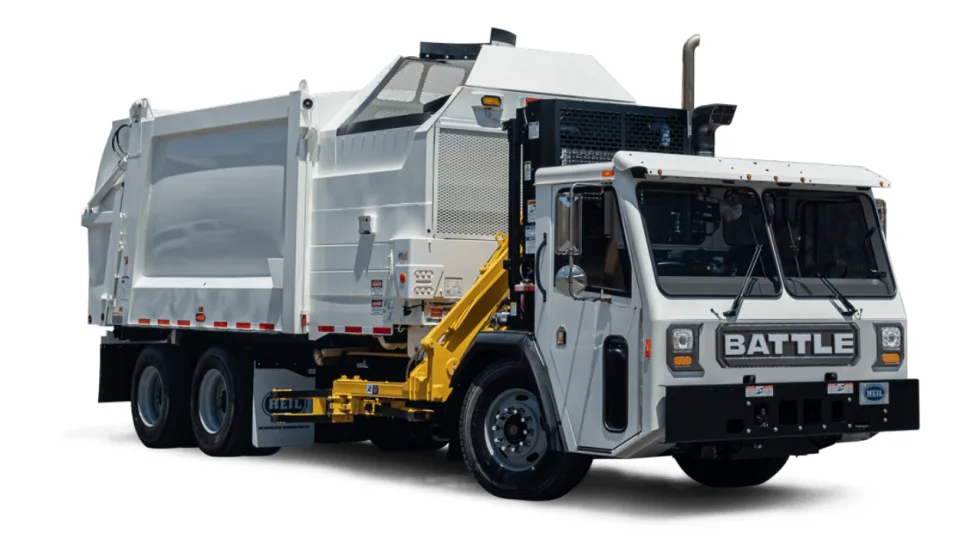
TCI Now Sells & Supports Battle Motors’ Vocational Trucks
Midwest truck dealer Truck Centers, Inc. (TCI) has expanded its transportation solutions with sales and service support for Battle Motors’ heavy-duty vocational trucks at locations in locations in Indiana, Illinois, and Missouri
Read More →
Ram 1500 Fleet Guide Specs, Capability and 2027 Model-Year Updates
Explore always up-to-date Ram 1500 fleet specs, engines, towing and payload capability, configurations, technology, pricing updates, and model-year changes.
Read More →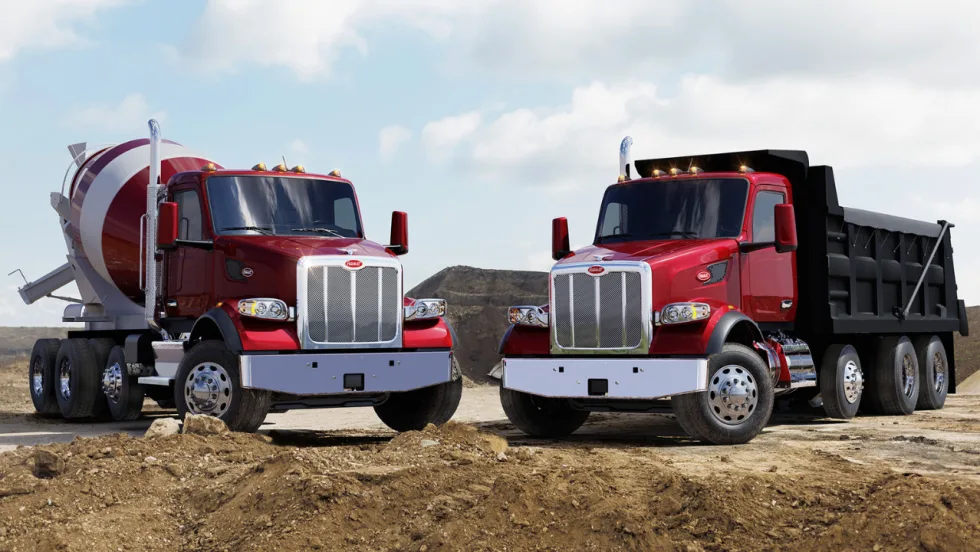
Peterbilt Trucks Equipped with Paccar TX-18 Pro Boost Efficiency for Maryland Fleet
Patuxent Companies is replacing aging trucks with the Peterbilt Model 567 and Model 589, specified with the Paccar TX-18 Pro 18-speed automated transmissions, and is reporting an 8% to 10% improvement in fuel economy.
Read More →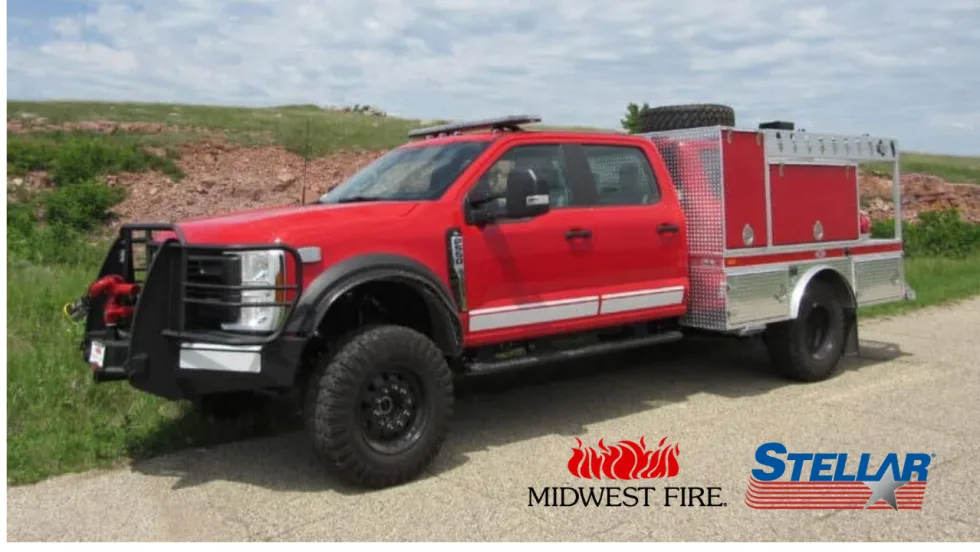
Stellar Expands into Fire Apparatus Market with Acquisition of Midwest Fire
Stellar Industries has acquired Midwest Fire, a custom fire apparatus manufacturer headquartered in Luverne, Minnesota, with nearly four decades of specialized apparatus experience.
Read More →