




Hyundai Truck Introduces Model Line
Hyundai Truck America (HTA) has held an inaugural meeting of its dealer body Atlantic City, N.J., where company staff introduced the new truck line for America and outlined dealer support activities, according to just-auto.com. HTA will begin marketing light- and medium-duty trucks next month in the United States. The unit of Hyundai Motor will be headed by Y.J. Choo and service an initial dealer group with more than 30 locations nationwide, just-auto.com said. HTA will offer its HLD150 Class 4 light duty and its HMD230 and HMD260 Class 6 medium duty trucks, according to just-auto.com. The cab-over-engine trucks are available in an extensive selection of wheelbases and feature extended cabs which provide additional storage room behind the front seats. The trucks are claimed to be well suited for a wide range of applications from pick up and delivery to the nursery-landscape, towing-wrecker and food service industries. Warranty cover includes a two-year unlimited-miles coverage for the basic body and chassis. On the HLD150, the Detroit Diesel engine and Allison transmission is warranted for three years and unlimited miles while on the HMD230 and HMD260, the Cummins engine and ZF transmission are protected by a two-year unlimited miles warranty, just-auto.com reported. HTA will provide dealer technical and warranty training at its Jamesburg, N.J., headquarters, and at a second training facility to be located in Miami, Fla. "We know that the U.S. truck market is a very competitive and difficult market. We will try to meet the challenges of being in the United States with Hyundai's commercial vehicle products while trying to reach the highest levels of customer satisfaction," said Johng-Sik Choi, executive vice president of Hyundai Motor's commercial vehicle division.
More Small Fleet

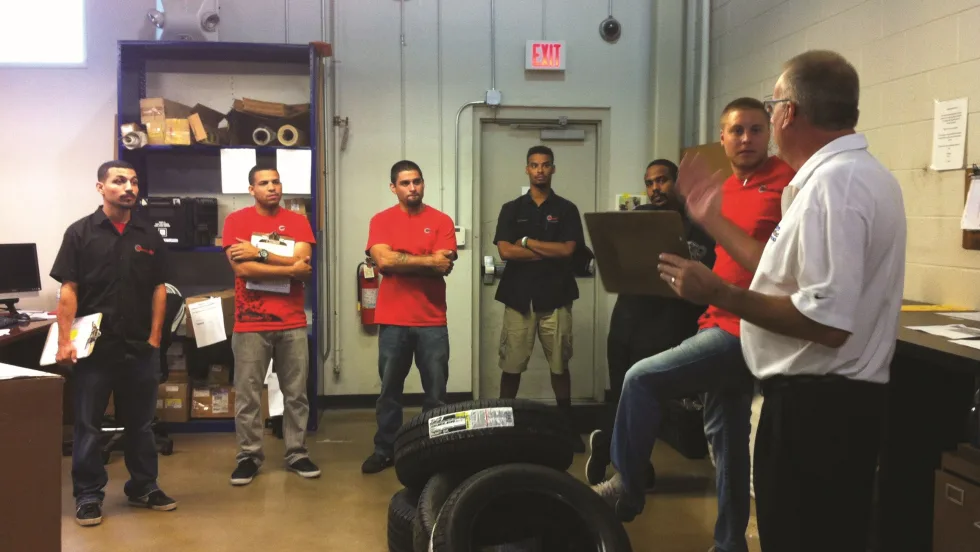
Developing Budget-Friendly Driver Safety Programs
From driver training and safety meetings to one-on-one coaching and incentive programs, several small fleets share how they have developed a safety culture with their drivers using low- to no-cost resources.
Read More →
Boosting Last-Mile Fleet Uptime, Safety, and Value with AI Vehicle Inspections
AI-powered inspections are transforming last-mile fleets by replacing manual checks with highly accurate automated scans that detect defects in seconds. By giving fleet operations visibility into the daily condition of their vehicles, you can identify trends over the vehicle’s lifecycle that enable improved procurement decisions, route management, driver training and accountability.
Read More →
Five Ways Seat Belts Help Prevent Injuries
There are five ways seat belts protect occupants from injuries, according to the Tennessee Department of Safety and Homeland Security.
Read More →
It’s here: The 2026 Fleet Technology Trends Report
What does AI mean for fleets? Get the answer — and learn other top tech trends.
Read More →
Small Fleets, Big Impact: How Independent Drivers Power Wreaths Across America
Check out how small fleets and independent drivers power Wreaths Across America each December and why their impact matters more than ever.
Read More →
VMS Survey Finds 65% of Small Fleet Managers Run Operations Alone
A new VMS survey shows small fleet managers are stretched thin, with most handling operations solo and eager to adopt digital tools for relief.
Read More →
Tips for Driving Safely on Halloween Night
This video features a reminder from the Connecticut Department of Transportation (DOT) and the Connecticut Police Chiefs Association, urging drivers to prioritize safety this Halloween.
Read More →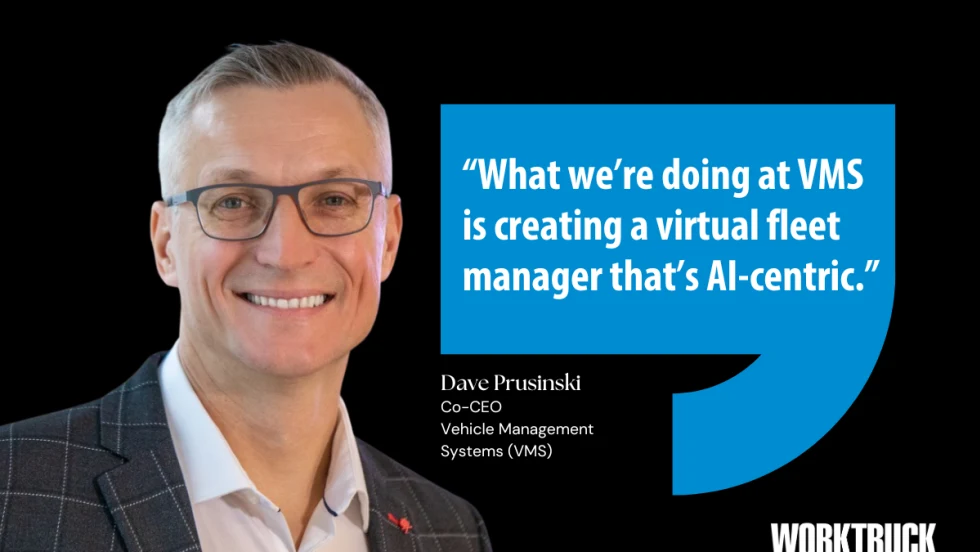
AI, Access, and Uptime: VMS’s Next Chapter with David Prusinski
VMS’s new Co-CEO, David Prusinski, shares how an AI-first approach will give small fleets and repair shops the tools to compete like big players.
Read More →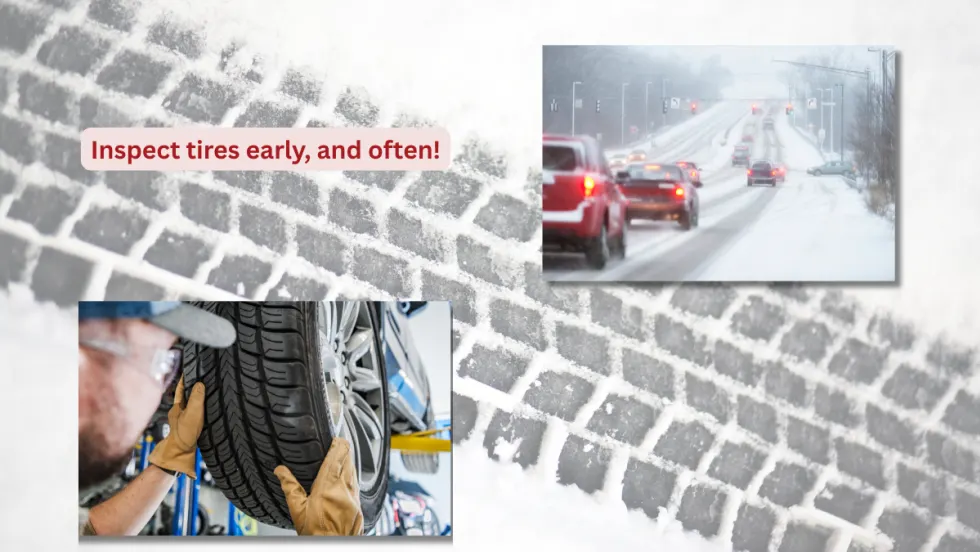
Fleet Managers Share Winter Prep Tips: It's Never Too Early!
Three fleets share best practices to prep vehicles for winter and prevent downtime when the cold sets in.
Read More →