




Hyundai, Enova and State of Hawaii Announce Electric-Vehicle Program

Enova Systems of Torrance, Calif., has announced an agreement with the State of Hawaii and Hyundai Motor Company to introduce OEM electric vehicles into fleet use in Hawaii. On Nov. 20, Hawaii Gov. Benjamin J. Cayetano hosted representatives from Enova Systems, the High Technology Development Corp. (HTDC) and Hyundai Motor Co. (HMC) at his executive offices at the state Capitol, as they announced their partnership making Hawaii the introductory site in the United States for HMC's newly developed zero-emission Santa Fe Electric SUV. These vehicles utilize electric propulsion, charge management and battery thermal management systems developed by Enova, which has operated an electric-vehicle maintenance and service facility in Hawaii since 1994. "We are pleased that Hyundai has selected Hawaii for the introduction of their new electric vehicle," Gov. Cayetano said. "The state is committed to keeping our clean air free from pollution, and this step for Hyundai shows a great confidence in Hawaii's efforts to make electric vehicles a viable, zero-emission transportation option." Two years ago, HTDC, through its Hawaii Electric Vehicle Demonstration Project (HEVDP), initiated a program to make Hawaii the first EV-ready state in the country through the installation of rapid- charging stations. The goal of this bold initiative was to show the world Hawaii's commitment by providing the needed infrastructure for consumer acceptance of battery-powered vehicles. The event announced the next big leap forward in the process toward making electric vehicles the standard by adding advanced technology vehicles from HMC that utilize the charging infrastructure that has been set in place. Thomas L. Quinn, director of HEVDP, is responsible for bringing together all of the pieces to form this strategic partnership. "Enova's long working relationship with the State of Hawaii, the people at Hyundai Motor Co. and other key players such as Hawaiian Electric Co. (HECO) has been very exciting and dynamic," said Carl Dean Perry, president of Enova Systems. "Tom has been, and continues to be, the visionary and facilitator of this project. Without him, Hawaii could not have achieved this landmark of becoming the launching site for such a crucial project with significant global implications." Hawaii is an ideal test site because of its controlled environment and temperate climate, and the presence of Enova Systems as the "home-base" support facility that will handle all of the maintenance and operations of the test fleet. The test period will run for two years, starting in June 2001, and utilize a fleet of 15 Hyundai Santa Fe SUVs to be used by four participating sectors on O'ahu-Hickam AFB, HECO, the city and county of Honolulu, and the state of Hawaii. HTDC is the overseer of the entire project. Hyundai is providing the vehicles, and HECO is providing the charger installations and electricity. Eventually, the charging infrastructure will be available throughout the state. On a global level, there is now a market pull that has provided impetus to support the creation of alternative transportation and energy systems, for both environmental and economic reasons. HEVDP was established in 1993 by HTDC through a federal grant from the Defense Advanced Research Projects Agency (DARPA) and is one of seven regional consortia in the United States developing advanced technology for electric and hybrid-electric vehicles. This activity continues following a recent transition of the consortia to the Department of Transportation's Advanced Vehicle Technologies Program. Administrative oversight for the state's EV Program is provided by the Department of Business Economic Development and Tourism. Enova Systems, with headquarters in Torrance, Calif., and offices in Hawaii and South Korea, is a designer, developer and manufacturer of electric, hybrid-electric and fuel-cell propulsion systems and components for the global vehicle market.
More Small Fleet

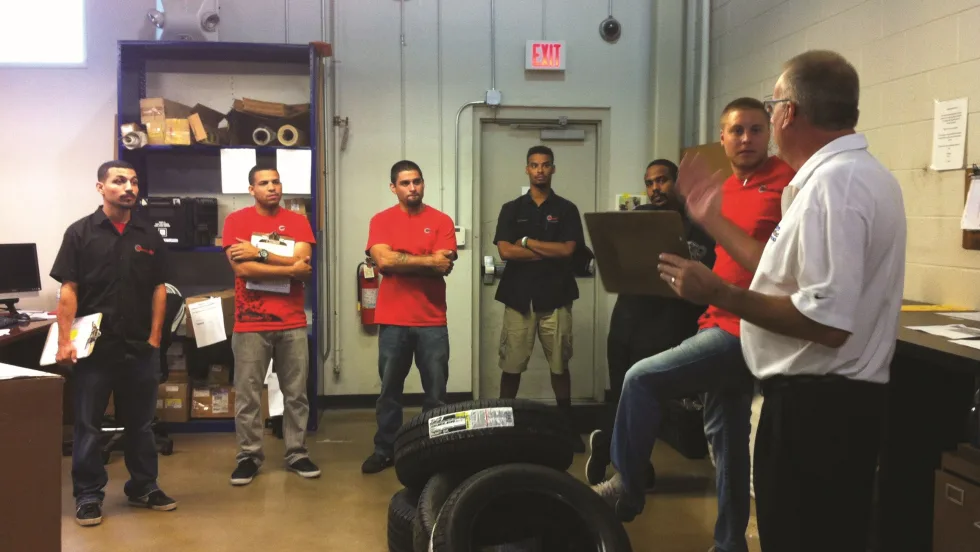
Developing Budget-Friendly Driver Safety Programs
From driver training and safety meetings to one-on-one coaching and incentive programs, several small fleets share how they have developed a safety culture with their drivers using low- to no-cost resources.
Read More →
Boosting Last-Mile Fleet Uptime, Safety, and Value with AI Vehicle Inspections
AI-powered inspections are transforming last-mile fleets by replacing manual checks with highly accurate automated scans that detect defects in seconds. By giving fleet operations visibility into the daily condition of their vehicles, you can identify trends over the vehicle’s lifecycle that enable improved procurement decisions, route management, driver training and accountability.
Read More →

Five Ways Seat Belts Help Prevent Injuries
There are five ways seat belts protect occupants from injuries, according to the Tennessee Department of Safety and Homeland Security.
Read More →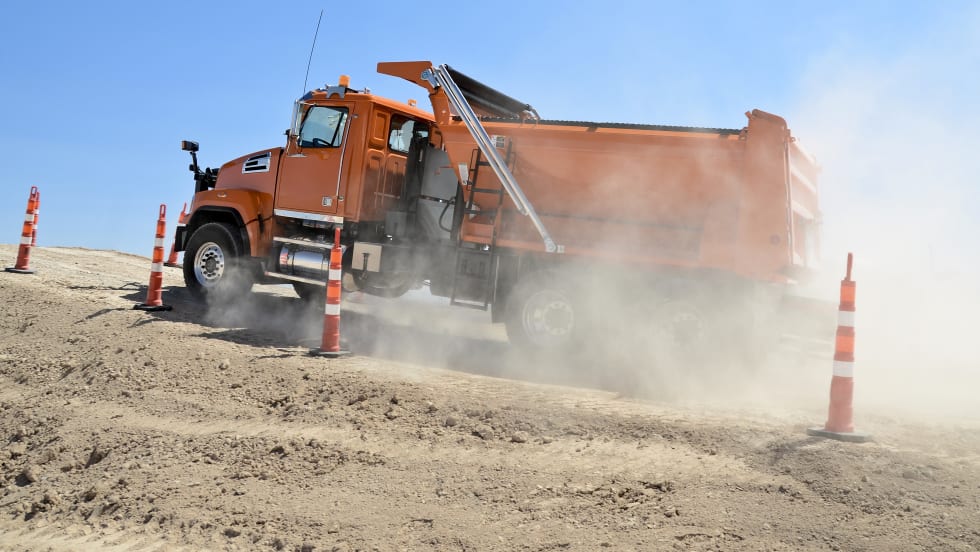
Basic Tracking vs Next Generation Fleet Technology
Fleet software is getting more sophisticated and effective than ever, tying big data models together to transform maintenance, safety, and the value of your existing tech stack. Fleet technology upgrades are undoubtedly an investment, but updated technology can offer a much higher return. Read how upgrading your fleet technology can increase the return on your investment.
Read More →
It’s here: The 2026 Fleet Technology Trends Report
What does AI mean for fleets? Get the answer — and learn other top tech trends.
Read More →
Small Fleets, Big Impact: How Independent Drivers Power Wreaths Across America
Check out how small fleets and independent drivers power Wreaths Across America each December and why their impact matters more than ever.
Read More →
VMS Survey Finds 65% of Small Fleet Managers Run Operations Alone
A new VMS survey shows small fleet managers are stretched thin, with most handling operations solo and eager to adopt digital tools for relief.
Read More →
Tips for Driving Safely on Halloween Night
This video features a reminder from the Connecticut Department of Transportation (DOT) and the Connecticut Police Chiefs Association, urging drivers to prioritize safety this Halloween.
Read More →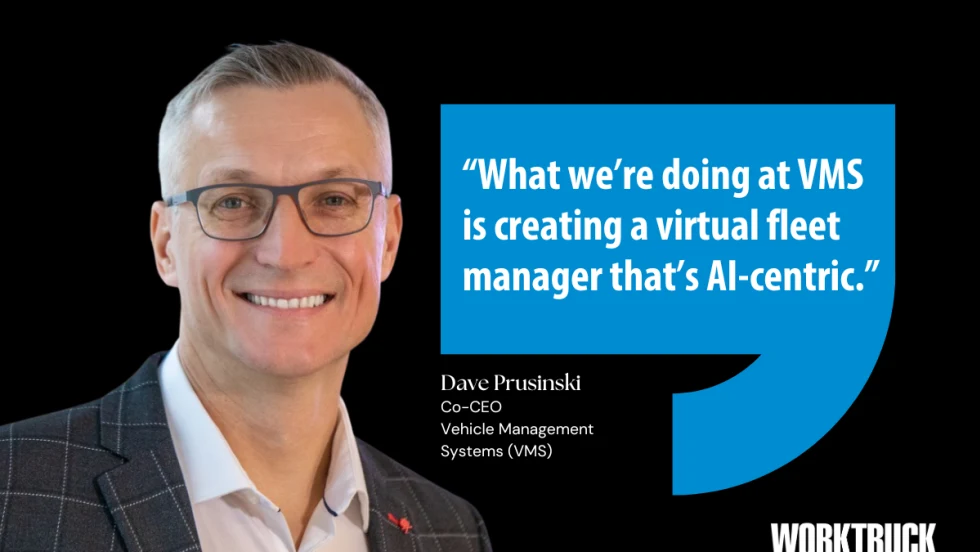
AI, Access, and Uptime: VMS’s Next Chapter with David Prusinski
VMS’s new Co-CEO, David Prusinski, shares how an AI-first approach will give small fleets and repair shops the tools to compete like big players.
Read More →