




Hybrid Cars Should Get Tax Credit: Government Report
Auto dealers could soon lure buyers with signs on some of the cars in their showrooms advising of thousands of dollars in tax credits. While most of the report from the energy task force headed by Vice President Dick Cheney is trickle-down energy policy, proposing inducements for corporations and changes in foreign policy to try to lower prices, but there are a few proposals for direct impact. Not a one is completely new, but according to experts, one in particular might be more effective than previous efforts: tax credits on cars that use less fuel. Under the Energy Policy Act of 1992, signed by the president's father, the government offered tax inducements to buyers of vehicles that ran on natural gas, methanol and other "alternative fuels." "But that tax break did not help much because few of those vehicles were attractive to consumers," said Douglas I. Greenhaus, the director of environment, health and safety at the National Automobile Dealers Association (NADA). A tax credit on hybrid vehicles, as proposed in the Cheney report, might have more impact, according to Greenhaus. "The public is going to be much quicker to adopt these vehicles than those that required a totally different fueling system," he told The New York Times. "I don't know exactly what proposal will work out in the end, but I see these things flourishing in the middle of this decade." NADA applauded President Bush's energy policy group recommendations of a tax incentive to help increase motor vehicle energy efficiency. "Tax credits could be an excellent strategy for encouraging consumers to purchase vehicles equipped with new, energy efficient technologies," said Bob Maguire, NADA chairman and new-car dealer from Bordentown, N.J. The tax credit recommendation was one of many set out in the newly-issued National Energy Policy Development Group's (NEPD) Report. NADA also endorsed the NEPD Group's "market-based" approach with respect to increasing the national average fuel economy of new motor vehicles. NADA said it was also "pleased" with the recommendation that any Corporate Average Fuel Economy (CAFE) standards should be based on "sound science" and should take into account passenger safety and economic concerns.
More Small Fleet

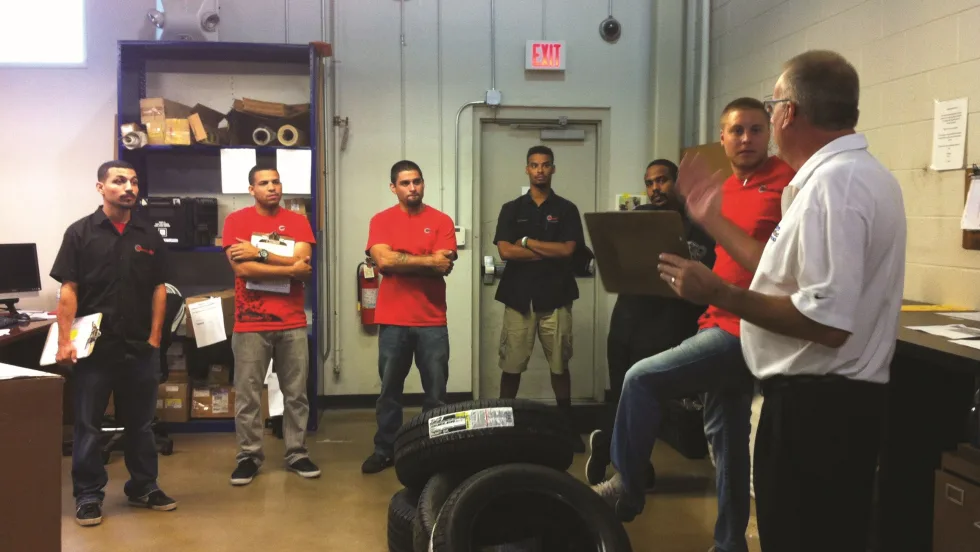
Developing Budget-Friendly Driver Safety Programs
From driver training and safety meetings to one-on-one coaching and incentive programs, several small fleets share how they have developed a safety culture with their drivers using low- to no-cost resources.
Read More →
Boosting Last-Mile Fleet Uptime, Safety, and Value with AI Vehicle Inspections
AI-powered inspections are transforming last-mile fleets by replacing manual checks with highly accurate automated scans that detect defects in seconds. By giving fleet operations visibility into the daily condition of their vehicles, you can identify trends over the vehicle’s lifecycle that enable improved procurement decisions, route management, driver training and accountability.
Read More →
Five Ways Seat Belts Help Prevent Injuries
There are five ways seat belts protect occupants from injuries, according to the Tennessee Department of Safety and Homeland Security.
Read More →
It’s here: The 2026 Fleet Technology Trends Report
What does AI mean for fleets? Get the answer — and learn other top tech trends.
Read More →
Small Fleets, Big Impact: How Independent Drivers Power Wreaths Across America
Check out how small fleets and independent drivers power Wreaths Across America each December and why their impact matters more than ever.
Read More →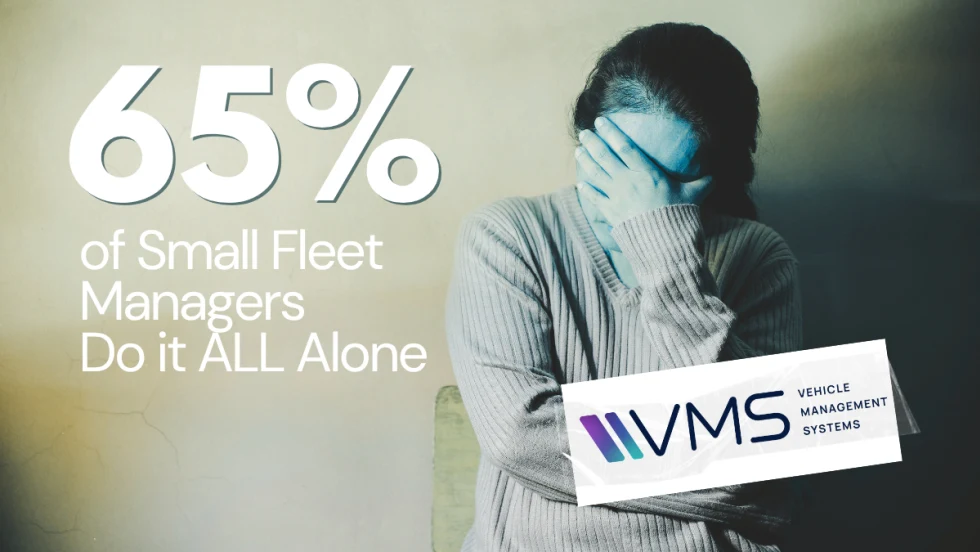
VMS Survey Finds 65% of Small Fleet Managers Run Operations Alone
A new VMS survey shows small fleet managers are stretched thin, with most handling operations solo and eager to adopt digital tools for relief.
Read More →
Tips for Driving Safely on Halloween Night
This video features a reminder from the Connecticut Department of Transportation (DOT) and the Connecticut Police Chiefs Association, urging drivers to prioritize safety this Halloween.
Read More →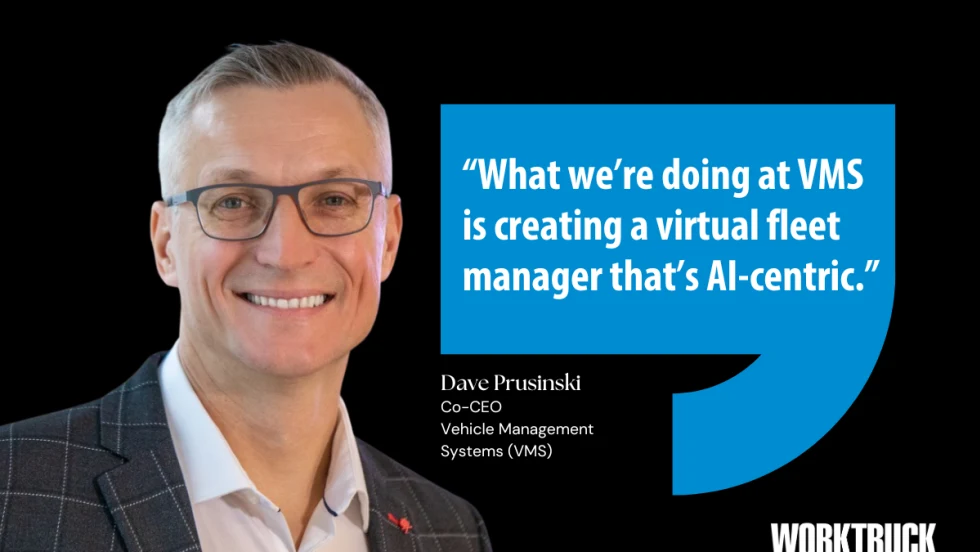
AI, Access, and Uptime: VMS’s Next Chapter with David Prusinski
VMS’s new Co-CEO, David Prusinski, shares how an AI-first approach will give small fleets and repair shops the tools to compete like big players.
Read More →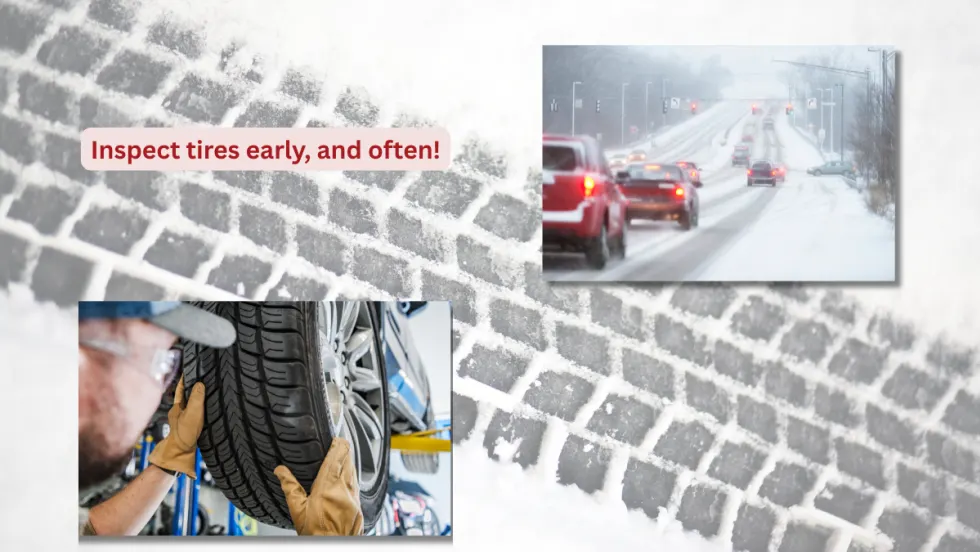
Fleet Managers Share Winter Prep Tips: It's Never Too Early!
Three fleets share best practices to prep vehicles for winter and prevent downtime when the cold sets in.
Read More →