




Hybrid Autos May Proliferate But Their Profile is Changing
A lot more hybrid gasoline-and-electric vehicles are likely to hit showrooms in coming years as a result of a legal settlement announced last week between California clean-air regulators and two big automakers. But those hybrids may not curb U.S. fuel consumption as much as many people expect, according to the Wall Street Journal. Not all hybrid vehicles are created equal. The only hybrids currently on sale in the U.S. -- small cars from Toyota Motor Corp. and Honda Motor Co. -- average 45 to 60 miles per gallon, but their smaller size deters many buyers, according to the Journal. In the next few years, several automakers say they plan to roll out hybrid versions of sport utility vehicles or pickup trucks. Those models are expected to prove more popular with average consumers. But that's because they'll use their electric power to boost acceleration -- not just fuel economy, the Journal said. So far, hybrids remain a tiny niche in the U.S., accounting for well under 0.5 percent of the nation's new-vehicle sales. Although hybrid sales spike a bit when gasoline prices rise, suggesting that some Americans are choosing the cars for fuel economy, most Americans buying them today appear either infatuated with technology or particularly committed to the environment, according to the Journal. Both GM and Chrysler have said they plan to roll out versions of their full-size pickup trucks in the next year. Chrysler won't say how much of a fuel-economy improvement its hybrid will have over a conventional pickup, and the company says an even bigger factor in its decision to settle the California suit was that the state ensured that the automaker could get credit for small electric vehicles it has been selling there, the Journal said. GM says its hybrid pickups will get about 10 percent better fuel economy than conventional models. That's a far smaller percentage of fuel-economy improvement than Toyota's and Honda's hybrids offer, according to the Journal. But GM and Chrysler officials say their strategy will do more to reduce U.S. reliance on foreign oil and global-warming emissions, because it's these big pickup trucks that are consuming so much gasoline.
More Small Fleet


Developing Budget-Friendly Driver Safety Programs
From driver training and safety meetings to one-on-one coaching and incentive programs, several small fleets share how they have developed a safety culture with their drivers using low- to no-cost resources.
Read More →
Boosting Last-Mile Fleet Uptime, Safety, and Value with AI Vehicle Inspections
AI-powered inspections are transforming last-mile fleets by replacing manual checks with highly accurate automated scans that detect defects in seconds. By giving fleet operations visibility into the daily condition of their vehicles, you can identify trends over the vehicle’s lifecycle that enable improved procurement decisions, route management, driver training and accountability.
Read More →
Five Ways Seat Belts Help Prevent Injuries
There are five ways seat belts protect occupants from injuries, according to the Tennessee Department of Safety and Homeland Security.
Read More →
It’s here: The 2026 Fleet Technology Trends Report
What does AI mean for fleets? Get the answer — and learn other top tech trends.
Read More →
Small Fleets, Big Impact: How Independent Drivers Power Wreaths Across America
Check out how small fleets and independent drivers power Wreaths Across America each December and why their impact matters more than ever.
Read More →
VMS Survey Finds 65% of Small Fleet Managers Run Operations Alone
A new VMS survey shows small fleet managers are stretched thin, with most handling operations solo and eager to adopt digital tools for relief.
Read More →
Tips for Driving Safely on Halloween Night
This video features a reminder from the Connecticut Department of Transportation (DOT) and the Connecticut Police Chiefs Association, urging drivers to prioritize safety this Halloween.
Read More →
AI, Access, and Uptime: VMS’s Next Chapter with David Prusinski
VMS’s new Co-CEO, David Prusinski, shares how an AI-first approach will give small fleets and repair shops the tools to compete like big players.
Read More →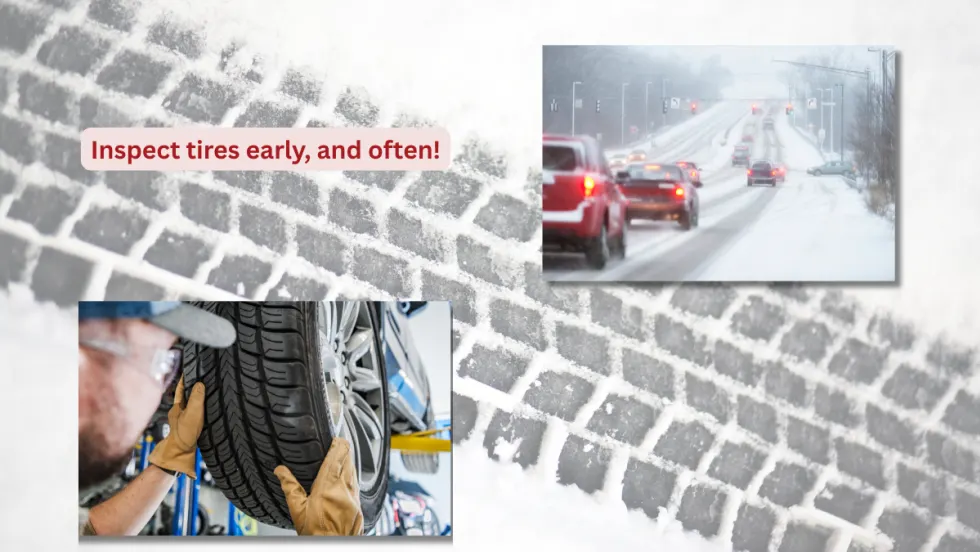
Fleet Managers Share Winter Prep Tips: It's Never Too Early!
Three fleets share best practices to prep vehicles for winter and prevent downtime when the cold sets in.
Read More →