




How to Reduce the Risk of Electric Vehicle Fires
While batteries can pose a risk and EV fires burn worse than ICE car fires, data shows EV fires are not nearly as common as recent headlines would suggest.

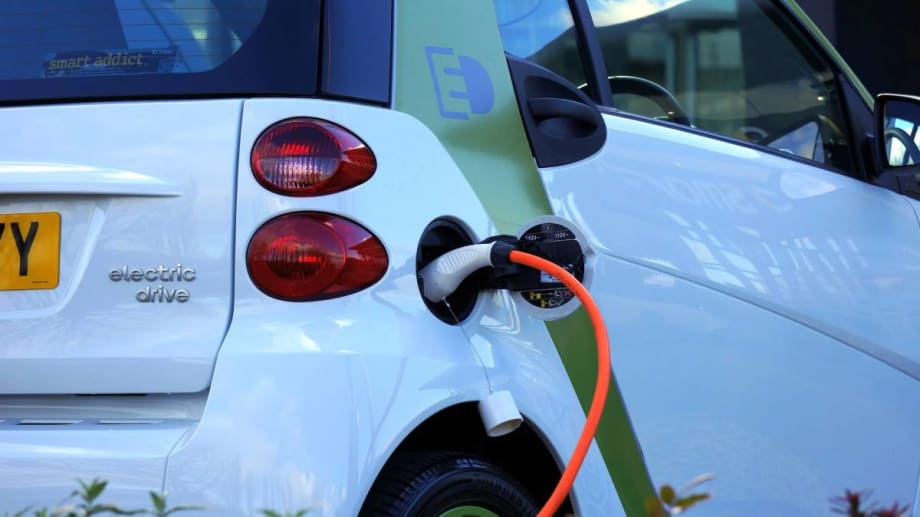
An EV’s battery performance and integrity can be affected by age, usage, and external impacts like a collision.
Photo: Pexels.com/Mike Bird
As more fleets move toward electrification, fleet operators face many challenges — from purchasing the right electric vehicles (EVs) to developing charging infrastructure to training technicians on EVs. As with traditional vehicles, safety is always a top priority.
EV fires caused by lithium-ion batteries are one factor that remains a safety concern for many fleet operators. However, the data shows that EV fires are not nearly as common as the many scary headlines in recent years would suggest.
In fact, EVs are about 0.3% likely to ignite as compared with a 1.05% chance for gas cars, according to the Bureau of Transportation Statistics (BTS) and the National Transportation Safety Board (NTSB).
To determine the rate of car fires by vehicle type, Auto Insurance EZ collected the latest data on car fires from the NTSB and calculated the rate of fires from sales data from the BTS. Hybrid vehicles ranked first for the most fires — 3,474 — per 100K sales. Gas vehicles came in second with approximately 1,530 fires, and EVs placed third, with only 25 fires per 100K electric vehicle sales.
However, while the prevalence of fires is lower in EVs as compared to hybrids and gas vehicles, the consequences can be far worse as these fires are particularly hard to stop.
Lithium-ion batteries are made up of thousands of cells, so the fire can rapidly spread among them. Experts also say EV fires burn at a higher temperature than gas fires and are more likely to reignite. Finally, unlike gas fires, lithium-ion battery fires don’t need outside oxygen to burn, which means they are harder to extinguish.
EV Maintenance and Reducing Risk
An EV’s battery performance and integrity can be affected by age, usage, and external impacts like a collision. Over time, battery cells degrade and become less efficient, which can cause them to discharge more quickly than normal or fail altogether. Degraded batteries can pose a significant safety risk to your drivers.
“The challenge with batteries is that one bad cell could create that thermal runaway that leads to a fire,” said Roei Ganzarski, CEO of Alitheon, maker of optical AI technology for counterfeit and gray market identification and traceability.
Fleet managers need to be diligent about proper maintenance for EVs and batteries.
“You want to make sure the people maintaining your EV know what they are doing when it comes to high voltage systems and batteries. Because it they get that wrong, or they use components that are not fit for an EV, it can be a problem,” Ganzarski said.
Electricity poses unique challenges. Each level of voltage used calls for different levels and qualities of cable and wire. Mechanics who are not experts in EVs can make mistakes. For example, they might replace an electric cable but may not understand that what they are putting in can’t meet the needs of the high voltage of the EV or the system temperature. That, in turn, creates a risk for a fire.
Overcharging a battery can take it to an extreme, which could lead to a battery being less stable and a potential for fire. That’s why it’s important that fleet managers make sure their drivers are charging cars correctly.
But it’s not just human error that fleets need to be cautious about. Counterfeit parts are also a problem, Ganzarski said. He points to cases in Europe where fake EV batteries have been found — they look like the real thing and bear a company logo, but they’re not authentic which can be dangerous.
Alitheon’s technology solution allows automakers and suppliers to authenticate and uniquely identify specific items such as EV batteries and other parts, eliminating the potential for counterfeits.
But what can fleets do to ensure their EV components are correct, legal, and real?
Ganzarski advises fleet managers doing their own maintenance to buy from the best sources. Purchase batteries from the battery manufacturer, not from some middleman. Buy cables or contactors from the auto supplier rather than buying online because they’re cheaper.
“It’s not like buying a cheaper oil filter and if you get it wrong, maybe you reduce the lifespan of the engine,” Ganzarski said. “If you get the wrong battery or contactor in your EV, you are risking your drivers’ health and life. Buy it new and correct.”
Whether it’s after a fender bender or as an EV begins to age, fleet managers must validate that authentic and correct parts are used during maintenance checks.
With proper maintenance, you’ll mitigate the risk of EV fires and boost safety for your drivers.
“For a fleet manager, an important message is: Don't be afraid of EV fires,” Ganzarski said. “Rather, what fleet managers need to be concerned about is where their electric cars are being maintained and that they know they are getting the correct parts for that car’s system.”
Originally posted on Automotive Fleet
More Small Fleet


Developing Budget-Friendly Driver Safety Programs
From driver training and safety meetings to one-on-one coaching and incentive programs, several small fleets share how they have developed a safety culture with their drivers using low- to no-cost resources.
Read More →
Boosting Last-Mile Fleet Uptime, Safety, and Value with AI Vehicle Inspections
AI-powered inspections are transforming last-mile fleets by replacing manual checks with highly accurate automated scans that detect defects in seconds. By giving fleet operations visibility into the daily condition of their vehicles, you can identify trends over the vehicle’s lifecycle that enable improved procurement decisions, route management, driver training and accountability.
Read More →
Five Ways Seat Belts Help Prevent Injuries
There are five ways seat belts protect occupants from injuries, according to the Tennessee Department of Safety and Homeland Security.
Read More →
It’s here: The 2026 Fleet Technology Trends Report
What does AI mean for fleets? Get the answer — and learn other top tech trends.
Read More →
Small Fleets, Big Impact: How Independent Drivers Power Wreaths Across America
Check out how small fleets and independent drivers power Wreaths Across America each December and why their impact matters more than ever.
Read More →
VMS Survey Finds 65% of Small Fleet Managers Run Operations Alone
A new VMS survey shows small fleet managers are stretched thin, with most handling operations solo and eager to adopt digital tools for relief.
Read More →
Tips for Driving Safely on Halloween Night
This video features a reminder from the Connecticut Department of Transportation (DOT) and the Connecticut Police Chiefs Association, urging drivers to prioritize safety this Halloween.
Read More →
AI, Access, and Uptime: VMS’s Next Chapter with David Prusinski
VMS’s new Co-CEO, David Prusinski, shares how an AI-first approach will give small fleets and repair shops the tools to compete like big players.
Read More →
Fleet Managers Share Winter Prep Tips: It's Never Too Early!
Three fleets share best practices to prep vehicles for winter and prevent downtime when the cold sets in.
Read More →