





Capturing Robust Service Data Improves Fleet Operational Cost Analysis
How to Inspect & Maintain an Air Dryer System
Do you know the best practices to inspect and maintain your trucks with air dryer systems? Check out the latest in the Bendix Tech Tips series to learn more.
June 26, 2024
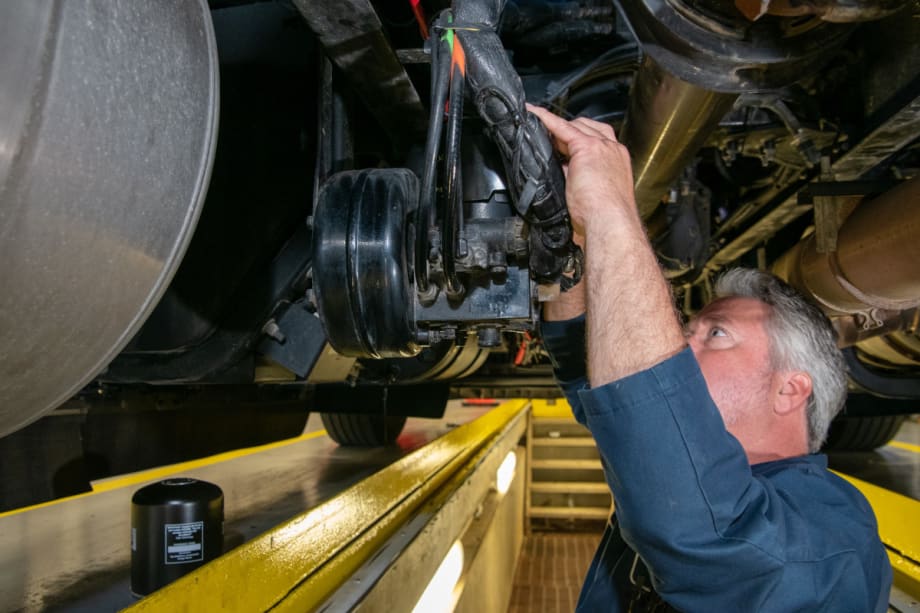
Maintaining air dryer systems can be easy if you follow the right approach.
Photo: Bendix
5 min to read
No matter what fuels your truck, more components and technologies than ever are connected to the compressed air system. Brakes, emissions controls, automated manual transmissions, and advanced driver assistance systems (ADAS) all require a dependable supply of clean and dry air to optimize their safe and efficient operation.
This installment of the Bendix Tech Tips series focuses on troubleshooting and maintaining air dryer systems and a few of their key components.
“Rule number one is keeping moisture, oil aerosols, and other contaminants out of your air system to the greatest degree possible since they present a corrosion hazard to some of the crucial components within,” said Jason Kolecki, Bendix director of marketing and customer solutions, air supply and drivetrain. “Oil, in particular, can deteriorate seals, cause leaks, and damage valves and brake chamber diaphragms. There really is a lot at stake.”
Check the Drain Valves for Moisture
Checking for moisture in the air dryer system begins with opening the reservoirs’ drain valves. Even if you don’t find moisture in the system, inspect all the air lines for damage like chafing, and check the air dryer mounting bolts for tightness and torque as specified in the manufacturer’s service data sheet.
If water is present, first take into account whether there have been significant temperature changes within the previous 24 hours.
Ambient shifts of more than 30 degrees Fahrenheit can cause a temporary accumulation of moisture, so if that’s the case, continue to operate the vehicle as normal. The small amount of water that may have condensed due to the temperature shift will be reabsorbed by the dry air once the vehicle is in operation.
Check for moisture again after a week, preferably after a period without significant temperature changes.
What to Do When There Are No Temperature Swings
If temperature swings don’t seem to be a factor, then investigate whether any external air has been applied to the system. If it has, drain all the reservoirs and purge tanks.
Then restart the vehicle and allow the air system pressure to build to the governor cutout pressure.
Once the system reaches proper pressure, operate the vehicle normally and recheck after one week for water in the reservoirs.
In the absence of external air as a factor, refer to the air dryer’s service data sheet to confirm that it’s mounted in the correct location, and that the discharge line is the right length. Correct any errors with the mounting or plumbing, ensuring that the discharge line from the compressor to the air dryer slopes continuously downward to the air dryer inlet, with no droops or loops to act as water traps.
Monitor Air System Valves for Air Loss
Malfunctioning valves within an air dryer system have noticeable effects, such as air loss.
For example, if charging the tanks takes three or four minutes as opposed to one or two, then the system might be leaking.
The same is true if it’s charging more often, which also affects the life of the dryer cartridge. Bendix recommends proactive upkeep on purge valves and delivery check valves to keep the system in good health.
“We suggest replacing the purge valve assembly whenever the air dryer cartridge is replaced, as a best practice in preventive maintenance,” said Brian Screeton, manager of sales technical training at Bendix. “This practice will address several potential purge valve issues, including leakage or lack of pressure building due to purge valve seal wear; ‘popping’ of the purge valve due to intermittent sticking; and the loss of engine turbocharger boost during the purge cycle due to leakage in the turbo cutoff valve.”
Watch for Failing Delivery Check Valve
Signs of a failing delivery check valve can include a lack of pressure buildup due to the valve sticking in the closed position, and rapid cycling or loss of pressure during the purge cycle, which would be caused by a leak in the valve. Bendix recommends replacing the air dryer system’s delivery check valve with every other cartridge replacement – and how often is that?
Service Intervals Can Vary
Air dryer technology has evolved – which means that service intervals have too.
“Regardless of the type or brand of compressor the vehicle is equipped with, we recommend air dryer cartridge replacement every six to 12 months for vehicles with a high or sensitive air demand – like city transit buses, off-road vehicles, or those with an automatic manual transmission (AMT). We recommend replacement every 12 to 24 months for those with a standard air demand, such as a line haul vehicle,” Screeton explained. “Always follow the truck manufacturer’s published maintenance recommendations, as they may require more frequent maintenance intervals.”
Fleets can determine the condition of the air dyer by draining the reservoirs and observing the liquid that is discharged.
“If you find excessive moisture – or even oil mixed with water – present in the reservoir, then the air dryer cartridge likely needs to be replaced,” Screeton added. “Bendix recommends this check be done once a month.”
When Are More Frequent Intervals Are Needed?
More frequent intervals may be required depending on:
A vehicle’s age
Compressor condition
Operating environment
Bendix always recommends using an oil-coalescing cartridge such as the Bendix PuraGuard.
Standard cartridges may be replaced with oil-coalescing cartridges, but fleets should always change out oil-coalescing cartridges with like replacements.
When Do You Need Extra Protection?
The compressor can often exceed its recommended duty cycle on trucks equipped with high-air-usage components like lift axles, central tire inflation, bulk unloading, or buses whose normal route demands repetitive pneumatic operations like kneeling and door actuation.
This leads to higher discharge temperatures and can increase the chances of oil aerosols passing through the air dryer before condensing downstream.
“We’ve seen a real increase in fleets – especially those with automated manual transmissions – installing an extra oil-coalescing filter immediately downstream of the air dryer,” Kolecki said.
Air system maintenance is vital, but it doesn’t need to be complex, according to Bendix. With an understanding of the interconnected components, the use of oil-coalescing air dryer cartridges, and an established schedule for checkups, it can be easy.
More Maintenance
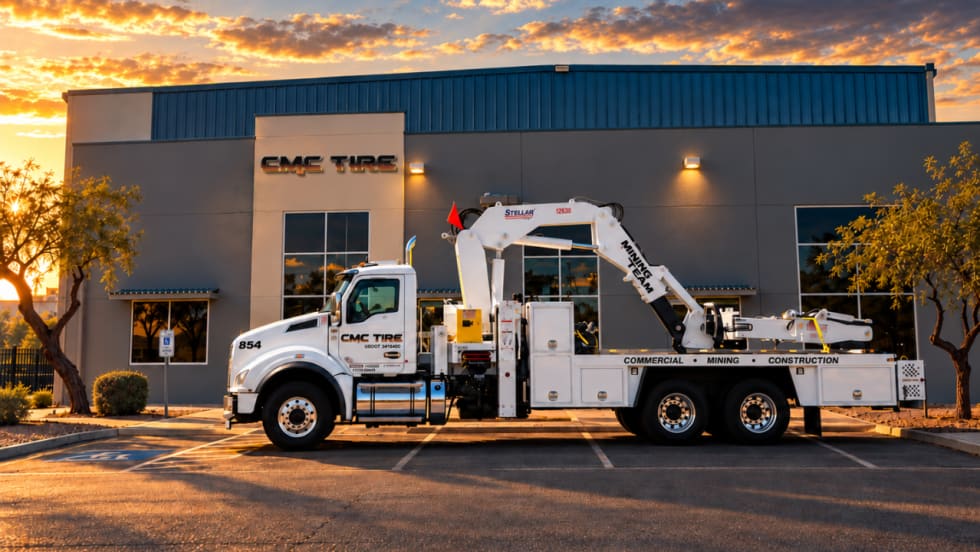
Les Schwab Expands Commercial Tire Footprint Into Arizona
Les Schwab Tires has expanded into Arizona with two commercial tire locations in Phoenix and Tucson, strengthening its fleet service footprint in the Southwest.
Read More →
Volvo Trucks’ 'Lock and Leave' Software Updates Go Live Across North America
Unattended over-the-air software updates are now available in Volvo trucks across the U.S. and Canada. The new capability lets trucks stay current with the latest software without interrupting operations or requiring a dealership visit.
Read More →
Why Technician Appreciation Can’t Be a Once-a-Year Thought
For fleets trying to keep skilled technicians, recognition cannot begin and end with Technician Appreciation Week. Learn what year-round appreciation really looks like and why the everyday technician experience matters just as much as pay when fleets are trying to keep good people.
Read More →
How Faster Driver Reporting Can Keep Small Truck Problems Small
When minor damage, warning lights, or equipment issues are reported late, small problems can quickly become bigger maintenance headaches. Conversational AI can help shorten the path from what a driver notices in the field to the person who can act on it.
Read More →
BendPak’s Ranger Wheel Service Equipment Achieves North American Safety Certification
BendPak’s full line of Ranger tire changers and wheel balancers has been ETL certified to UL and CSA standards to improve operator safety.
Read More →
Isuzu & U.S. Department of Labor Celebrate Milestone for Veterans Apprenticeship Program
The Isuzu Veterans Apprenticeship Program (IVAP) signing ceremony highlighted Isuzu’s long-term commitment to veterans, Isuzu dealers, and the skilled workforce supporting its customers and the commercial transportation industry.
Read More →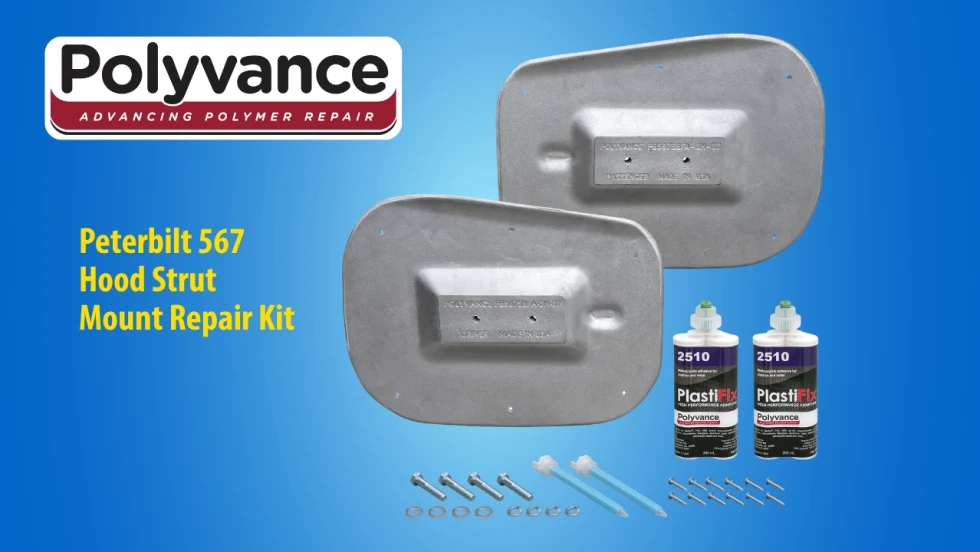
Polyvance Introduces New Peterbilt 567 Hood Strut Mount Repair Kit
Polyvance has launched a repair solution for Peterbilt 567 hood struts, helping truck owners and repair facilities avoid costly hood replacements.
Read More →
Cox Automotive Celebrates Technical Excellence at 2026 Top Tech Finals
The top technicians from Cox Fleet and Manheim tested their skills in Nashville, Tennessee, at Cox Automotive’s 2026 Top Tech Finals. The overall winners will advance to compete at the American Trucking Association’s TMC SuperTech competition.
Read More →
Grote Industries Appoints Vice President of North American Operations
Grote Industries has appointed Patrick Smith as vice president of North American operations as it celebrates 125 years of innovation and manufacturing excellence. He has more than 20 years of manufacturing leadership experience.
Read More →
Winter Fleet Prep: Expert Tips to Keep Vehicles Running Smoothly
Cold weather can expose weak batteries, tires, fuel systems, and maintenance gaps fast. Use this winter fleet checklist to prepare trucks and drivers before temperatures drop.
Read More →