





Learn More: 2025 Work Truck Safety Study
How the Best Fleets Operate Like Championship Football Teams
So, in your fleet, “Who’s your fleet MVP?” Linxup surveyed fleets and asked that question, and here are the results.
February 6, 2026
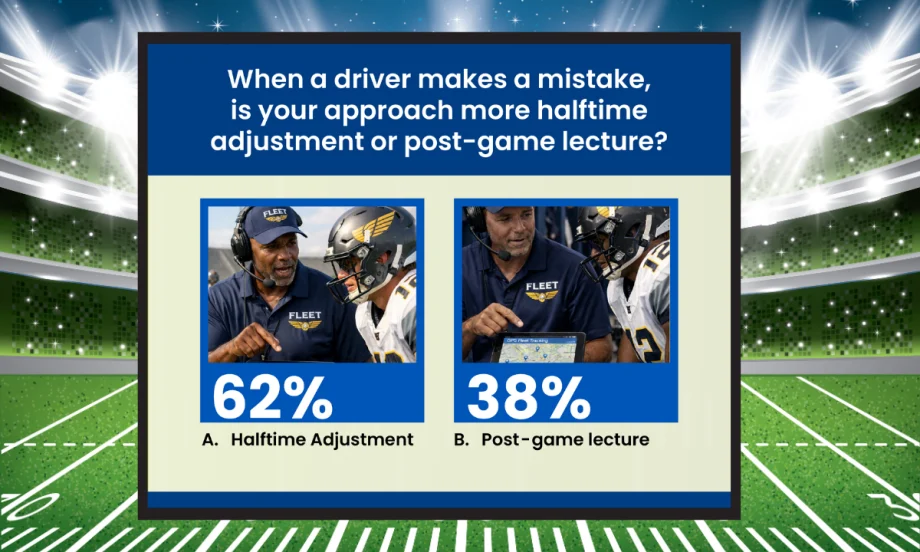
While the survey found that fleet managers are like football coaches, respondents mostly reported that dispatchers would be the quarterback, with drivers and technicians also playing key on-field roles.
Credit: Linxup/Work Truck
2 min to read
Linxup surveyed 225 customers to analyze the roles and strategies behind championship-level operations, gaining insight into the key drivers of fleet performance. Every role in a fleet has a football position equivalent, so the survey asked, “Who’s your fleet MVP?”
Survey respondents highlighted:
Dispatcher (48%): The "quarterback" of the operation, dispatchers are essential for calling the plays, reacting instantly to challenges, and ensuring the team maintains the correct direction.
Fleet Manager (25%): Acting as the "head coach," fleet managers are responsible for setting the overall strategy and holding the team accountable for their performance.
Drivers/Technicians (16%): Drivers and technicians are the "players" who execute every single play on the field, directly influencing the company's daily performance.
“Fleets perform at their best when every role is in sync, trusted, and recognized for the work they do every day,” Joe Marcotte, senior director, product management for Linxup. “Put simply, fleets that focus on safety and efficiency — the fundamentals — are the ones that win, just like a football team that executes its plays and sticks to its game plan.”
Most Important Performance Metric
The results show that, like football, success comes down to the basics when the survey asked, “Which performance metric matters most for your fleet?”
Safety (44%): As the top priority, a strong safety program acts like a championship-caliber defense—blocking costly accidents, preventing incidents, and keeping the fleet in control every play.
Efficiency (29%): This metric focuses on maximizing productivity—similar to "Yards per Play"—by optimizing routes, fuel usage, and maintenance, ultimately doing more with less.
Consistent Operational Performance (22%): Just as rushing yards are crucial in football, dependable metrics like miles driven and completed stops are essential for ensuring smooth daily operations and maintaining customer satisfaction.
Driver Coaching Strategies
The survey also explored preferred driver coaching strategies.
Overall, most respondents (62%) prefer making “halftime adjustments”, using real-time alerts to correct issues as they happen, while 38% rely on “post-game coaching” through driver coaching and safety score management.
Industry responses varied, however. HVAC and plumbing fleets were the most likely to make in-the-moment adjustments, with 78% favoring real-time alerts, while construction fleets broke from the pack, with a slight majority (56%) preferring post-game coaching.
Linxup said these findings suggest that, much like professional sports teams, fleets perform best when timely adjustments help keep operations and performance on track.
Complete survey results and information about how Linxup's fleet management solutions help businesses develop data-driven safety programs can be found on the company’s website.
More Technology
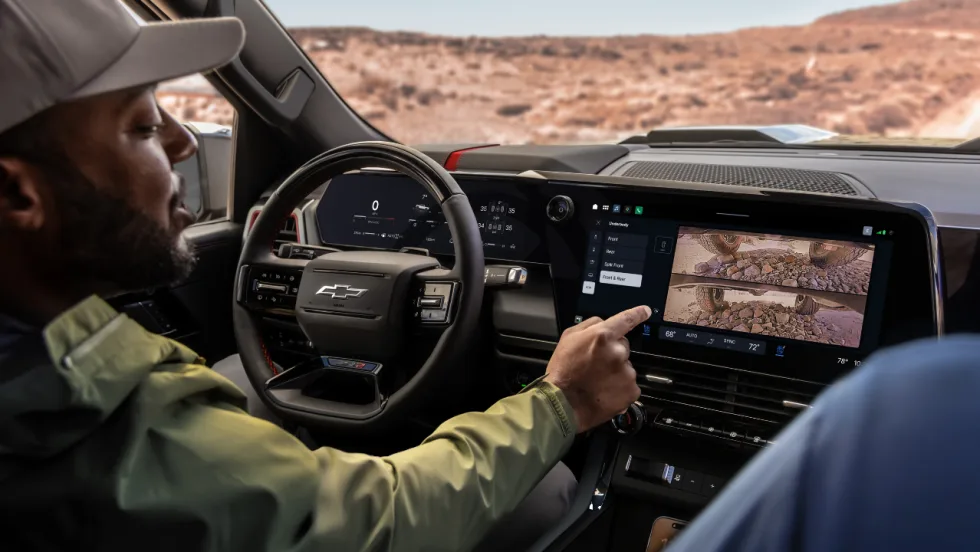
GM Brings New Truck Focused Interface to 2027 Silverado and Sierra
GM's new pickup interface puts trailering data, camera views, vehicle controls, and smartphone integration closer to the driver in the 2027 Silverado and Sierra.
Read More →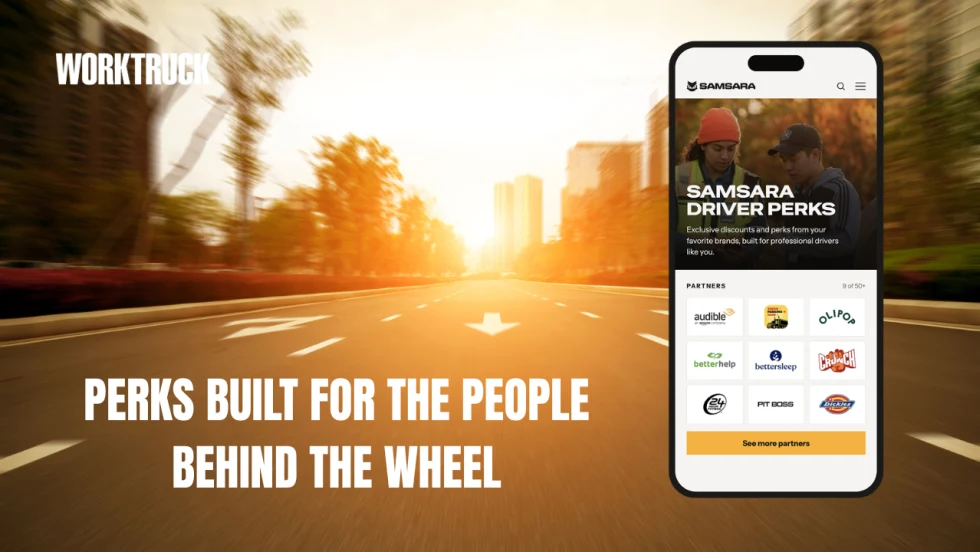
Samsara Driver Perks Expands Rewards Beyond the Long Haul Driver
Samsara’s new driver rewards program was built with a broader professional driver in mind, including employees who split their day between driving, job sites, service calls, and other work.
Read More →
AI Service Advisor Aims to Cut Fleet Repair Downtime
Fleetio said its AI Service Advisor can help fleets cut repair downtime by an average of 2.5 hours per repair while reducing manual maintenance work.
Read More →
Verra Mobility Launches AI-Driven Title & Registration Solution
Verra Mobility has launched a new AI-driven Title & Registration platform to help fleets move vehicles from acquisition to the road the same day while reducing compliance risk.
Read More →
Wialon Unlocks OEM Data to Give Fleet Owners Data Ownership & Operational Clarity
Wialon has introduced hardware-free OEM integration as the EU Data Act accelerates the shift in vehicle data access across the fleet industry in many countries.
Read More →
Teletrac Navman Promotes New CEO from Within
Teletrac Navman’s next CEO, Ricardo Buranello, has served as the company’s chief financial and operating officer. He brings deep financial and operational expertise, a strong strategic orientation, and an intimate knowledge of the business to his new role.
Read More →
Smith System Wants Work Truck Fleets to Look Beyond the Driver Alert
Smith System’s new Driver Risk Management program is built to help mixed work truck fleets turn telematics alerts and observations into specific behaviors, coaching actions, and measurable follow-up.
Read More →
Ford Pro Software Updates: August 26
Check out the latest Ford Pro software updates, including Google Maps integration, Remote Vehicle Alarm integration, Motor Pool for easier management of shared pool vehicles, and more.
Read More →
Where AI Is Actually Saving Fleet Managers Time
AI is moving past the buzzword stage and into the daily fleet workflow. Fleetio’s Brianna Perry Lang breaks down where fleets are seeing real time savings, from maintenance and data entry to repair decisions, safety, and compliance
Read More →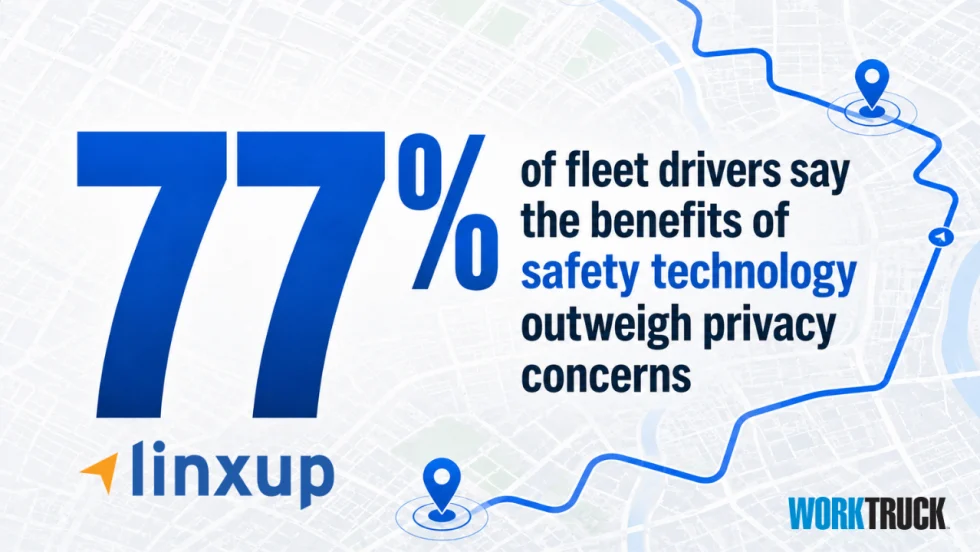
Are Work Truck Drivers Warming Up to Dash Cams and GPS Tracking?
A new survey finds field-service drivers may be more comfortable with dash cams and GPS tracking than fleet managers think, especially when the technology helps protect them after a crash.
Read More →