




How Important is Premium Gasoline?
Luxury vehicle owners are trying to use less gas or switch to cheaper grades. But how significant is the octane level?
The price of premium-grade gasoline has been rising fast and is now over $3.60 a gallon nationwide — more than 30 cents above regular unleaded — the high-end fuel is closing in on the $4 mark, boosting the cost of owning a long list of cars and trucks, including some non-luxury vehicles, the Houston Chronicle reports.
But as pump prices rise, fewer consumers appear willing to spring for the costlier fuel.
In 2007, U.S. premium gasoline consumption fell to roughly 35.6 million gallons per day, its lowest point in 24 years, according to the U.S. Energy Information Administration.
Premium gasoline is recommended by nearly all luxury automakers and some mainstream automakers as a way to enhance engine performance.
Some automakers, including Mercedes-Benz, even require premium gas because they say using lesser-grade fuel can damage the engine and may invalidate warranties.
But whatever benefits premium may provide in high-performance cars, it doesn't necessarily follow that cars designed for regular will benefit from premium.
"Using a higher-octane gasoline than recommended by the owner's manual does not improve performance or fuel efficiency; it only costs more money," the U.S. Environmental Protection Agency said in its 2008 Fuel Economy Guide.
Premium gasoline carries an octane rating at or above 91, compared with 89 for mid-grade and 87 for regular unleaded.
Fuels with a higher octane rating are more resistant to premature detonations, which a driver hears as pings and knocks. These waste energy in the fuel and can harm the engine.
The risk of premature detonation is higher in vehicles with high-performance or high-compression engines, like those in sports cars, luxury sedans and SUVs.
Mercedes owners who ignore the company's 91 octane fuel requirement could get increased deposits in their vehicles' exhaust systems, said Rob Moran, a spokesman for Mercedes-BenzUSA in Montvale, N.J.
Using lower-grade fuel also could potentially void the car's warranty, he said.
Other automakers are more flexible. Volvo, for instance, recommends using 91 octane gas, but says customers should notice "little or no difference" if they fill up with a lower-grade fuel, said Steve Hansen, manager of product strategy for the Swedish automaker's Irvine, Calif., office.
Modern auto engines, using electronic sensors, adapt to different fuel grades, he said.
Sean Lobosco, a BMW spokesman, agreed that the sensors would help protect a high-performance engine using a lesser-grade fuel.
But the cheaper fuel could "gum up" the motor and would reduce the horsepower and torque levels the vehicles achieve when premium gas is in the tank, he said.
According to the Houston Chronicle, oil refiners say the national figures are consistent with what they are seeing at their gasoline production facilities.
More Small Fleet


Developing Budget-Friendly Driver Safety Programs
From driver training and safety meetings to one-on-one coaching and incentive programs, several small fleets share how they have developed a safety culture with their drivers using low- to no-cost resources.
Read More →
Boosting Last-Mile Fleet Uptime, Safety, and Value with AI Vehicle Inspections
AI-powered inspections are transforming last-mile fleets by replacing manual checks with highly accurate automated scans that detect defects in seconds. By giving fleet operations visibility into the daily condition of their vehicles, you can identify trends over the vehicle’s lifecycle that enable improved procurement decisions, route management, driver training and accountability.
Read More →
Five Ways Seat Belts Help Prevent Injuries
There are five ways seat belts protect occupants from injuries, according to the Tennessee Department of Safety and Homeland Security.
Read More →
It’s here: The 2026 Fleet Technology Trends Report
What does AI mean for fleets? Get the answer — and learn other top tech trends.
Read More →
Small Fleets, Big Impact: How Independent Drivers Power Wreaths Across America
Check out how small fleets and independent drivers power Wreaths Across America each December and why their impact matters more than ever.
Read More →
VMS Survey Finds 65% of Small Fleet Managers Run Operations Alone
A new VMS survey shows small fleet managers are stretched thin, with most handling operations solo and eager to adopt digital tools for relief.
Read More →
Tips for Driving Safely on Halloween Night
This video features a reminder from the Connecticut Department of Transportation (DOT) and the Connecticut Police Chiefs Association, urging drivers to prioritize safety this Halloween.
Read More →
AI, Access, and Uptime: VMS’s Next Chapter with David Prusinski
VMS’s new Co-CEO, David Prusinski, shares how an AI-first approach will give small fleets and repair shops the tools to compete like big players.
Read More →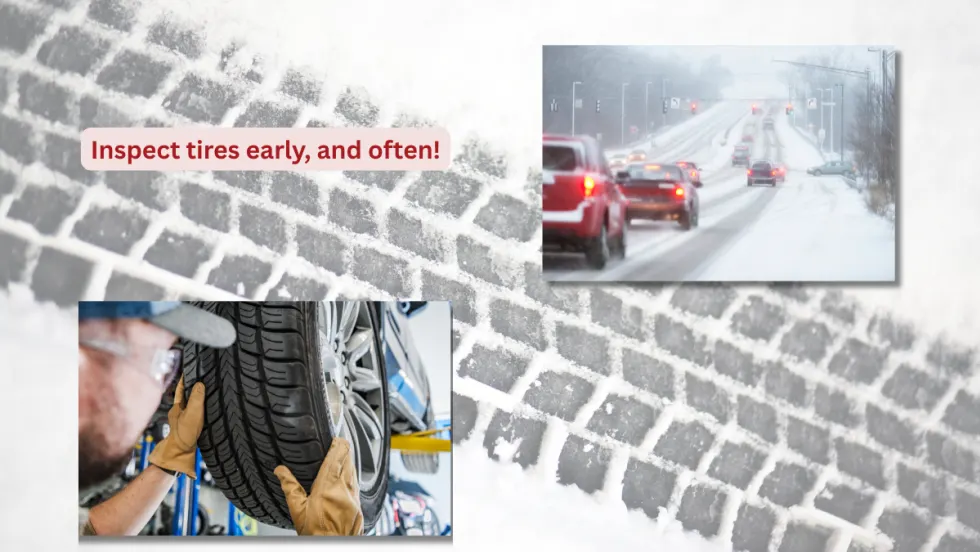
Fleet Managers Share Winter Prep Tips: It's Never Too Early!
Three fleets share best practices to prep vehicles for winter and prevent downtime when the cold sets in.
Read More →