




How GM Uses AI to Enhance Vehicle Software and Safety
Learn more about how GM uses AI and machine learning to rigorously test vehicle software, ensuring safety and reliability before it reaches the road.
November 25, 2024

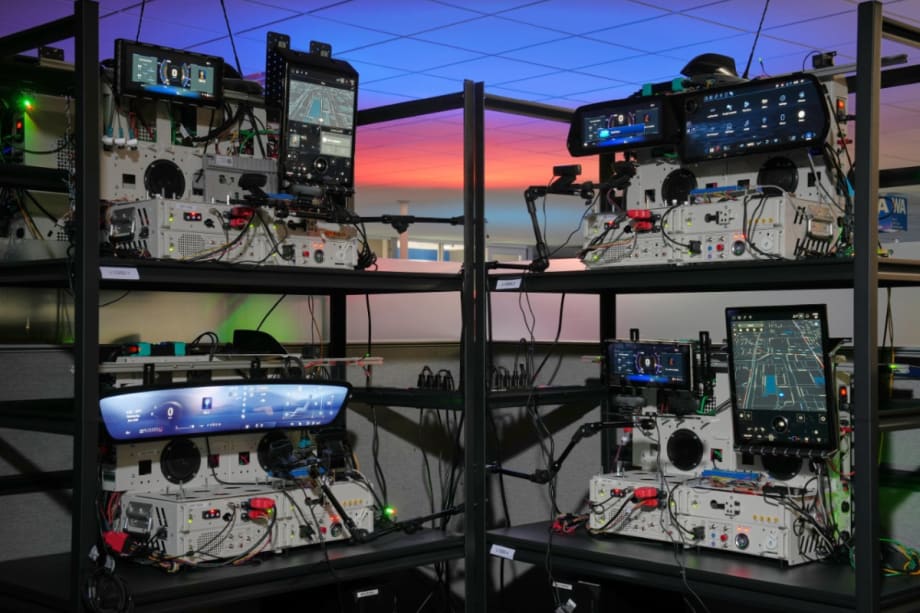
GM’s software quality labs use AI-powered tools to test and refine dashboard touchscreen software, simulating years of real-world use.
Photo: General Motors
2 min to read
Modern fleet vehicles, whether gas-powered, hybrid, or electric, rely heavily on software. From driver safety systems to navigation, entertainment, and operational controls, software is at the heart of vehicle functionality.
Features like luxury options for comfort, advanced safety mechanisms, and essential driving systems for acceleration, steering, and braking all depend on software.
A typical new work truck contains more than 100 million lines of code, underscoring the importance of software quality in every model produced by General Motors (GM).
Prioritizing Quality Over Experimentation
Unlike other industries, where software testing may rely on user feedback during beta phases, General Motors holds itself to a higher standard. The company’s quality labs are dedicated to identifying and resolving potential software issues well before the code is deployed in customer vehicles.
GM’s software team includes engineers with experience at leading tech companies, drawn by the opportunity to tackle the complex challenges involved in modern vehicle development.
Leveraging AI for Around-the-Clock Testing
AI plays an increasingly critical role in GM’s approach to software development. Automated systems perform continuous testing of vehicle software, simulating years of real-world use to ensure reliability and quality.
For example, software for dashboard touchscreens undergoes rigorous virtual testing at GM’s quality labs. These tests simulate millions of button presses and screen taps, helping identify bugs before human testers or drivers interact with the software.
Simulated and Real-World Testing Integration
After virtual testing, engineers conduct real-world tests at GM’s Milford Proving Ground in Michigan and other locations. Some vehicles in these trials are equipped with custom devices that automate software testing even while parked. Machine learning-powered tools continue the testing overnight, refining the software for more consistent and predictable performance at release.
Automated and simulated testing significantly reduces the time required compared to physical tests alone. Virtual testing is bolstered by real-world data gathered from GM employees who conduct test drives across the U.S. to ensure the software performs in varied driving environments.
A Global Network of Testing Facilities
GM’s commitment to software quality is evident in its extensive testing infrastructure. The company operates labs in Michigan, California, and Ontario, Canada. One Michigan facility houses over 300 test benches dedicated to debugging dashboard infotainment systems.
AI and machine learning enable GM to run increasingly sophisticated tests, continuously improving the software that powers its vehicles.
The automaker is also embracing renewable energy, singing a 15-year renewable energy purchase agreement with NorthStar Clean Energy for three GM assembly plants as part of its goal to power all production sites with renewable electricity by the end of 2025.
More Vehicle Insights
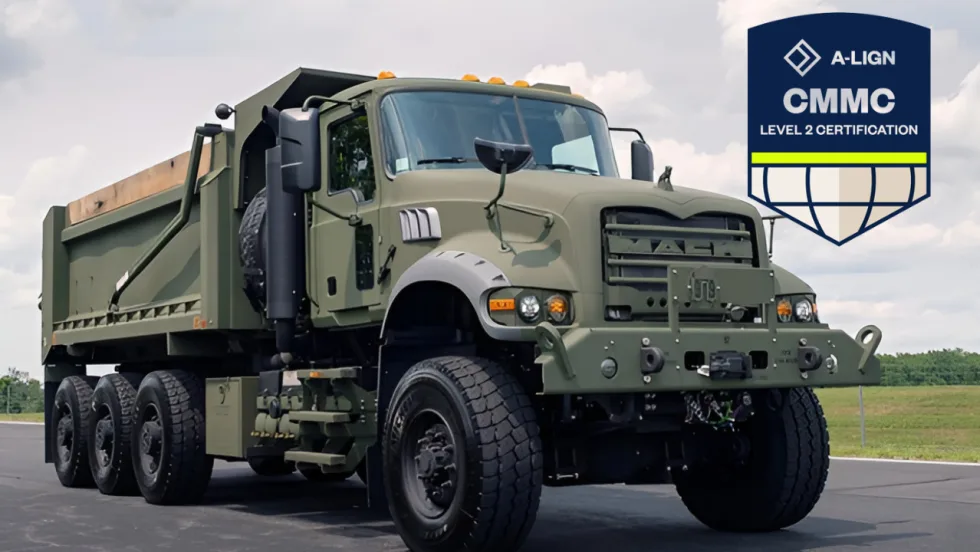
Mack Defense Achieves Cybersecurity Maturity Model Certification Level 2
After an assessment conducted by an authorized Certified Third-Party Assessment Organization (C3PAO), Mack Defense has achieved Cybersecurity Maturity Model Certification (CMMC) Level 2.
Read More →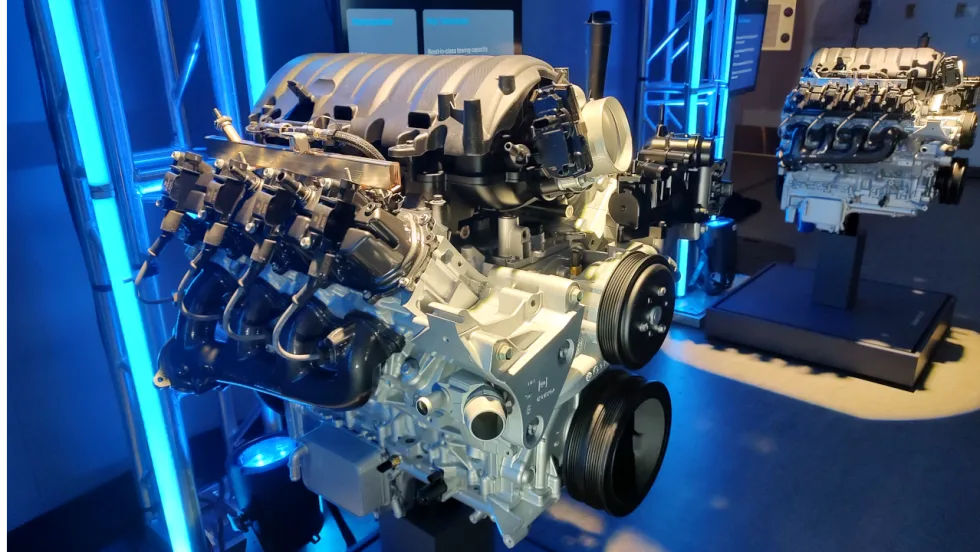
GM Unveils New Sixth-Generation Small Block Engines for 2027 Light-Duty Pickups
General Motors unveiled two new small-block engines, backed by extensive real-world validation and more than 70 years of small-block V8 manufacturing experience, as part of the engine portfolio for the 2027 Chevrolet Silverado 1500 and GMC Sierra 1500.
Read More →
Chevrolet Silverado 1500 Fleet Guide Specs Capability and 2027 Model-Year Updates
The next-generation 2027 Chevrolet Silverado 1500 brings new V-8 engines, updated technology, expanded safety features, and a fleet-focused Work Truck. Here’s what commercial fleets need to know so far.
Read More →
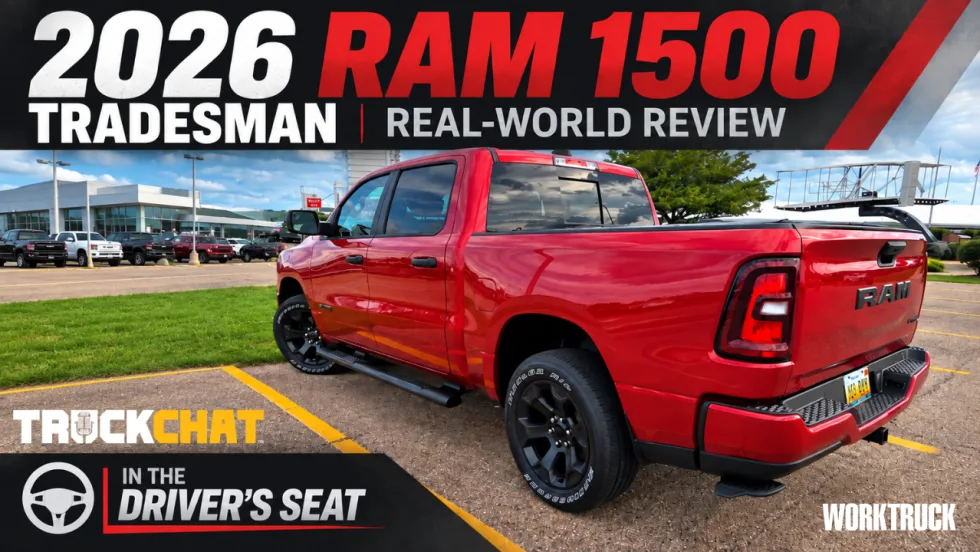
2026 Ram 1500 Tradesman Put to a Real-World Fleet Test
A few days behind the wheel of a 2026 Ram 1500 Tradesman turned into a test of visibility, parking, work-ready features, and even severe-weather driving.
Read More →
Isuzu N-Series Gas Fleet Guide: Specs, Capability and 2027 Model-Year Updates
Explore Isuzu Truck North America’s N-Series Gas fleet specs, engine performance, GVWR and payload capability, configurations, chassis dimensions, work-focused features, and 2027 model-year information.
Read More →
Ram ProMaster City Fleet Guide Specs Cargo Capacity and 2027 Updates
Work Truck’s Ram ProMaster City Fleet Guide tracks the latest specifications, cargo capability, configurations, fleet technology, pricing, and model-year updates for Ram’s mid-size commercial van.
Read More →
Ford F-150 Fleet Guide Specs Capability and 2026 Model-Year Updates
Explore 2026 Ford F-150 fleet specs, engines, towing and payload capability, configurations, work features, technology, and model-year updates.
Read More →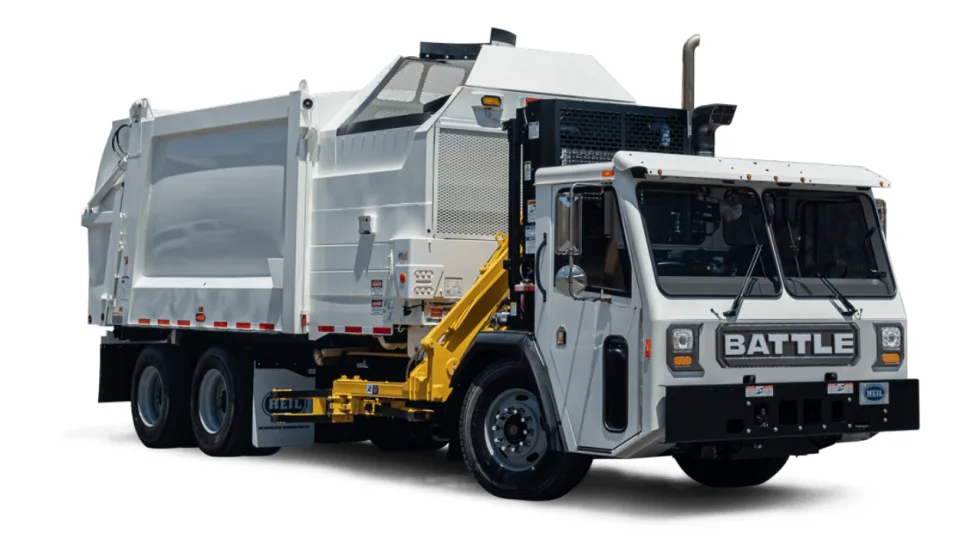
TCI Now Sells & Supports Battle Motors’ Vocational Trucks
Midwest truck dealer Truck Centers, Inc. (TCI) has expanded its transportation solutions with sales and service support for Battle Motors’ heavy-duty vocational trucks at locations in locations in Indiana, Illinois, and Missouri
Read More →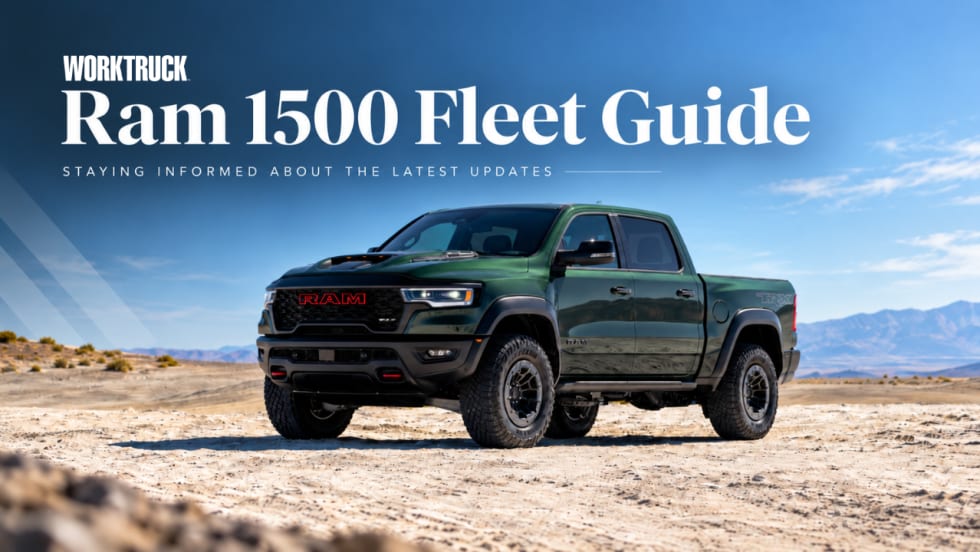
Ram 1500 Fleet Guide Specs, Capability and 2027 Model-Year Updates
Explore always up-to-date Ram 1500 fleet specs, engines, towing and payload capability, configurations, technology, pricing updates, and model-year changes.
Read More →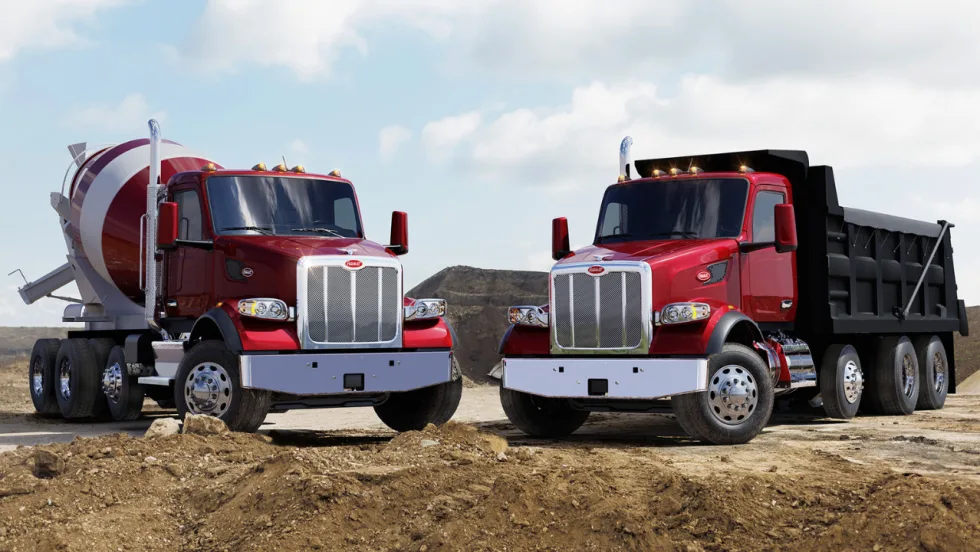
Peterbilt Trucks Equipped with Paccar TX-18 Pro Boost Efficiency for Maryland Fleet
Patuxent Companies is replacing aging trucks with the Peterbilt Model 567 and Model 589, specified with the Paccar TX-18 Pro 18-speed automated transmissions, and is reporting an 8% to 10% improvement in fuel economy.
Read More →