




House of Representatives Votes Against CAFE Hike
According to the Just-Auto.com Web site, the United States House of Representatives has rejected an attempt to raise Corporate Average Fuel Economy (CAFE) standards, voting down the so-called Boehlert/Markey amendment by a vote of 268 to 162. The amendment would have resulted in a combined car and truck CAFE standard of over 30 mpg by 2010. The result was applauded by the import brand dealer association AIDA which sent out alerts to dealer members, urging them to contact their local Representatives on the amendment offered to the House Energy legislation debated by Congress this week. “The vote -- 162 in support to 268 opposing -- demonstrates the support in the House of the automotive industry and NHTSA's efforts to raise CAFE standards through the regulatory system, rather than by an arbitrary amount that could compromise consumer choice and safety,” AIDA said in an email to its members on Apr. 11. “This would have been a drastic increase over today's standards of 20.7 mpg for trucks and 27.5 mpg for cars. The entire automobile industry united to oppose this amendment,” AIDA added. “AIADA firmly believes that Congress does not need to interfere in the CAFE programme at this time, and that NHTSA should regulate CAFE standards, taking into consideration safety, technological feasibility, cost considerations, emissions controls, consumer choice and the effects on the automotive industry. AIADA will continue to fight any attempt to drastically raise CAFE standards which could jeopardise consumer choice and safety.” Meanwhile, the Detroit Free Press (DFP) said on Apr. 11 that environmentalists and safety groups claim a proposed change in the way the government mandates fuel economy could cause US car makers to make their vehicles even bigger and less fuel efficient. The National Highway Traffic Safety Administration is expected to release a proposal in the next couple of months that could base corporate average fuel economy, or CAFE, on weight instead of vehicle class, the paper said. Experts told the DFP that a weight-based program probably would be broken into several weight classes that would have their own CAFE targets with some speculating that the lightest and heaviest classes would have the toughest fuel-economy targets to meet so that vehicle makers would build cars and trucks in the middle range. According to the Detroit Free Press, the experts say the idea behind the change is to prevent vehicle makers from building less-sturdy light cars to offset large trucks and it's also meant to encourage them to make the biggest trucks and sport-utilities lighter, more fuel efficient and less threatening to other vehicles. Critics say that depending on how the weight system is structured, some vehicles actually might get larger and less fuel efficient than they are today, the DFP said. The paper reported that environmental groups claim that, although the fuel economy requirements would be the most stringent at the high and low ends of the scale, the requirements for midrange vehicles would ease as the vehicles get heavier. The DFP said that could mean that a midsize sedan weighing 3,300 pounds (about the weight of a Subaru Legacy or Volkswagen Jetta/Bora) might, depending on how the regulations are written, have a fuel economy target that is harder to achieve than a larger 3,800-pound Oldsmobile Aurora sedan. That, critics claim, might encourage a car maker to make a vehicle larger just to get to the class that has a weaker standard, the DFP said. The newspaper added that federal regulators have expressed concern about the current CAFE system because they fear increasing fuel-economy standards will just cause car makers to sell more small vehicles that in some cases are less safe than large sedans and trucks because they weigh less.
More Small Fleet


Developing Budget-Friendly Driver Safety Programs
From driver training and safety meetings to one-on-one coaching and incentive programs, several small fleets share how they have developed a safety culture with their drivers using low- to no-cost resources.
Read More →
Boosting Last-Mile Fleet Uptime, Safety, and Value with AI Vehicle Inspections
AI-powered inspections are transforming last-mile fleets by replacing manual checks with highly accurate automated scans that detect defects in seconds. By giving fleet operations visibility into the daily condition of their vehicles, you can identify trends over the vehicle’s lifecycle that enable improved procurement decisions, route management, driver training and accountability.
Read More →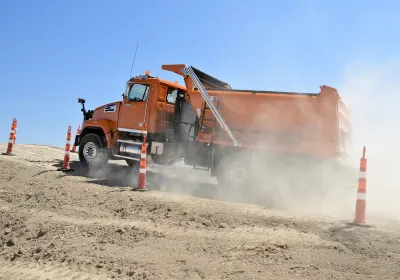

Five Ways Seat Belts Help Prevent Injuries
There are five ways seat belts protect occupants from injuries, according to the Tennessee Department of Safety and Homeland Security.
Read More →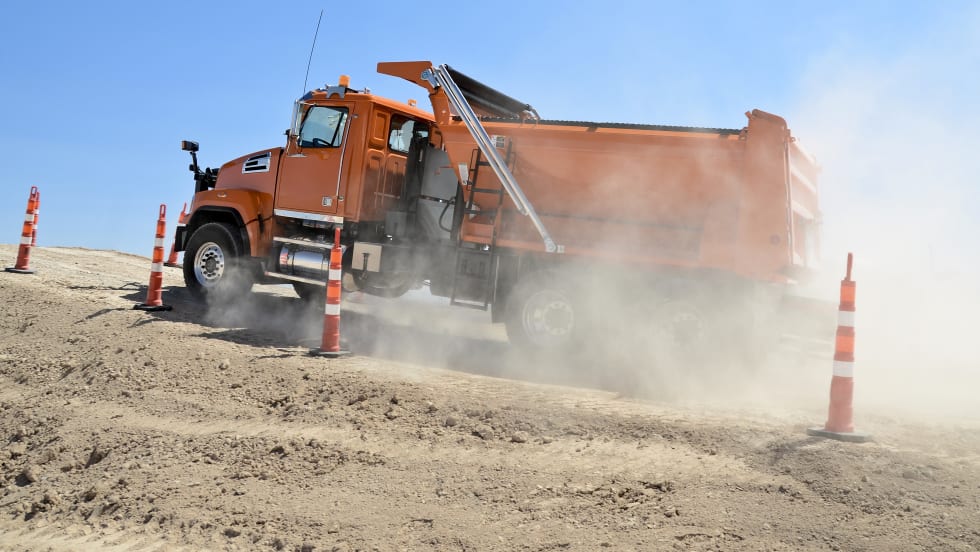
Basic Tracking vs Next Generation Fleet Technology
Fleet software is getting more sophisticated and effective than ever, tying big data models together to transform maintenance, safety, and the value of your existing tech stack. Fleet technology upgrades are undoubtedly an investment, but updated technology can offer a much higher return. Read how upgrading your fleet technology can increase the return on your investment.
Read More →
It’s here: The 2026 Fleet Technology Trends Report
What does AI mean for fleets? Get the answer — and learn other top tech trends.
Read More →
Small Fleets, Big Impact: How Independent Drivers Power Wreaths Across America
Check out how small fleets and independent drivers power Wreaths Across America each December and why their impact matters more than ever.
Read More →
VMS Survey Finds 65% of Small Fleet Managers Run Operations Alone
A new VMS survey shows small fleet managers are stretched thin, with most handling operations solo and eager to adopt digital tools for relief.
Read More →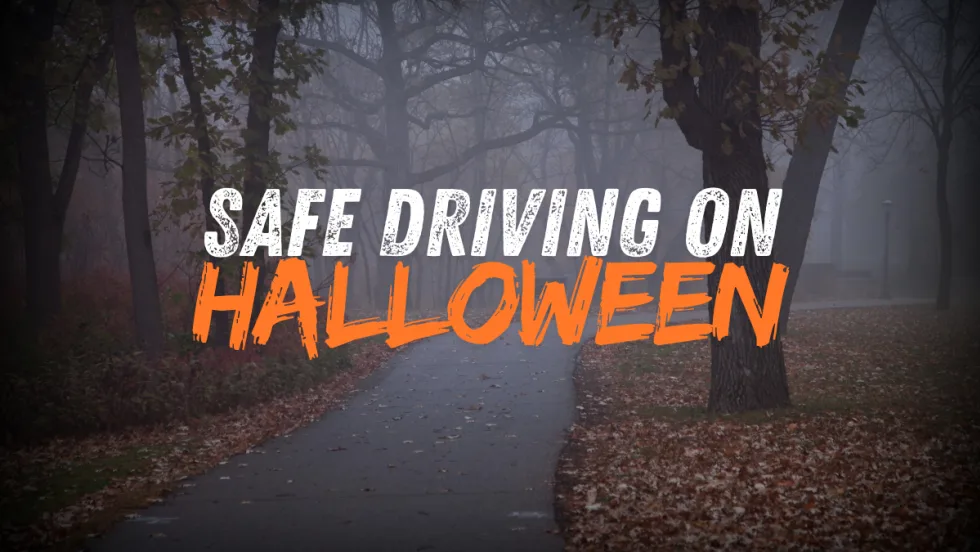
Tips for Driving Safely on Halloween Night
This video features a reminder from the Connecticut Department of Transportation (DOT) and the Connecticut Police Chiefs Association, urging drivers to prioritize safety this Halloween.
Read More →
AI, Access, and Uptime: VMS’s Next Chapter with David Prusinski
VMS’s new Co-CEO, David Prusinski, shares how an AI-first approach will give small fleets and repair shops the tools to compete like big players.
Read More →