




Related: House Bill Would Spend $319 Billion on Highways, Postpone New HOS Rules
House Infrastructure Bill Heavy on Electrification Spending
The $1.5 trillion package of infrastructure priorities includes federal support for electric vehicles and infrastructure. Trucking groups oppose the bill’s provision that calls for higher motor carrier insurance minimums.
by Staff
July 7, 2020
The bill would require at least 75% percent of new vehicles purchased by the U.S. Postal Service to be electric and install EV charging stations at all public post office locations by 2026.
Photo via Depositphotos.
3 min to read
Last week, the U.S. House of Representatives passed the Moving Forward Act (HR 2), a $1.5 trillion, 2,300-page package of infrastructure priorities. The nucleus of the bill authorizes $494 billion for surface transportation programs such as roads and bridges yet it also expands programs to accelerate electric fleets and infrastructure.
The bill provides $350 million in grants to build electric vehicle chargers, and hydrogen, natural gas and propane fueling infrastructure for 2022 through 2025.
The bill would create a new tax credit of up to $2,500 for buyers of used electric vehicles, or 30% of the sale price. It would increase the cap on an auto manufacturer’s federal EV tax credits from 200,000 to 600,000.
The bill would require at least 75% percent of new vehicles purchased by the U.S. Postal Service to be electric and install EV charging stations at all public post office locations by 2026.
The bill also looks to modernize the electric grid to be capable of handling more EVs and gives credits to renewable energy companies for the development of future products.
Alternative energy trade groups expressed support for the bill: “The Electric Drive Transportation (EDTA) applauds the bill’s support for electric drive transportation and its recognition that electric transportation is a central element of a 21st century transportation sector and of a meaningful climate change strategy.”
Yet the bill includes a provision that would more than double the minimum level of financial responsibility for trucking companies, which would mandate higher motor carrier insurance minimums, if adopted.
Trucking associations voiced their opposition:
The National Association of Small Trucking Companies stated: “… we write in opposition to H.R. 2, the INVEST in America Act, noting especially an amendment, mandating higher motor carrier insurance minimums, adopted in markup to an already egregious bill.”
The Owner-Operator Independent Drivers Association stated: “OPPOSE Final Passage of H.R. 2 …
“Section 4408 will do absolutely NOTHING to improve safety on our highways. There is not an ounce of reputable research that indicates imposing such a dramatic increase in insurance coverage do anything to reduce crash rates. In fact, federal research reveals how unnecessary this proposal is by confirming only 0.06% of crashes result in damages that exceed today’s minimum coverage limits.
“What this provision will do is destroy small trucking businesses in every corner of the country. Increasing the minimum insurance requirements from $750,000 to $2,000,000 in the midst of a major economic downturn would be nothing short of disastrous for many small motor carriers and owner-operators, who are currently struggling to stay in business due to historically low freight rates.”
Republicans ridiculed the bill as filled with Democratic priorities, while Democrats said an alternative Republican committee proposal did not contain any mandates to address carbon emissions or climate change.
The bill has been sent to the Senate, where it likely won’t be taken up as written. “This so-called infrastructure bill would siphon billions in funding from actual infrastructure to funnel into climate change policies,” said Senate Majority Leader Mitch McConnell on the Senate floor last Wednesday.
Originally posted on Automotive Fleet
More Green Fleet

Fleet Forward Conference Introduces One-Day Passes for 2026
New one-day registration gives fleet professionals the flexibility to attend Tuesday, Wednesday, or Thursday, with passes available for $199 through Sept. 18.
Read More →
CALSTART Rebrands as Catalyst Mobility, Will Combine with Forth in 2027
CALSTART has rebranded as Catalyst Mobility and will combine with Forth at the start of 2027. The new organization said it is poised to become one of the world's largest, strongest, and most impactful clean transportation nonprofits.
Read More →
Electric Truck and Charging Programs to Boost Sustainability at NY & NJ Ports
Together, the Port Authority of New York and New Jersey and CALSTART will electrify drayage and terminal operations serving the East Coast’s busiest container port. A pair of incentive programs totaling $45 million has launched to accelerate adoption of zero-emission drayage trucks and terminal tractors.
Read More →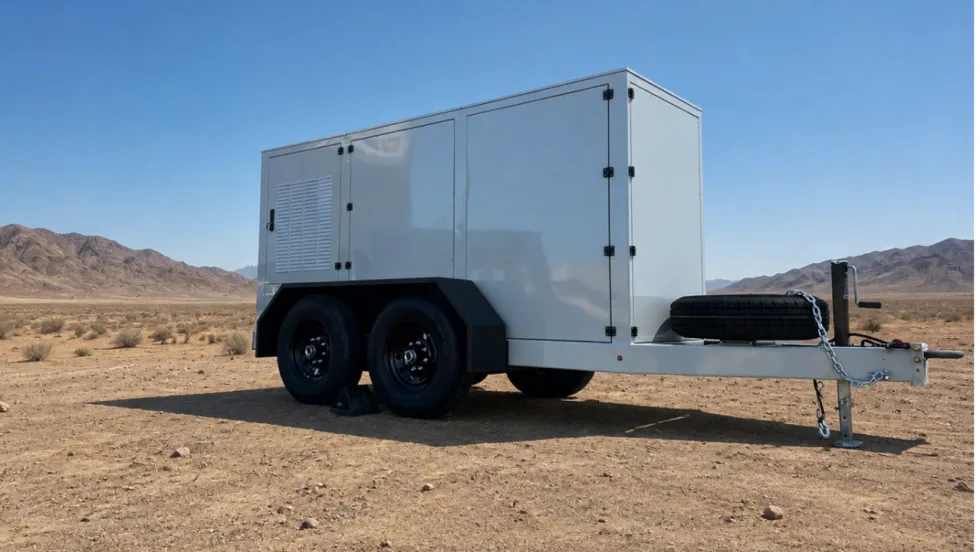
Xos Hub Surpasses One Gigawatt-Hour of Energy Delivered in the Field
A single Xos Hub has surpassed one gigawatt-hour of energy across more than 33,600 charging sessions in the field, demonstrating performance that supports Xos' expansion across new products and markets.
Read More →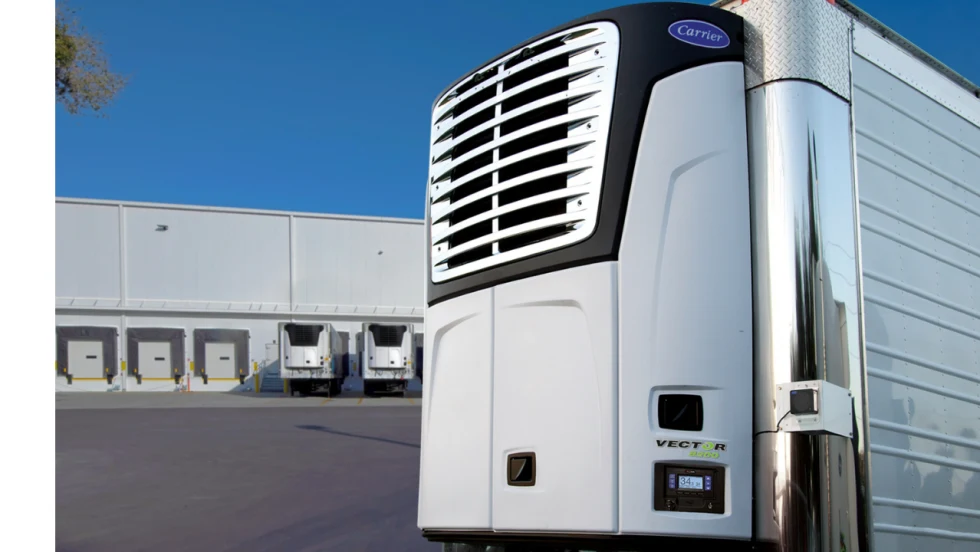
Carrier Transicold Launches All-Electric Vector 8200 TRU for Diesel-Free On-Site Cold Storage
Carrier Transicold’s first engineless multi-temperature TRU helps fresh- and frozen-food fleets add supplemental cold storage capacity during seasonal peaks.
Read More →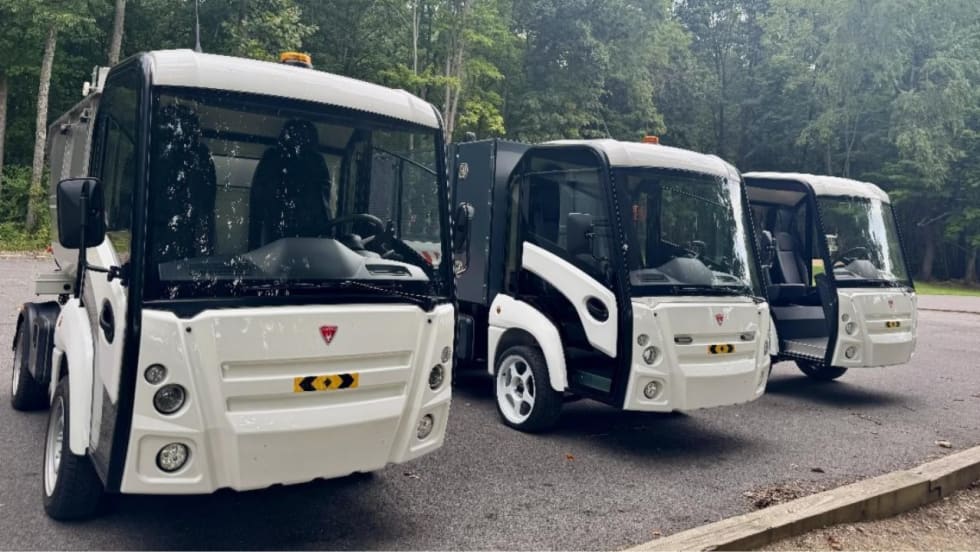
Narro Trucks Introduces Electric Utility Vehicle
Narro Trucks officially launched its operations on Aug. 20 and hosted a ride and drive to showcase its electric truck, which will be produced in Virginia.
Read More →
Samsung SDI Takes Full Control of GM Battery JV as Indiana Plant Pivots to Energy Storage
Samsung SDI is taking full control of its Indiana battery plant with GM, marking a major shift from the EV-focused joint venture Charged Fleet first covered in 2023.
Read More →
NWSA Taps CALSTART to Administer Zero-Emission Drayage Assistance Program
CALSTART will provide free technical assistance services to drayage fleets serving the Ports of Seattle and Tacoma and looking to transition to cleaner technologies and help decarbonize freight hubs.
Read More →
EV Fleet Reality Check: What Operators Wish They Knew Before Electrifying Their Work Vans
Electric work truck upfits bring new compatibility questions. Learn how parts availability, OEM guidance, power demands, and route planning can affect fleet performance.
Read More →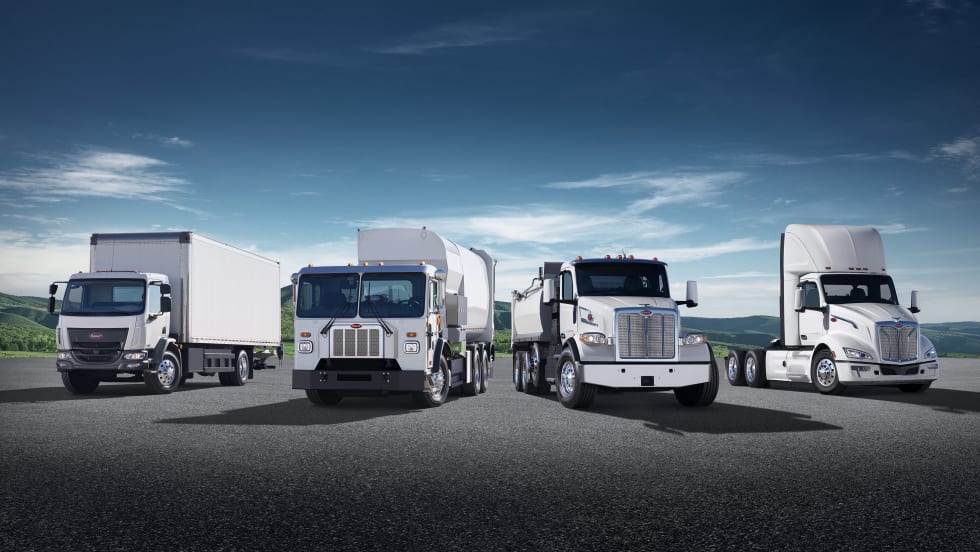
Peterbilt Expands Sourcewell Partnership with Electric Vehicle Lineup
Peterbilt Motors Company’s cooperative purchasing agreement with Sourcewell and its Canadian partner, Canoe Procurement Group, now includes including Peterbilt's battery-electric vehicle lineup.
Read More →