




Honda Supports Fuel Economy Boost, Undercutting Rival Automakers
As the Senate prepares as early as March 11 to debate whether to toughen the nation's auto-mileage rules, environmental activists aren't the only ones criticizing the Big Three U.S. auto makers' opposition to a big boost, according to a Wall Street Journal story by Jeffrey Ball and Norihiko Shirouzu. Also actively undercutting the industry is one of its own: Honda Motor Co. In recent weeks, the rest of the auto industry -- not just the Big Three, but also Japanese carmakers including Toyota Motor Corp. -- has stampeded Capitol Hill to squash calls for a big increase in the government's Corporate Average Fuel Economy (CAFE) standards. Honda prefers to operate through "under-the-radar activities like bringing our engineers in and having talks with both sides of the aisle," said Edward B. Cohen, who's headed up Honda's Washington lobbying shop since September 2000. The Japanese company makes no campaign contributions, but it has been feeding information to CAFE proponents in the Senate to help them derail the auto manufacturing industry's assault on fuel-economy standards. According to the Journal, Honda's counsel has proved crucial in emboldening a bipartisan group of senators to propose that auto makers be required to raise the average fuel economy of their fleets by about 50 percent -- to 36 miles per gallon by 2015 from about 24 today. The other automakers argue that there is no technology to significantly improve fuel economy without throwing them into an economic tailspin, and that any big CAFE increase would force the industry to make its vehicles lighter and thus less safe.
More Small Fleet


Developing Budget-Friendly Driver Safety Programs
From driver training and safety meetings to one-on-one coaching and incentive programs, several small fleets share how they have developed a safety culture with their drivers using low- to no-cost resources.
Read More →
Boosting Last-Mile Fleet Uptime, Safety, and Value with AI Vehicle Inspections
AI-powered inspections are transforming last-mile fleets by replacing manual checks with highly accurate automated scans that detect defects in seconds. By giving fleet operations visibility into the daily condition of their vehicles, you can identify trends over the vehicle’s lifecycle that enable improved procurement decisions, route management, driver training and accountability.
Read More →
Five Ways Seat Belts Help Prevent Injuries
There are five ways seat belts protect occupants from injuries, according to the Tennessee Department of Safety and Homeland Security.
Read More →
It’s here: The 2026 Fleet Technology Trends Report
What does AI mean for fleets? Get the answer — and learn other top tech trends.
Read More →
Small Fleets, Big Impact: How Independent Drivers Power Wreaths Across America
Check out how small fleets and independent drivers power Wreaths Across America each December and why their impact matters more than ever.
Read More →
VMS Survey Finds 65% of Small Fleet Managers Run Operations Alone
A new VMS survey shows small fleet managers are stretched thin, with most handling operations solo and eager to adopt digital tools for relief.
Read More →
Tips for Driving Safely on Halloween Night
This video features a reminder from the Connecticut Department of Transportation (DOT) and the Connecticut Police Chiefs Association, urging drivers to prioritize safety this Halloween.
Read More →
AI, Access, and Uptime: VMS’s Next Chapter with David Prusinski
VMS’s new Co-CEO, David Prusinski, shares how an AI-first approach will give small fleets and repair shops the tools to compete like big players.
Read More →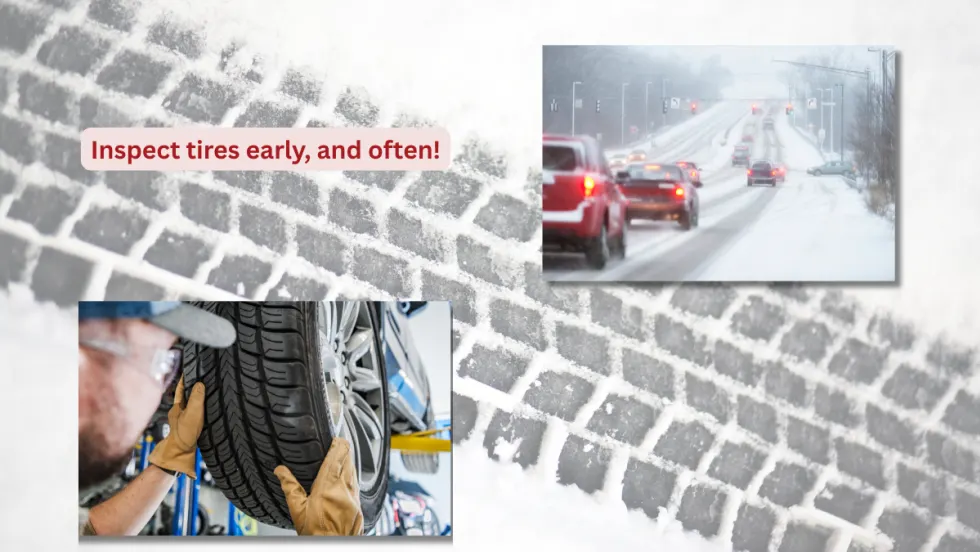
Fleet Managers Share Winter Prep Tips: It's Never Too Early!
Three fleets share best practices to prep vehicles for winter and prevent downtime when the cold sets in.
Read More →