




Hino Trucks Approved For California Voucher Incentive Program
HVIP is an incentive program created to accelerate the deployment of hybrid and zero-emission medium- and heavy-duty vehicles and vehicle technologies.
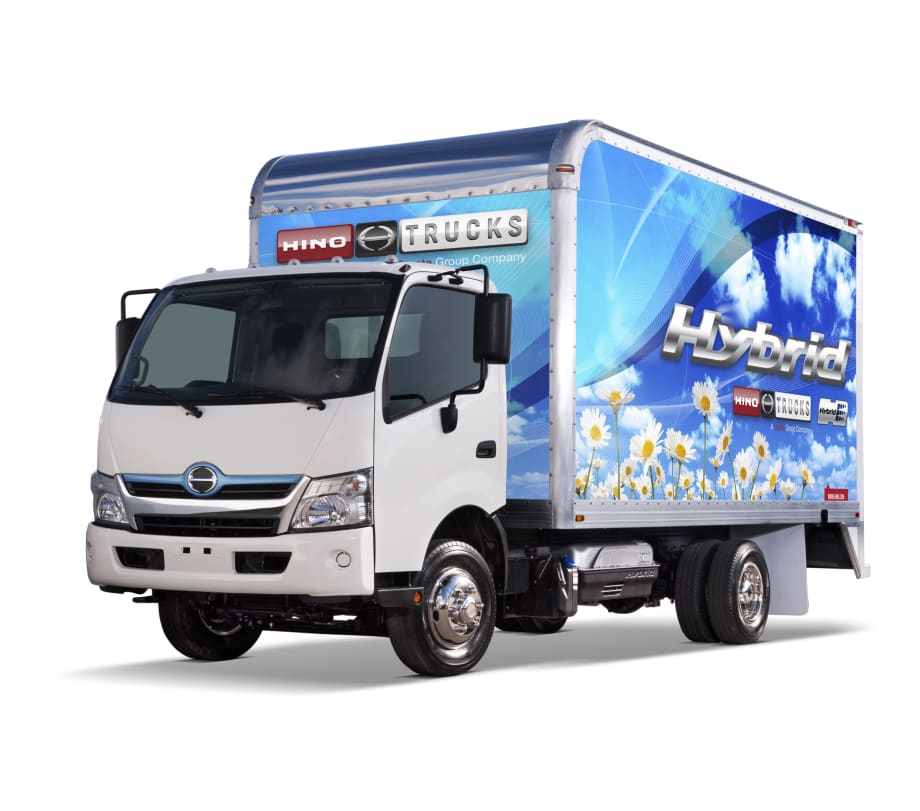
A Hino Hybrid box truck.
A Hino Hybrid box truck.
Hino Trucks' 2013-MY Class 5 195h diesel electric cabover has been approved by the California Air Resources Board and is eligible for the California Hybrid and Zero-Emission Truck and Bus Voucher Incentive Project (HVIP).
HVIP is an incentive program created by CARB to accelerate the California deployment of hybrid and zero-emission medium and heavy-duty vehicles and vehicle technologies. HVIP provides vouchers to help California fleets purchase an eligible truck or bus to further build the market by reducing the costs of these vehicles for fleets that purchase and operate the vehicles in the state.
This provides a public benefit by helping commercialize these technologies and support a critical ramp-up in production that is necessary to meet California's clean air goals.
"California customers will take delivery of the first diesel electric 195h vehicles in November," said Glenn Ellis, Hino vice president of marketing. He added, "The hybrid upcharge on our 195h is only $12,000, so customers who utilize the HVIP can see up to a $25,000 voucher. This means they can purchase a 195h hybrid truck for less than a traditional diesel truck."
Hybrid and electric trucks and buses are fairly new technology and are therefore more expensive than traditional vehicles, especially in the early market years when production volumes are low. CARB recognizes that these vehicles have the proven ability to reduce criteria and greenhouse gas pollutants and aims to accelerate the penetration of these cleaner vehicles to meet state clean air regulations and climate change goals.
For additional information on how to take advantage of the HVIP program visit their website at http://www.californiahvip.org.
More Small Fleet


Developing Budget-Friendly Driver Safety Programs
From driver training and safety meetings to one-on-one coaching and incentive programs, several small fleets share how they have developed a safety culture with their drivers using low- to no-cost resources.
Read More →
Boosting Last-Mile Fleet Uptime, Safety, and Value with AI Vehicle Inspections
AI-powered inspections are transforming last-mile fleets by replacing manual checks with highly accurate automated scans that detect defects in seconds. By giving fleet operations visibility into the daily condition of their vehicles, you can identify trends over the vehicle’s lifecycle that enable improved procurement decisions, route management, driver training and accountability.
Read More →

Five Ways Seat Belts Help Prevent Injuries
There are five ways seat belts protect occupants from injuries, according to the Tennessee Department of Safety and Homeland Security.
Read More →
Basic Tracking vs Next Generation Fleet Technology
Fleet software is getting more sophisticated and effective than ever, tying big data models together to transform maintenance, safety, and the value of your existing tech stack. Fleet technology upgrades are undoubtedly an investment, but updated technology can offer a much higher return. Read how upgrading your fleet technology can increase the return on your investment.
Read More →
It’s here: The 2026 Fleet Technology Trends Report
What does AI mean for fleets? Get the answer — and learn other top tech trends.
Read More →
Small Fleets, Big Impact: How Independent Drivers Power Wreaths Across America
Check out how small fleets and independent drivers power Wreaths Across America each December and why their impact matters more than ever.
Read More →
VMS Survey Finds 65% of Small Fleet Managers Run Operations Alone
A new VMS survey shows small fleet managers are stretched thin, with most handling operations solo and eager to adopt digital tools for relief.
Read More →
Tips for Driving Safely on Halloween Night
This video features a reminder from the Connecticut Department of Transportation (DOT) and the Connecticut Police Chiefs Association, urging drivers to prioritize safety this Halloween.
Read More →
AI, Access, and Uptime: VMS’s Next Chapter with David Prusinski
VMS’s new Co-CEO, David Prusinski, shares how an AI-first approach will give small fleets and repair shops the tools to compete like big players.
Read More →