





Read More: Commercial & Vocational Fleet Maintenance Trends in 2024
Hills Machinery Launches Hills Uptime Operations
Hills Machinery has launched Hills Uptime Operations to support lifecycle fleet management, equipment service, and rental operations throughout its service areas of North Carolina, South Carolina, Georgia, and Virginia.
October 15, 2024
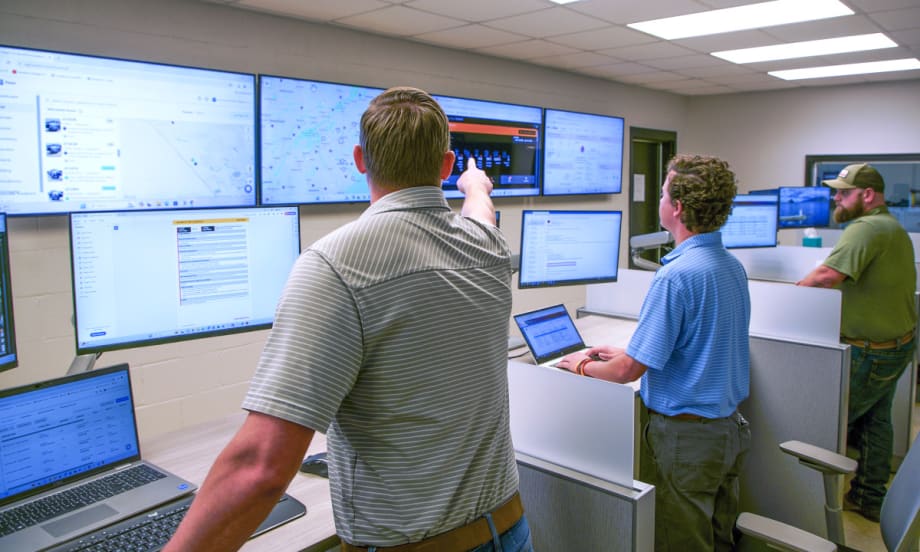
Hills Machinery, a heavy and compact equipment dealer serving the Carolinas, Virginia, and Georgia, has launched its Uptime Operations Group, a team and workspace dedicated to monitoring, servicing, and increasing the uptime of equipment fleets.
Photo: Hills Machinery
4 min to read
Hills Machinery has launched Hills Uptime Operations, a new division that facilitates lifecycle fleet management, real-time equipment monitoring, and service for its customers’ fleets and Hills’ own rental fleet.
Hills is offering Uptime Services to all business owners and fleet managers throughout its service area of North Carolina, South Carolina, Georgia, and Virginia — including companies with mixed fleets looking to centralize all equipment operations in a single platform.
Subscription-Based Program Aimed at Uptime
Hills Uptime Operations will serve businesses through a subscription-based program at either a base, flex service, or full-service package level. Uptime Services are available to all equipment fleets, whether bought from Hills Machinery or not.
“The most vital thing to anyone who oversees a fleet of earthmoving and industrial equipment is the protection of the fleet’s uptime and the ability to minimize downtime events,” said Jim Hills, president, Hills Machinery. “We are bringing to market a fully integrated solution that benefits businesses by centralizing all monitoring and data for machine performance in a single platform. This will simplify the overall flow and interpretation of that data, and tie it directly to service, fleet management and parts actions, keeping equipment running in short order.”
Powered by T3 Cloud-Based Operating System
The company said T3 technology, a powerful combination of hardware, telematics software, and intuitive data analysis, makes the Hills Uptime Operations division possible at its core. This takes fleet management to the next level, according to Hills.
This includes the most basic details about machine location and service hours for preventive maintenance, as well as more in-depth utilization, machine health, and operator performance reports—all empowering the Hills team to make data-driven decisions in proactively monitoring and supporting equipment fleets of all sizes. These resources allow the Hills team to respond intelligently and with the right resources to get machines back up and running more quickly.
Hills renovated a large work area in its Columbia, South Carolina, headquarters to serve as an operations center, complete with wall-to-wall monitors and workspaces to house the staff who will make up the Uptime Operations group.
Identifying Potential Downtime Events in Advance
“This will also give us historical data and trends for each machine in the system, allowing us to get ahead of preventive service needs and also any other service issues that might predict a downtime event,” says Rodney Hancock, Uptime Operations manager, Hills Machinery. “We want to keep each customer up and running as much as possible, with as few trips to our shop, or as few trips by our technicians as possible, keeping service costs and downtime low, while keeping operational profitability high.”
The company explained that the ability to proactively identify needs and potential downtime events before they become greater repair situations is equally powerful. This further supports the company’s new PAE Group, a team of service professionals focused on critical equipment service issues in industries known to be particularly harsh on equipment, such as paving, crushing, and grinding.
“We pride ourselves in that first-time-fix rate,” said Hancock. “This approach allows us to take the fault code, run the troubleshooting matrix, and make sure that the technician goes to the field with all the tools and parts they need to fix the problem so that the customer can get back up and running.”
Scheduling Routine Maintenance for Fleets
As routine maintenance service intervals approach, the Uptime Operations Group will proactively schedule a convenient time and location for service. For operations that complete their equipment maintenance, Uptime Services offers preventive maintenance parts packages for pickup or delivery before the machine is due for service.
Hills said the technology also allows it to become a strong partner in fleet management, lifecycle equipment care, and getting the most out of each equipment investment when the machine hits the secondary market. It will also make it easier than ever to keep track of equipment out on rent and ensure that Hills uses data and intelligence to build a rental fleet that properly meets the demands of local markets and that equipment availability is optimized to meet the ever-growing demand for rental equipment.
“Equipment is now more of a service industry than it is a retail industry,” said Hills. “The resources we are putting in place now will help your business be successful no matter what market you work in.”
More Maintenance
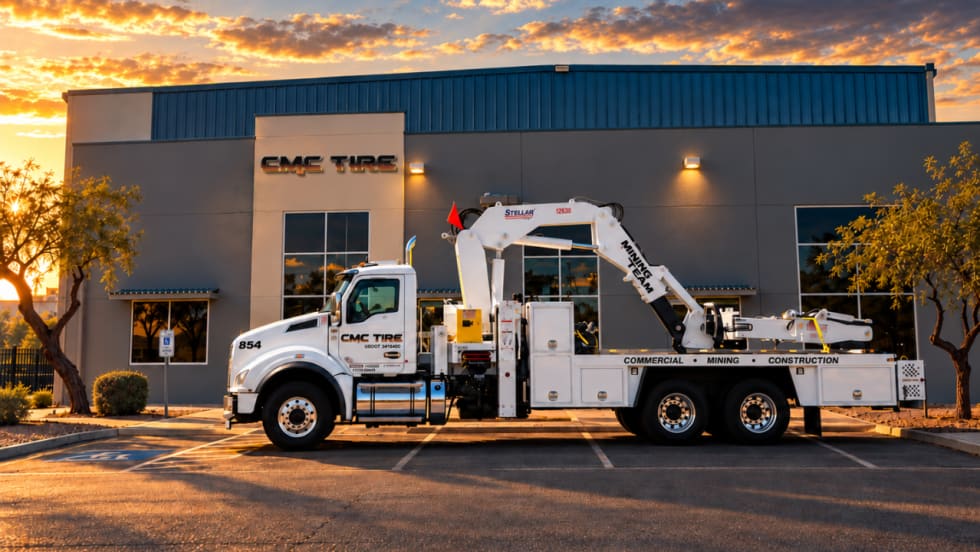
Les Schwab Expands Commercial Tire Footprint Into Arizona
Les Schwab Tires has expanded into Arizona with two commercial tire locations in Phoenix and Tucson, strengthening its fleet service footprint in the Southwest.
Read More →
Volvo Trucks’ 'Lock and Leave' Software Updates Go Live Across North America
Unattended over-the-air software updates are now available in Volvo trucks across the U.S. and Canada. The new capability lets trucks stay current with the latest software without interrupting operations or requiring a dealership visit.
Read More →
Why Technician Appreciation Can’t Be a Once-a-Year Thought
For fleets trying to keep skilled technicians, recognition cannot begin and end with Technician Appreciation Week. Learn what year-round appreciation really looks like and why the everyday technician experience matters just as much as pay when fleets are trying to keep good people.
Read More →
How Faster Driver Reporting Can Keep Small Truck Problems Small
When minor damage, warning lights, or equipment issues are reported late, small problems can quickly become bigger maintenance headaches. Conversational AI can help shorten the path from what a driver notices in the field to the person who can act on it.
Read More →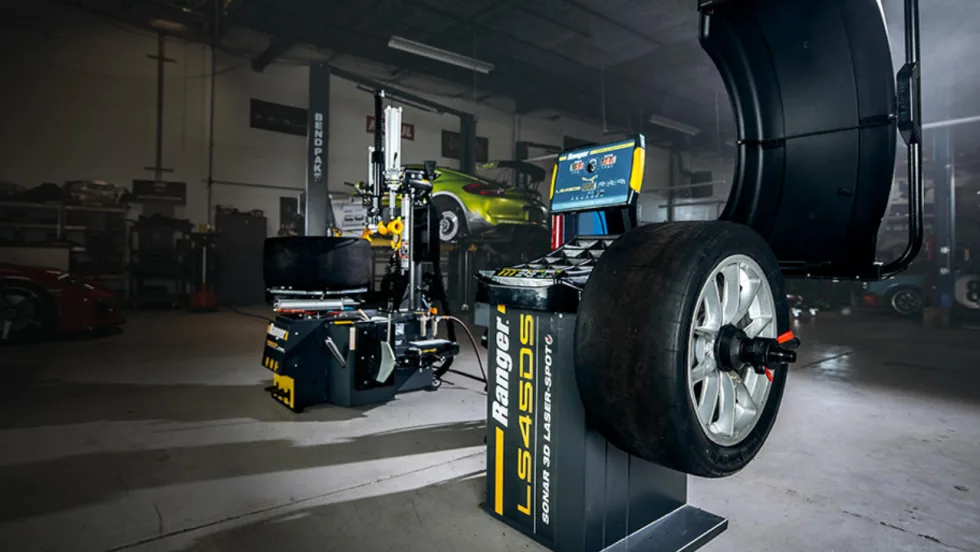
BendPak’s Ranger Wheel Service Equipment Achieves North American Safety Certification
BendPak’s full line of Ranger tire changers and wheel balancers has been ETL certified to UL and CSA standards to improve operator safety.
Read More →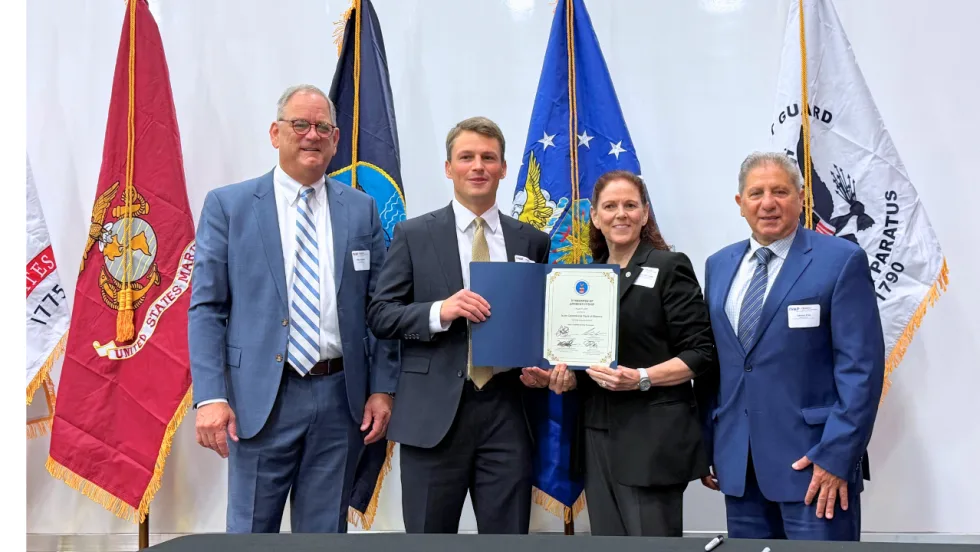
Isuzu & U.S. Department of Labor Celebrate Milestone for Veterans Apprenticeship Program
The Isuzu Veterans Apprenticeship Program (IVAP) signing ceremony highlighted Isuzu’s long-term commitment to veterans, Isuzu dealers, and the skilled workforce supporting its customers and the commercial transportation industry.
Read More →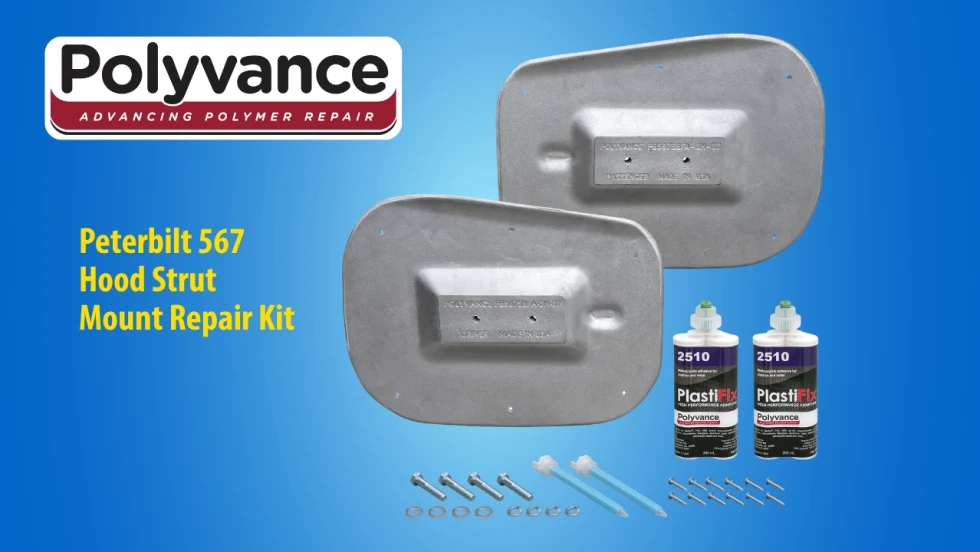
Polyvance Introduces New Peterbilt 567 Hood Strut Mount Repair Kit
Polyvance has launched a repair solution for Peterbilt 567 hood struts, helping truck owners and repair facilities avoid costly hood replacements.
Read More →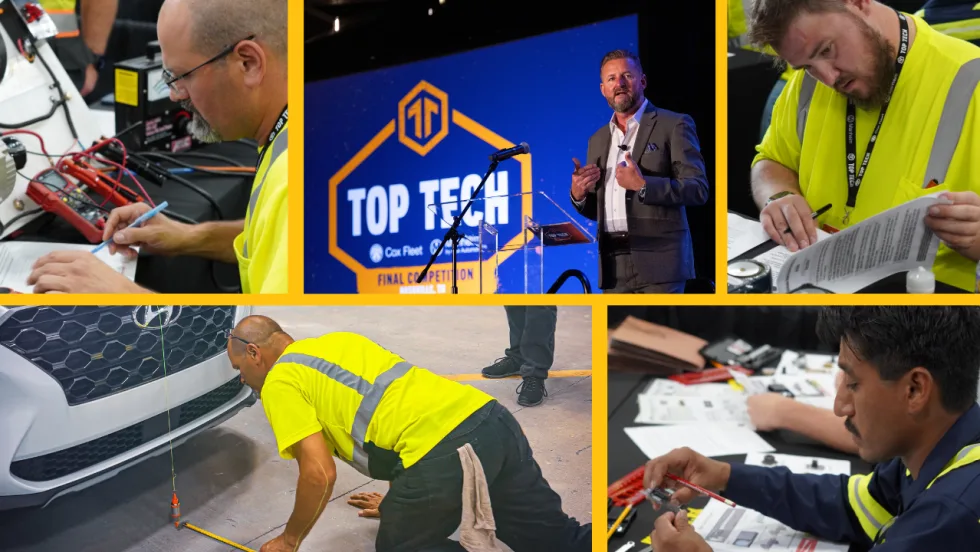
Cox Automotive Celebrates Technical Excellence at 2026 Top Tech Finals
The top technicians from Cox Fleet and Manheim tested their skills in Nashville, Tennessee, at Cox Automotive’s 2026 Top Tech Finals. The overall winners will advance to compete at the American Trucking Association’s TMC SuperTech competition.
Read More →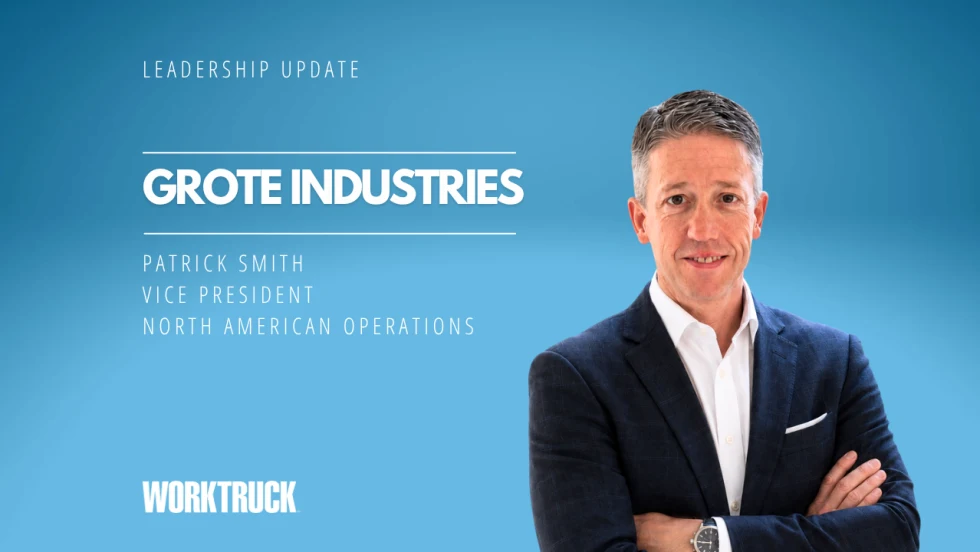
Grote Industries Appoints Vice President of North American Operations
Grote Industries has appointed Patrick Smith as vice president of North American operations as it celebrates 125 years of innovation and manufacturing excellence. He has more than 20 years of manufacturing leadership experience.
Read More →
Winter Fleet Prep: Expert Tips to Keep Vehicles Running Smoothly
Cold weather can expose weak batteries, tires, fuel systems, and maintenance gaps fast. Use this winter fleet checklist to prepare trucks and drivers before temperatures drop.
Read More →