




Government Warns of 15-Passenger Van Rollover Risk
The National Highway Traffic Safety Administration (NHTSA) has announced that 15-passenger vans have a high rollover risk when fully loaded and should be operated only by experienced drivers. NHTSA issued the rare consumer advisory April 9 after finding the vans are three times more likely to roll over when carrying 10 or more passengers than when carrying a lighter load. The study was prompted by a recent series of rollovers involving college sports teams. Four members of the Prairie View A&M University track team were killed and seven others were seriously injured when their van rolled over on the way to a meet last year. Other serious rollover accidents last year involved the Wisconsin-Oshkosh swim team, the DePaul women's track team and the Kenyon College swim team. NHTSA found that when fully loaded, a large van's center of gravity shifts up and to the back, increasing the risk of rollovers, especially in panic maneuvers by drivers. Officials from General Motors Corp., Ford Motor Co. and DaimlerChrysler AG agreed that van drivers need to be especially cautious. Ford, which makes the top-selling Econoline, warns drivers in its owner's manual to avoid sharp turns, excessive speed and abrupt maneuvers, but the other two manufacturers do not. NHTSA officials said there are about 1.4 million 15-passenger vans registered in the United States. In its study, NHTSA examined van crash data from seven states from 1994 through 1997. It found that 12.7 percent of the single-vehicle crashes with fewer than 10 occupants were rollovers, compared with 35.4 percent of accidents with 10 or more people. When 16 or more people were in the van, the number jumped to 70 percent. Experts say rollover risk can be reduced if owners buy high-quality rear tires, keep the gas tank as full as possible and drive conservatively. Passengers should fill front seats first and nothing should ever be loaded on the roof.
More Small Fleet

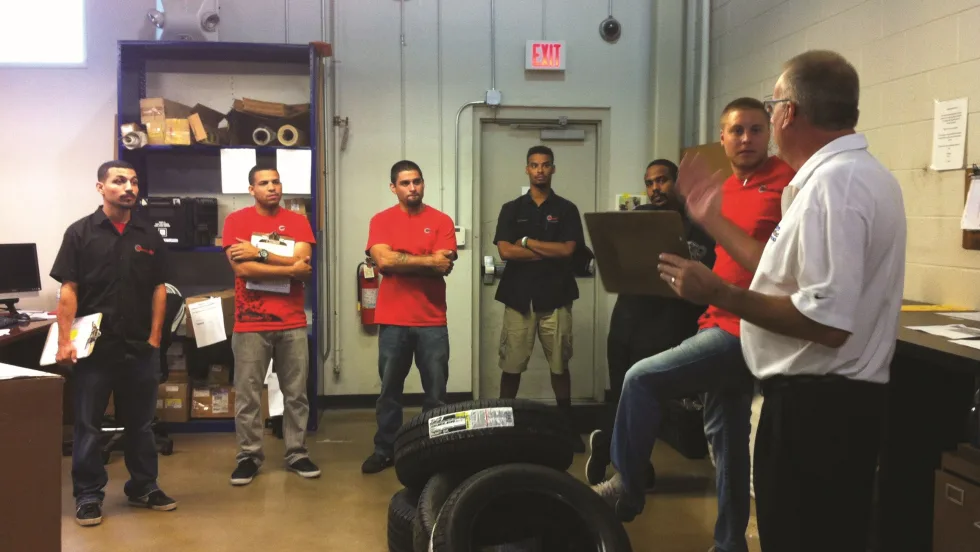
Developing Budget-Friendly Driver Safety Programs
From driver training and safety meetings to one-on-one coaching and incentive programs, several small fleets share how they have developed a safety culture with their drivers using low- to no-cost resources.
Read More →
Boosting Last-Mile Fleet Uptime, Safety, and Value with AI Vehicle Inspections
AI-powered inspections are transforming last-mile fleets by replacing manual checks with highly accurate automated scans that detect defects in seconds. By giving fleet operations visibility into the daily condition of their vehicles, you can identify trends over the vehicle’s lifecycle that enable improved procurement decisions, route management, driver training and accountability.
Read More →

Five Ways Seat Belts Help Prevent Injuries
There are five ways seat belts protect occupants from injuries, according to the Tennessee Department of Safety and Homeland Security.
Read More →
Basic Tracking vs Next Generation Fleet Technology
Fleet software is getting more sophisticated and effective than ever, tying big data models together to transform maintenance, safety, and the value of your existing tech stack. Fleet technology upgrades are undoubtedly an investment, but updated technology can offer a much higher return. Read how upgrading your fleet technology can increase the return on your investment.
Read More →
It’s here: The 2026 Fleet Technology Trends Report
What does AI mean for fleets? Get the answer — and learn other top tech trends.
Read More →
Small Fleets, Big Impact: How Independent Drivers Power Wreaths Across America
Check out how small fleets and independent drivers power Wreaths Across America each December and why their impact matters more than ever.
Read More →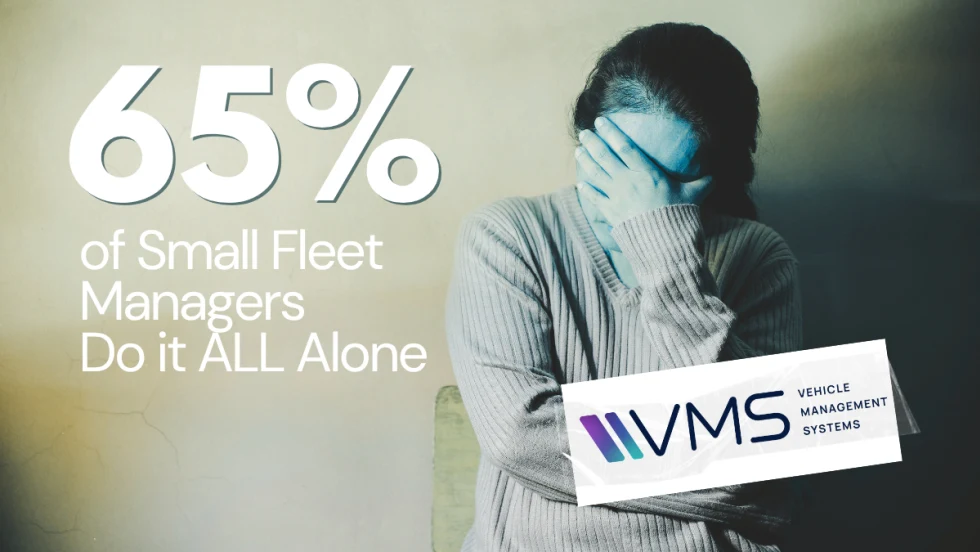
VMS Survey Finds 65% of Small Fleet Managers Run Operations Alone
A new VMS survey shows small fleet managers are stretched thin, with most handling operations solo and eager to adopt digital tools for relief.
Read More →
Tips for Driving Safely on Halloween Night
This video features a reminder from the Connecticut Department of Transportation (DOT) and the Connecticut Police Chiefs Association, urging drivers to prioritize safety this Halloween.
Read More →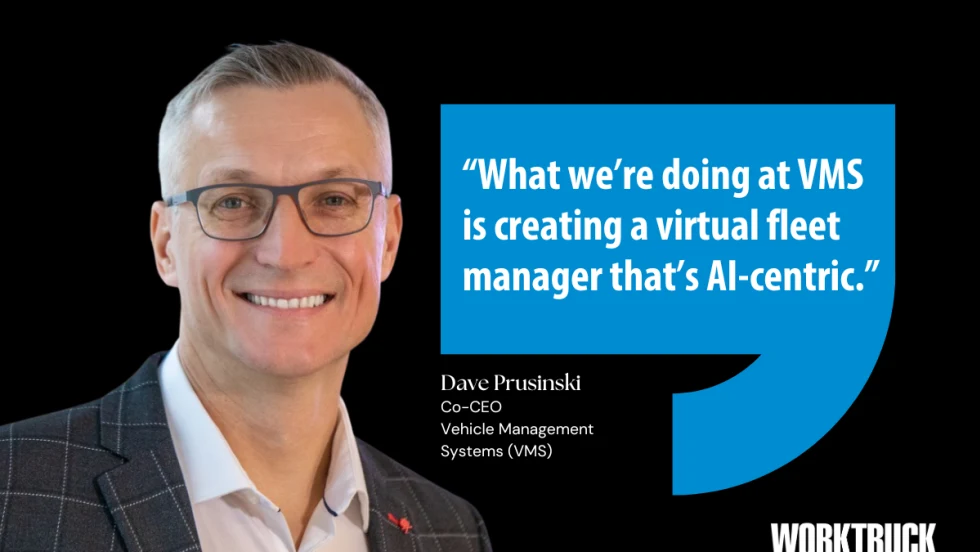
AI, Access, and Uptime: VMS’s Next Chapter with David Prusinski
VMS’s new Co-CEO, David Prusinski, shares how an AI-first approach will give small fleets and repair shops the tools to compete like big players.
Read More →