





Related: GM Extends Warranties for More Than 281,000 Replacement Parts
GM Offers Optional Extended Warranty
General Motors has begun offering an extended bumper-to-bumper warranty to its customers that matches the time span of the powertrain warranty. The new bumper-to-bumper warranty is available on new vehicles purchased on or after Oct. 15 for the 2018 or 2019 model year.
October 15, 2018
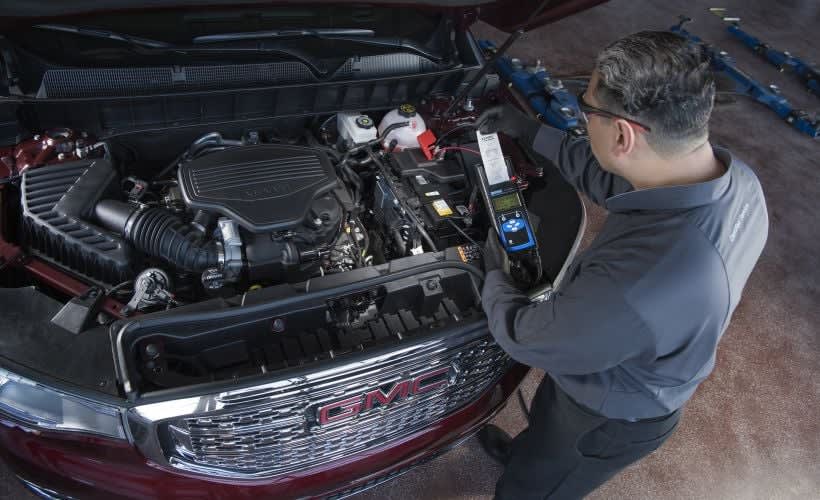
General Motors is offering an optional bumper-to-bumper extended warranty that would offer protection of five years or 60,000 miles on a new Chevrolet Silverado.
Photo courtesy of GM.
2 min to read
General Motors has begun offering an extended bumper-to-bumper warranty to its customers that matches the time span of the powertrain warranty. The new bumper-to-bumper warranty is available on new vehicles purchased on or after Oct. 15 for the 2018 or 2019 model year, according to the company.
The upgraded warranty would cover Chevrolet and GMC vehicles for five years or 60,000 miles and Buick and Cadillac vehicles for six years or 70,000 miles. The standard bumper-to-bumper warranties offer three years or 36,000 miles for Chevrolet and GMC and four years or 50,000 miles for Buick and Cadillac.
"Fleet owners look at total cost of ownership when purchasing their vehicles," said Ken Mac, director of Chevrolet, Buick, GMC, Cadillac Protection. "This total includes the initial purchase price, the cost to maintain and repair, and the resale value, as some companies tend to turn their vehicles over in just a few short years. The extended limited warranty can help fleet owners maintain a higher overall resale value as it offers the new buyer continued bumper-to-bumper coverage and the confidence that the vehicle has been repaired with GM original equipment parts."
Pricing would be set by the dealer, and GM has recommended a price from $1,000 to $2,000 depending on the model. Fleet purchasers can add the warranty after they ordered the vehicle but before it has been delivered. Once purchased, the warranty would stay with the vehicle, even if it changes ownership, which could increase its residual value, said Rita Kass-Shamoun, a GM spokesperson.
"We believe this could be a selling point from the original vehicle buyer to the second vehicle owner," said Kass-Shamoun. "We believe this will increase the residual value."
Commercial fleets that lease their vehicles typically keep a vehicle for about three years, but government agencies, especially those that purchase vehicles through local dealerships, tend to keep them longer. The warranty isn't available to daily rental fleets, according to GM.
"People who lease typically keep the vehicle for 24-36 months, so most of them are always covered by the base bumper-to-bumper limited warranty," Mac said. "But if you buy, analysts say you’ll likely keep your new vehicle for over six years. This true extended warranty can keep the average customers covered for most if not all of the time they own their vehicle."
The new warranty differs from service contracts offered by dealers to help buyers protect themselves against unexpected repairs. Any warranty service is completed without needing to file a claim or paying a deductible. The option would be included in the overall price of the vehicle and could be folded into a loan or lease.
Topics:Maintenance ManagementGMCCadillacWarranties2019-MYChevroletLeasingBuickGeneral MotorsMaintenanceVehicle ResearchSmall Fleet
Originally posted on Automotive Fleet
More Vehicle Research
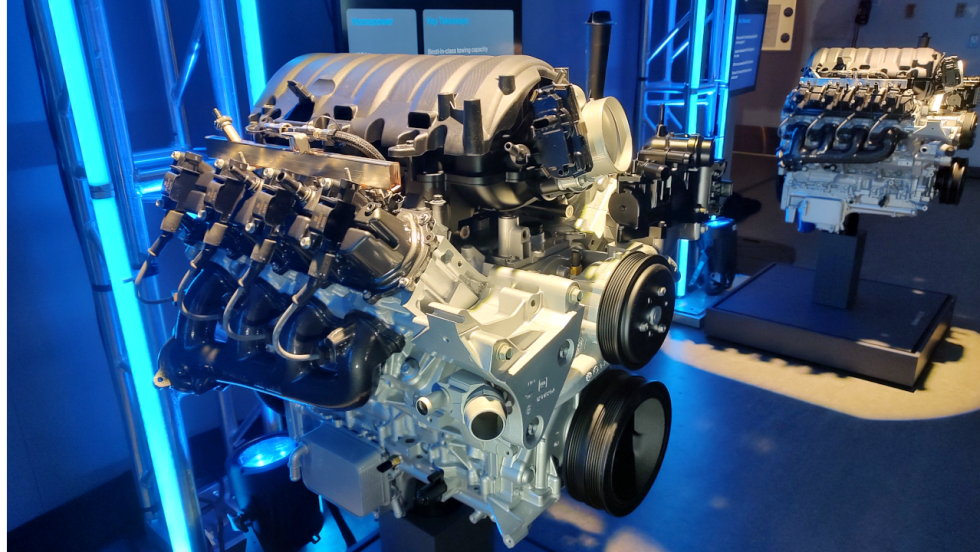
GM Unveils New Sixth-Generation Small Block Engines for 2027 Light-Duty Pickups
General Motors unveiled two new small-block engines, backed by extensive real-world validation and more than 70 years of small-block V8 manufacturing experience, as part of the engine portfolio for the 2027 Chevrolet Silverado 1500 and GMC Sierra 1500.
Read More →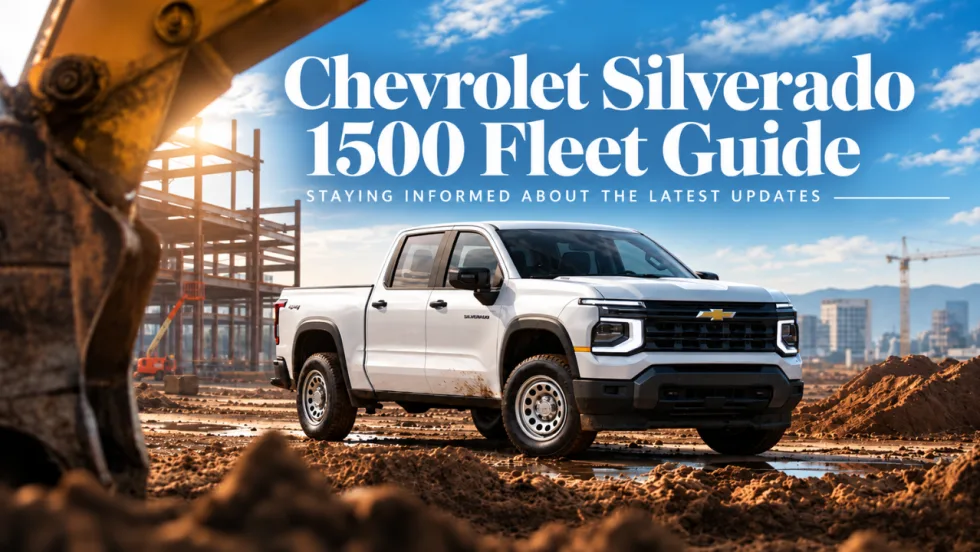
Chevrolet Silverado 1500 Fleet Guide Specs Capability and 2027 Model-Year Updates
The next-generation 2027 Chevrolet Silverado 1500 brings new V-8 engines, updated technology, expanded safety features, and a fleet-focused Work Truck. Here’s what commercial fleets need to know so far.
Read More →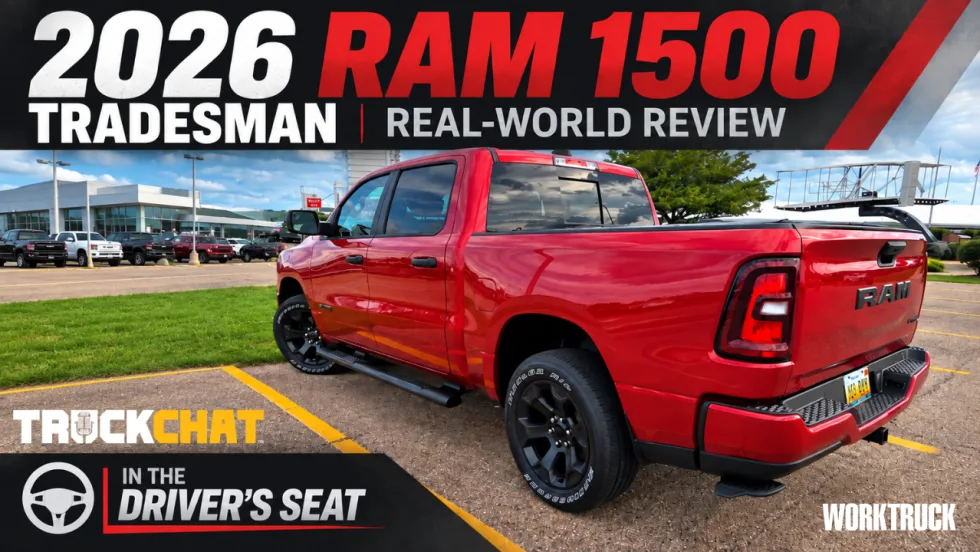
2026 Ram 1500 Tradesman Put to a Real-World Fleet Test
A few days behind the wheel of a 2026 Ram 1500 Tradesman turned into a test of visibility, parking, work-ready features, and even severe-weather driving.
Read More →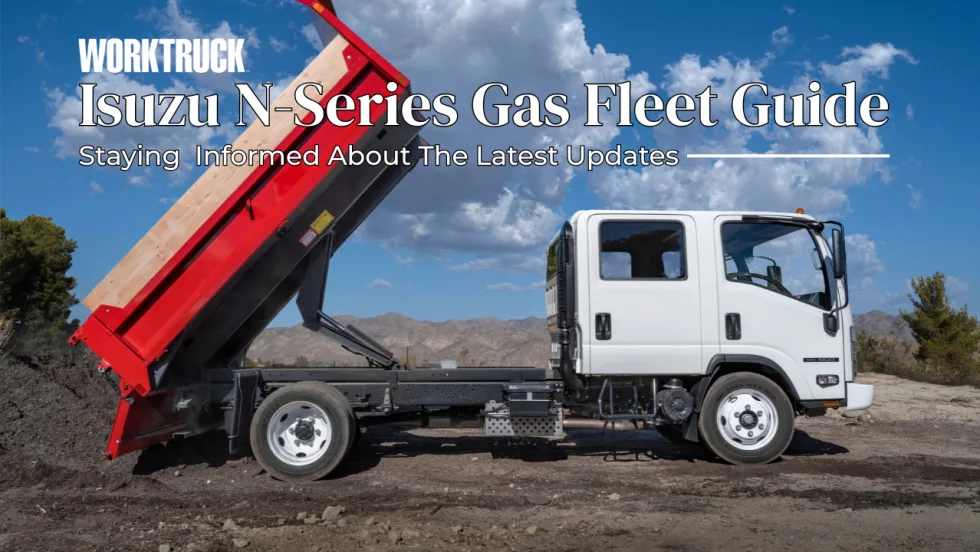
Isuzu N-Series Gas Fleet Guide: Specs, Capability and 2027 Model-Year Updates
Explore Isuzu Truck North America’s N-Series Gas fleet specs, engine performance, GVWR and payload capability, configurations, chassis dimensions, work-focused features, and 2027 model-year information.
Read More →
Ram ProMaster City Fleet Guide Specs Cargo Capacity and 2027 Updates
Work Truck’s Ram ProMaster City Fleet Guide tracks the latest specifications, cargo capability, configurations, fleet technology, pricing, and model-year updates for Ram’s mid-size commercial van.
Read More →
Ford F-150 Fleet Guide Specs Capability and 2026 Model-Year Updates
Explore 2026 Ford F-150 fleet specs, engines, towing and payload capability, configurations, work features, technology, and model-year updates.
Read More →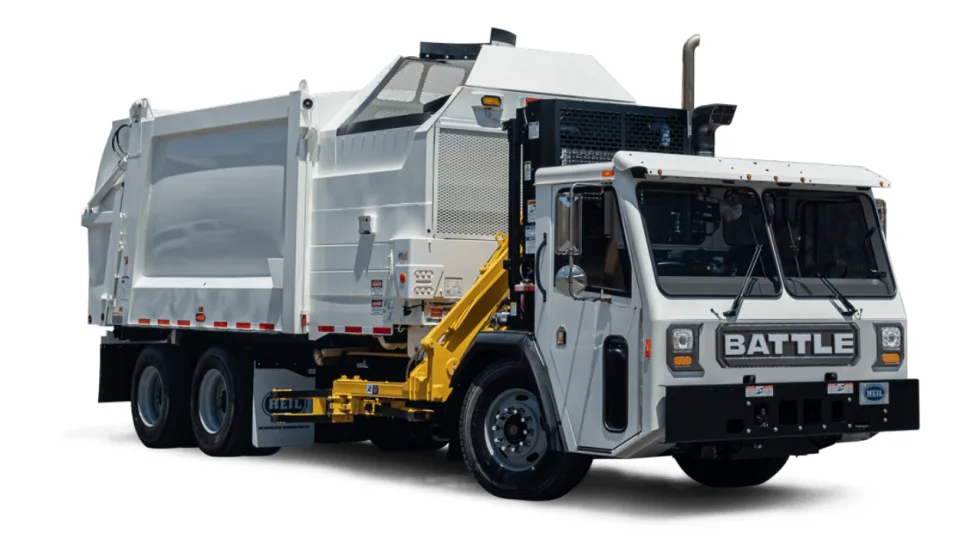
TCI Now Sells & Supports Battle Motors’ Vocational Trucks
Midwest truck dealer Truck Centers, Inc. (TCI) has expanded its transportation solutions with sales and service support for Battle Motors’ heavy-duty vocational trucks at locations in locations in Indiana, Illinois, and Missouri
Read More →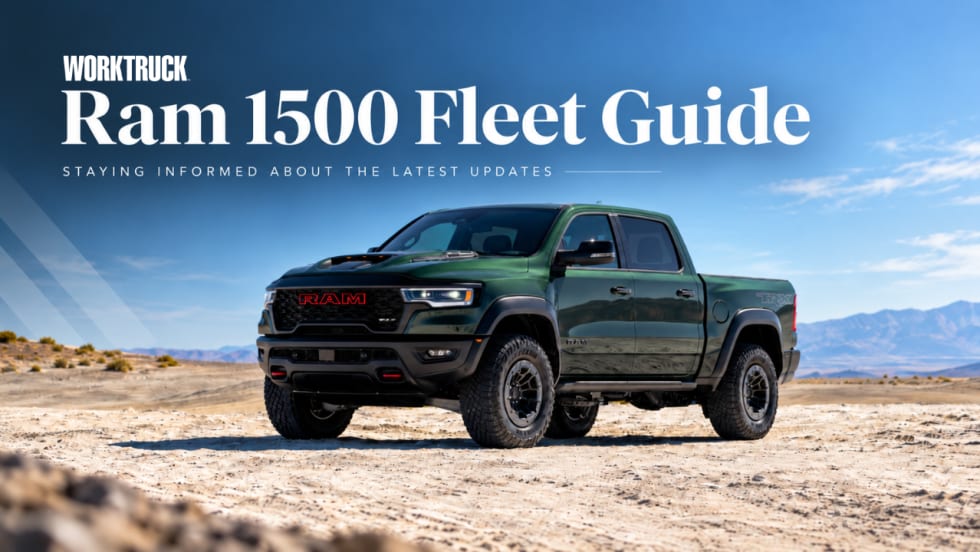
Ram 1500 Fleet Guide Specs, Capability and 2027 Model-Year Updates
Explore always up-to-date Ram 1500 fleet specs, engines, towing and payload capability, configurations, technology, pricing updates, and model-year changes.
Read More →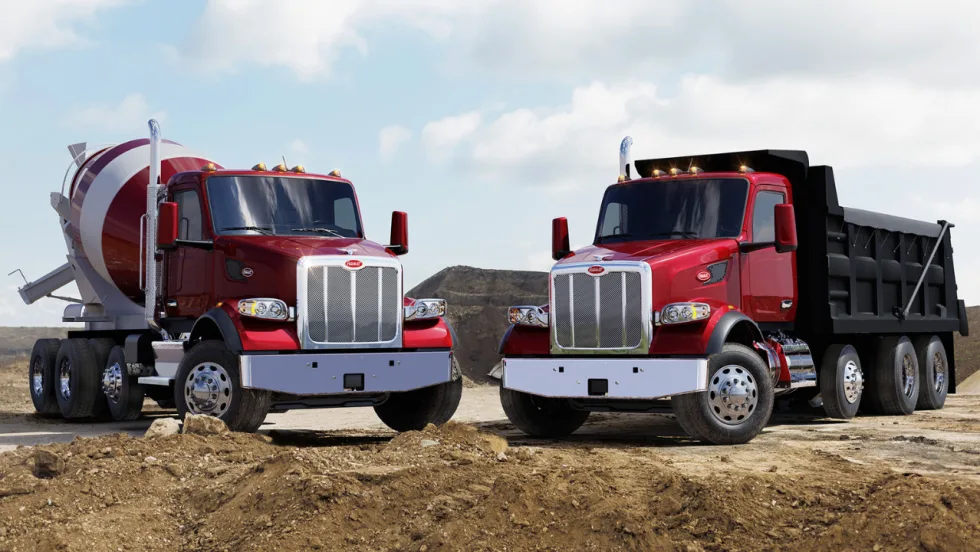
Peterbilt Trucks Equipped with Paccar TX-18 Pro Boost Efficiency for Maryland Fleet
Patuxent Companies is replacing aging trucks with the Peterbilt Model 567 and Model 589, specified with the Paccar TX-18 Pro 18-speed automated transmissions, and is reporting an 8% to 10% improvement in fuel economy.
Read More →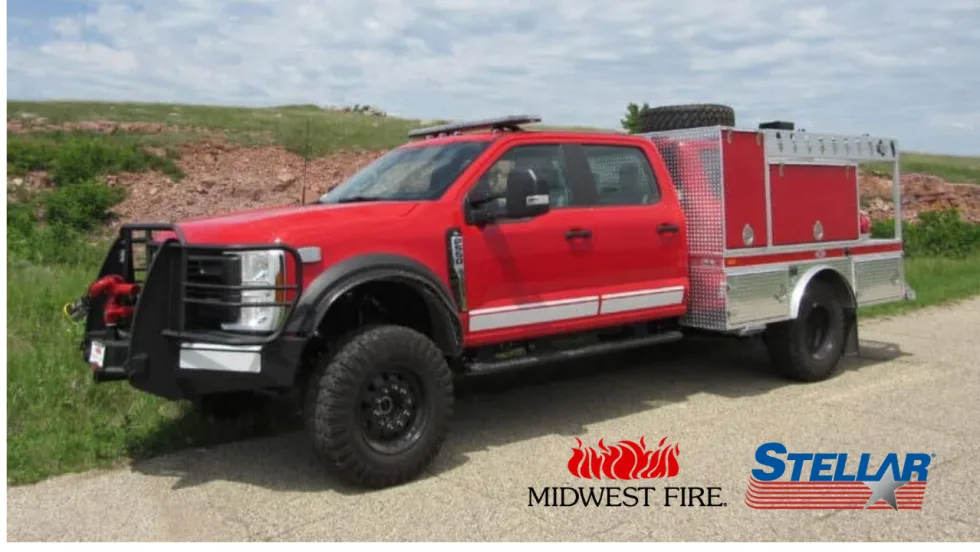
Stellar Expands into Fire Apparatus Market with Acquisition of Midwest Fire
Stellar Industries has acquired Midwest Fire, a custom fire apparatus manufacturer headquartered in Luverne, Minnesota, with nearly four decades of specialized apparatus experience.
Read More →