




GM & Glencore Enter Cobalt Supply Agreement
Cobalt is an important metal in the production of EV batteries, and the cobalt processed from Australia will help power electric vehicles such as the Chevrolet Silverado EV.

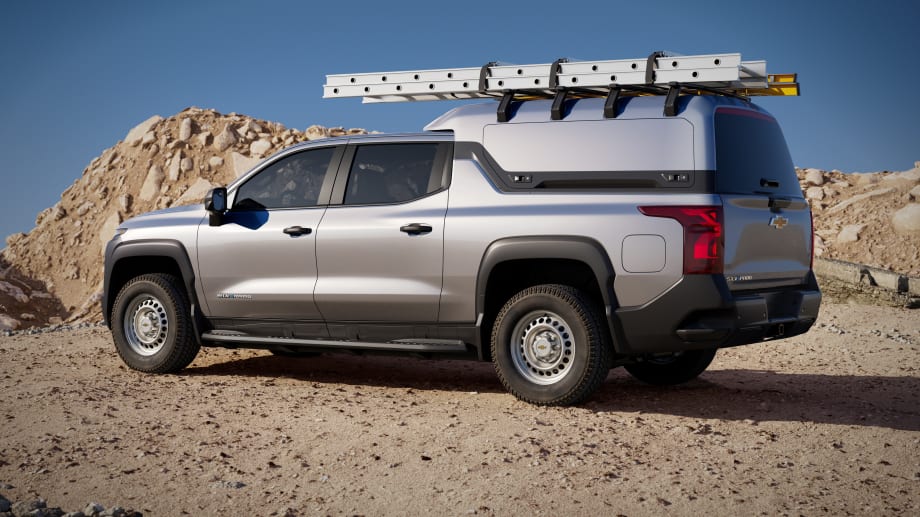
The 2024-MY Chevrolet Silverado EV will be offered in a WT model for vocational fleets.
Photo: Chevrolet
Glencore and General Motors Co. announced a multi-year sourcing agreement in which Glencore will supply GM with cobalt from its Murrin Murrin operation in Australia.
Cobalt is an important metal in the production of EV batteries, and the cobalt processed from Australia will be used in GM’s Ultium battery cathodes, which will power electric vehicles such as the Chevrolet Silverado EV, GMC HUMMER EV, and Cadillac LYRIQ.
The agreement builds on a commitment both companies share to create strong, sustainable and resilient supply chains through collective industry and multi-stakeholder platforms, according to a release. Both Glencore and General Motors are members of the Responsible Minerals Initiative (RMI), and Glencore’s Murrin Murrin operation is conformant with the OECD-aligned Responsible Minerals Assurance Process.
“GM and our suppliers are building an EV ecosystem that is focused on sourcing critical raw materials in a secure sustainable manner,” said Jeff Morrison, GM vice president, Global Purchasing and Supply Chain. “Importantly, given the critical role of EVs in reducing the carbon footprint of the transportation sector, this agreement is aligned with our approach to responsible sourcing and supply chain management.”
Cobalt is a metal that makes up only 0.001% of the earth’s crust. It is known for its heat-resistant properties and is added to lithium-ion battery cathodes to improve energy density and battery longevity.
By the end of 2025, GM plans to have capacity to build 1 million electric vehicles in North America, and has announced a series of actions to create a new and more secure EV supply chain, including projects targeting key EV materials and components:
Cathode Active Material (CAM) with POSCO Chemical. GM and POSCO Chemical are building a new facility in Quebec, Canada, as part of their joint venture to produce CAM for GM’s Ultium batteries.
Lithium with Controlled Thermal Resources (CTR) to secure lithium produced by the first stage of its Hell’s Kitchen Project in California.
Rare earth materials with GE, to develop a rare earth value chain.
Alloy flakes with MP Materials, who will establish the first North American processing site for alloy flakes. The company will then expand into magnet manufacturing around 2025 at its new production facility in Fort Worth, Texas.
Permanent magnets with VAC, the largest producer of permanent magnets in the Western Hemisphere with nearly 100 years of experience. VAC will establish a North American footprint to support GM’s magnet requirements starting in 2024, including locally sourced raw materials and finished magnet production.
More Green Fleet

Fleet Forward Conference Introduces One-Day Passes for 2026
New one-day registration gives fleet professionals the flexibility to attend Tuesday, Wednesday, or Thursday, with passes available for $199 through Sept. 18.
Read More →
CALSTART Rebrands as Catalyst Mobility, Will Combine with Forth in 2027
CALSTART has rebranded as Catalyst Mobility and will combine with Forth at the start of 2027. The new organization said it is poised to become one of the world's largest, strongest, and most impactful clean transportation nonprofits.
Read More →
Electric Truck and Charging Programs to Boost Sustainability at NY & NJ Ports
Together, the Port Authority of New York and New Jersey and CALSTART will electrify drayage and terminal operations serving the East Coast’s busiest container port. A pair of incentive programs totaling $45 million has launched to accelerate adoption of zero-emission drayage trucks and terminal tractors.
Read More →
Xos Hub Surpasses One Gigawatt-Hour of Energy Delivered in the Field
A single Xos Hub has surpassed one gigawatt-hour of energy across more than 33,600 charging sessions in the field, demonstrating performance that supports Xos' expansion across new products and markets.
Read More →
Carrier Transicold Launches All-Electric Vector 8200 TRU for Diesel-Free On-Site Cold Storage
Carrier Transicold’s first engineless multi-temperature TRU helps fresh- and frozen-food fleets add supplemental cold storage capacity during seasonal peaks.
Read More →
Narro Trucks Introduces Electric Utility Vehicle
Narro Trucks officially launched its operations on Aug. 20 and hosted a ride and drive to showcase its electric truck, which will be produced in Virginia.
Read More →
Samsung SDI Takes Full Control of GM Battery JV as Indiana Plant Pivots to Energy Storage
Samsung SDI is taking full control of its Indiana battery plant with GM, marking a major shift from the EV-focused joint venture Charged Fleet first covered in 2023.
Read More →
NWSA Taps CALSTART to Administer Zero-Emission Drayage Assistance Program
CALSTART will provide free technical assistance services to drayage fleets serving the Ports of Seattle and Tacoma and looking to transition to cleaner technologies and help decarbonize freight hubs.
Read More →
EV Fleet Reality Check: What Operators Wish They Knew Before Electrifying Their Work Vans
Electric work truck upfits bring new compatibility questions. Learn how parts availability, OEM guidance, power demands, and route planning can affect fleet performance.
Read More →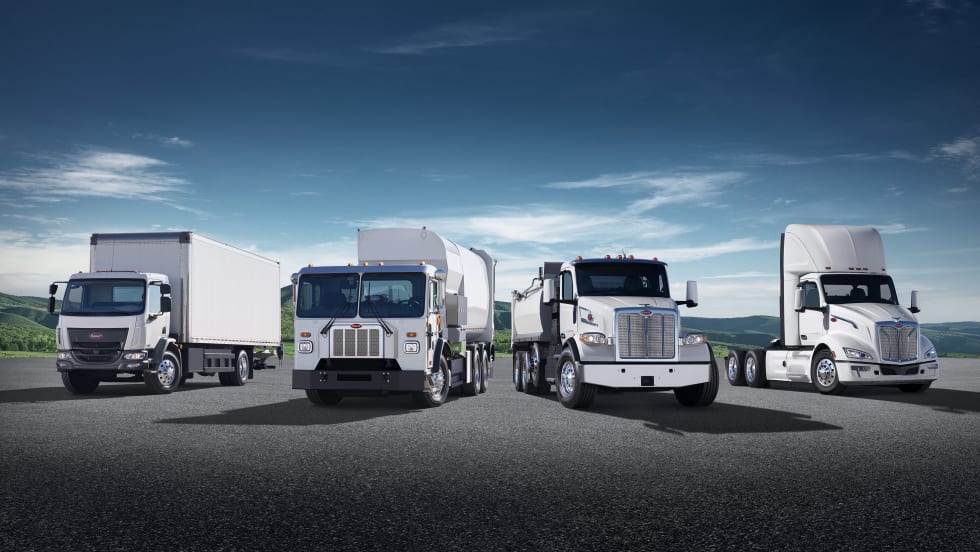
Peterbilt Expands Sourcewell Partnership with Electric Vehicle Lineup
Peterbilt Motors Company’s cooperative purchasing agreement with Sourcewell and its Canadian partner, Canoe Procurement Group, now includes including Peterbilt's battery-electric vehicle lineup.
Read More →