




Georgia Tech PhD Students Join Geotab Teams in $223K Traffic Study
Georgia Tech PhD students are partnering with Geotab on a $223K research project to study traffic data and improve mobility and safety.


PhD students from Georgia Tech are working with Geotab on a $223K traffic research project focused on mobility, safety, and congestion in Atlanta.
Photo: Work Truck | Geotab
Geotab Inc. announced a research investment of up to $223,000 to support a doctoral project at Georgia Tech. The funding allows PhD students to work with Geotab staff to study traffic patterns and explore ways to improve road safety using advanced data and AI tools.
Geotab and Georgia Tech formalized their collaboration through a Master Agreement that opens the door for joint research between Geotab teams, faculty, and students.
“We are driven by innovative research,” said Neil Cawse, founder and CEO of Geotab. “Geotab is marking its 25th anniversary, celebrating remarkable global growth, pioneering AI driven innovation, and continuing to support research in the communities we serve. Georgia Tech is a key community partner that is helping us improve a real-world problem — traffic congestion — by embedding researchers on our teams where they can learn and contribute alongside one another.”
The project, Assessing the Potential of Geotab’s Altitude Data for Urban Freight and Mobility Insights, is being led by Dr. Sofia Perez-Guzman and Dr. Benoit Montreuil. The research focuses on analyzing traffic in the Atlanta area and evaluating how Altitude by Geotab can help validate traffic congestion models. PhD candidates began embedded researcher roles at Geotab this summer, working directly with internal teams.
“We’re excited about this collaboration to drive innovation in mobility systems,” said Pinar Keskinocak, chair of the H. Milton Stewart School of Industrial and Systems Engineering at Georgia Tech. “It reflects Georgia Tech’s commitment to advancing technology with tangible societal benefits and preparing our students to tackle real-world challenges. Leveraging advanced data analytics and AI, this collaboration will address critical mobility challenges and improve traffic flow, safety, and freight logistics and bring transformative change in urban transportation systems and smarter cities, starting with Atlanta.”
Geotab also works with Georgia Tech through its annual Engineering Capstone Design competition and the Supply Chain and Logistics Institute Industrial Advisory Board. This includes a keynote and panel discussion earlier this year where Cawse spoke with students, researchers, and partners about how Geotab uses data and AI to support fleet operations.
Watch the latest Automotive Fleet interview with Neil Cawse to hear more about his insights and vision for the industry:
More Technology
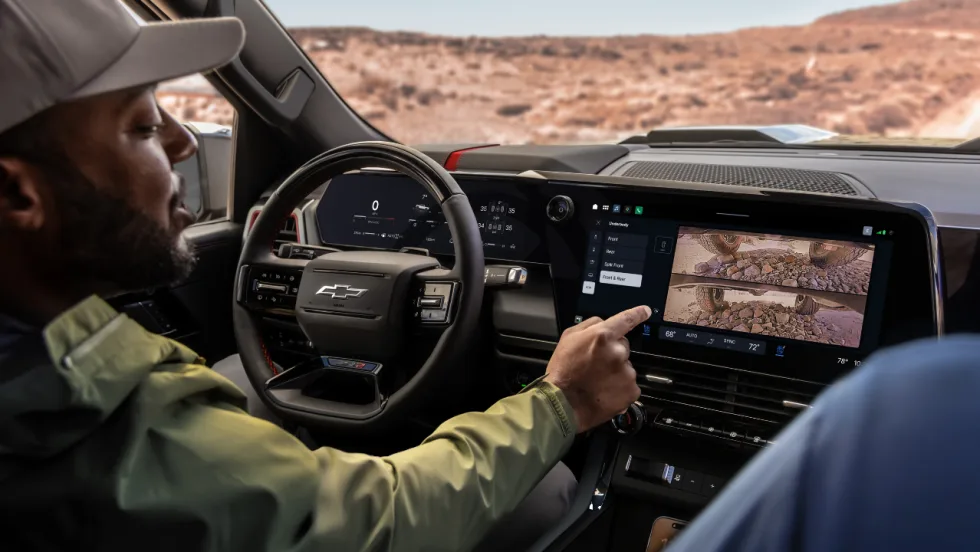
GM Brings New Truck Focused Interface to 2027 Silverado and Sierra
GM's new pickup interface puts trailering data, camera views, vehicle controls, and smartphone integration closer to the driver in the 2027 Silverado and Sierra.
Read More →
Samsara Driver Perks Expands Rewards Beyond the Long Haul Driver
Samsara’s new driver rewards program was built with a broader professional driver in mind, including employees who split their day between driving, job sites, service calls, and other work.
Read More →
AI Service Advisor Aims to Cut Fleet Repair Downtime
Fleetio said its AI Service Advisor can help fleets cut repair downtime by an average of 2.5 hours per repair while reducing manual maintenance work.
Read More →
Verra Mobility Launches AI-Driven Title & Registration Solution
Verra Mobility has launched a new AI-driven Title & Registration platform to help fleets move vehicles from acquisition to the road the same day while reducing compliance risk.
Read More →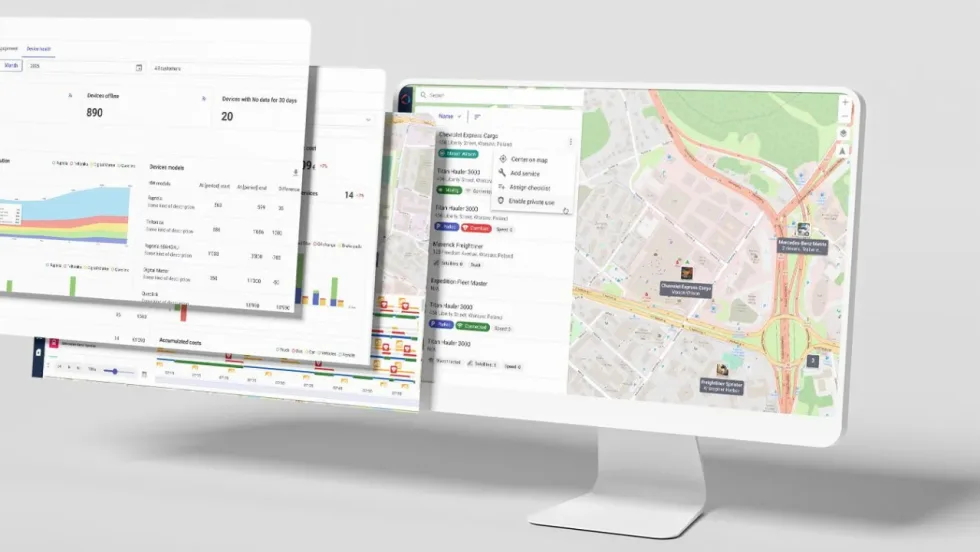
Wialon Unlocks OEM Data to Give Fleet Owners Data Ownership & Operational Clarity
Wialon has introduced hardware-free OEM integration as the EU Data Act accelerates the shift in vehicle data access across the fleet industry in many countries.
Read More →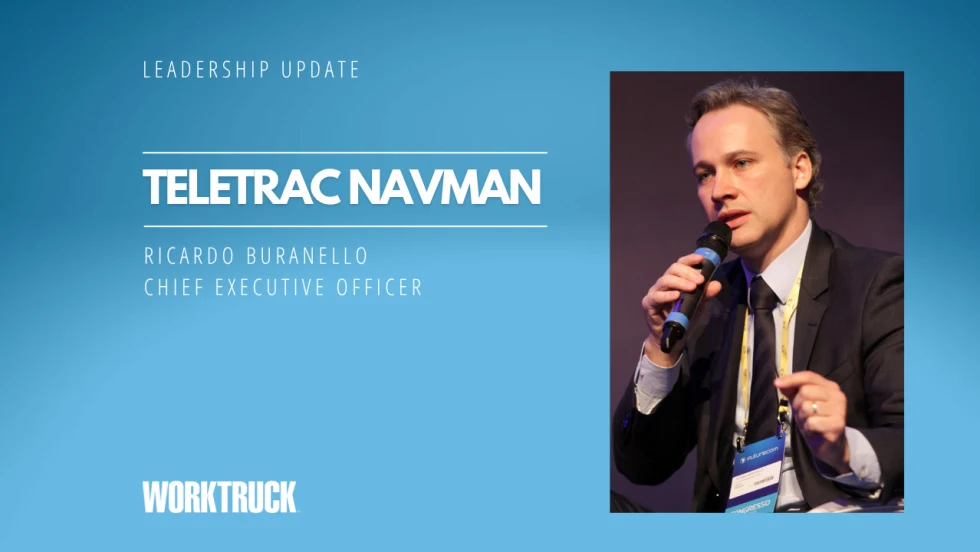
Teletrac Navman Promotes New CEO from Within
Teletrac Navman’s next CEO, Ricardo Buranello, has served as the company’s chief financial and operating officer. He brings deep financial and operational expertise, a strong strategic orientation, and an intimate knowledge of the business to his new role.
Read More →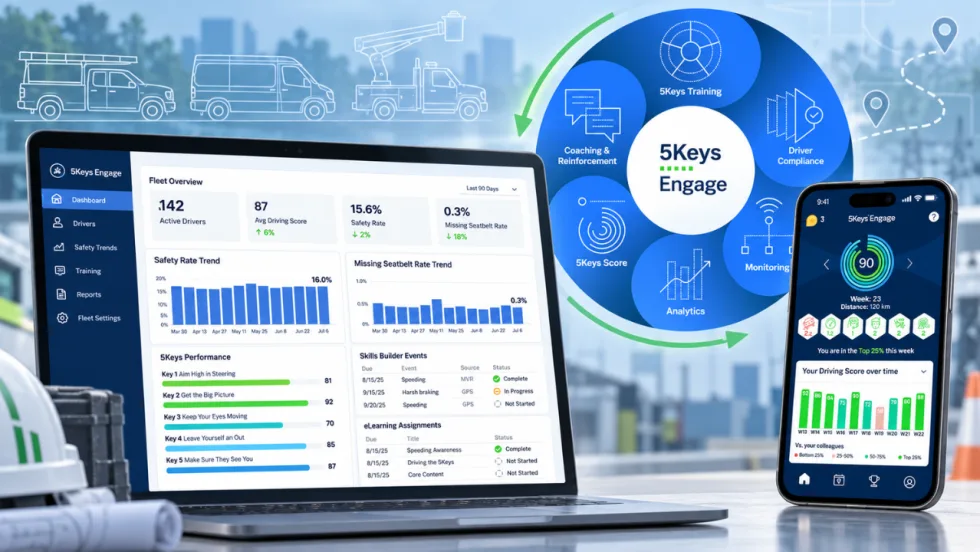
Smith System Wants Work Truck Fleets to Look Beyond the Driver Alert
Smith System’s new Driver Risk Management program is built to help mixed work truck fleets turn telematics alerts and observations into specific behaviors, coaching actions, and measurable follow-up.
Read More →
Ford Pro Software Updates: August 26
Check out the latest Ford Pro software updates, including Google Maps integration, Remote Vehicle Alarm integration, Motor Pool for easier management of shared pool vehicles, and more.
Read More →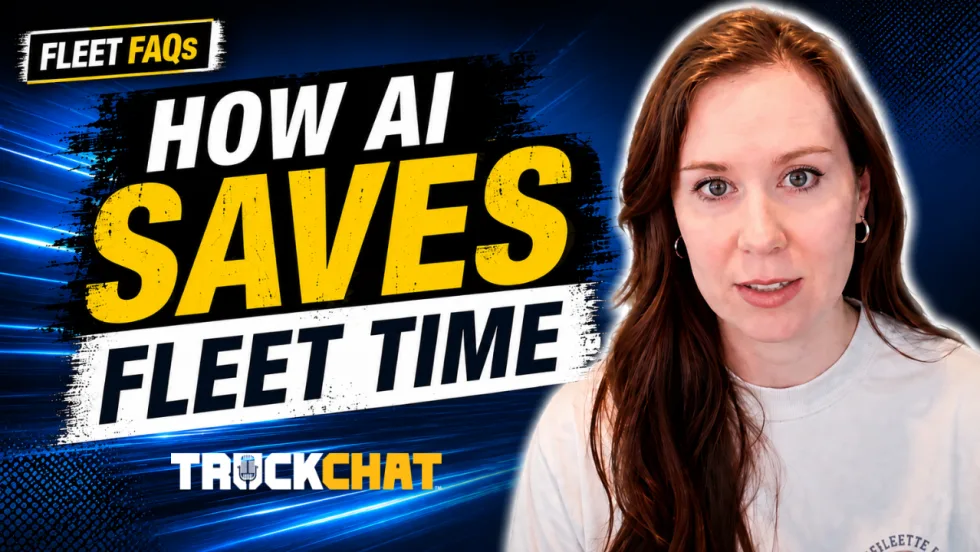
Where AI Is Actually Saving Fleet Managers Time
AI is moving past the buzzword stage and into the daily fleet workflow. Fleetio’s Brianna Perry Lang breaks down where fleets are seeing real time savings, from maintenance and data entry to repair decisions, safety, and compliance
Read More →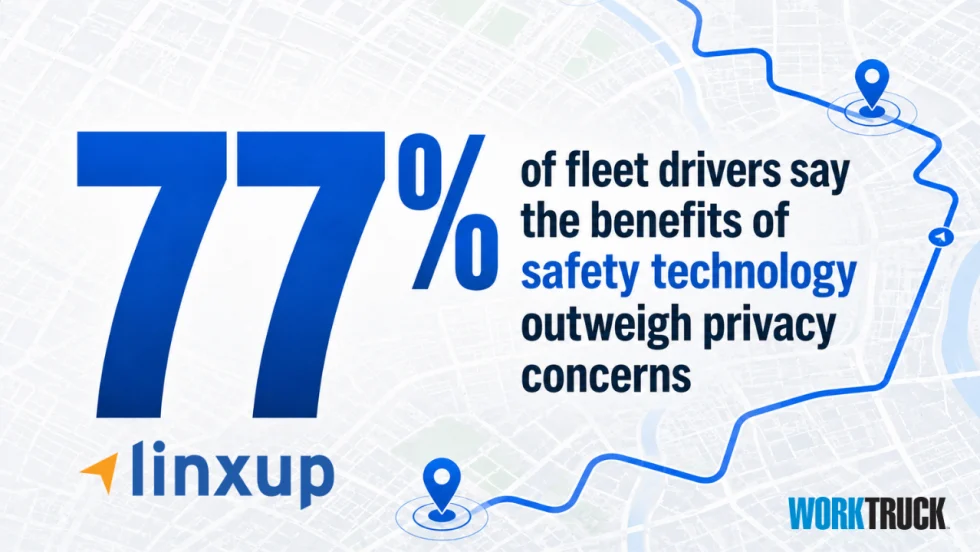
Are Work Truck Drivers Warming Up to Dash Cams and GPS Tracking?
A new survey finds field-service drivers may be more comfortable with dash cams and GPS tracking than fleet managers think, especially when the technology helps protect them after a crash.
Read More →