




GEM Neighborhood Electric Vehicles Solidify Market in 2003
More than 28,000 GEM electric vehicles will be in use by the end of 2003, which Global Electric Motorcars says will solidify its status as the nation’s number one producer of street-legal electric vehicles. “When we look back on 2003, we will see it as the year that GEM caught on,” said Larry Oswald, CEO of Global Electric Motorcars, the division of DaimlerChrysler that produces GEMs. “The GEM market is gathering momentum, and we are on track to achieve our long-term goal of establishing GEM neighborhood electric vehicles as a sustainable business,” Oswald said. Meanwhile, GEM says it has benefited from the engineering capabilities of DaimlerChrysler, resulting in continuous improvements in quality and onboard features of the zero emission vehicles. Oswald briefed the media on the GEM electric vehicle business Nov. 16 at EVS-20, the international electric vehicle symposium and exhibition held in Long Beach, Calif. Customers for GEMs have come from the growing planned community segment, industrial and commercial parks and manufacturing facilities. College campuses have also been a popular site for GEMs. In addition to ongoing retail sales, DaimlerChrysler has partnered with governments at the city, state and federal levels to put GEMs to use in urban areas, parks, military bases and other public facilities. “These programs have succeeded just as we hoped,” said GEM President and COO Rick Kasper. “They have put GEMs into everyday use in highly visible locations. Once people see the GEM, they understand the benefits of these vehicles -- and they are attracted to the vehicles’ unique design and function.” GEMs are a critical component of efforts to reduce emissions from automobiles, especially in highly-populated areas, Oswald said. In appropriate settings, GEMs replace conventional vehicles for the most polluting trips, short trips in a cold-start vehicle, when more than 90 percent of a vehicle’s pollution is emitted. “There are more than half a million trips like that in the U.S. every day, and with GEMs, those trips produce zero emissions,” Oswald said. GEMs are sold through selected Chrysler dealers and are available in four models: two-passenger, four-passenger, two-passenger short back and two-passenger long back. The company says that GEMs are easy to use and maintain; they have a range of about 30 miles and can be recharged overnight using a conventional household outlet. In addition to meeting all federal safety standards for low-speed vehicles, GEMs can be equipped with hard or soft doors, heaters and defrosters, chrome and customized wheels, and individualized colors. GEM electric vehicles are part of DaimlerChrysler’s portfolio of clean vehicles that also includes hybrid electric vehicles and diesel-powered passenger vehicles to be marketed in 2004, and more than one million flexible fuel vehicles capable of running on renewable ethanol-based fuel already on the road. Through its Orion Bus Industries division, DaimlerChrysler is providing diesel electric and compressed natural gas buses to New York City. Those buses reduce emissions up to 90 percent and improve fuel economy by 50 percent compared with conventional buses. The company’s first vehicle meeting California’s tough Partial Zero Emission Vehicle (PZEV) standard -- the Dodge Stratus sedan with 2.4-liter engine -- will be marketed beginning in December. The company said it will have road-test experience with more than 100 fuel cell vehicles by the end of 2004. Information on GEMs is available at www.gemcar.com.
More Small Fleet

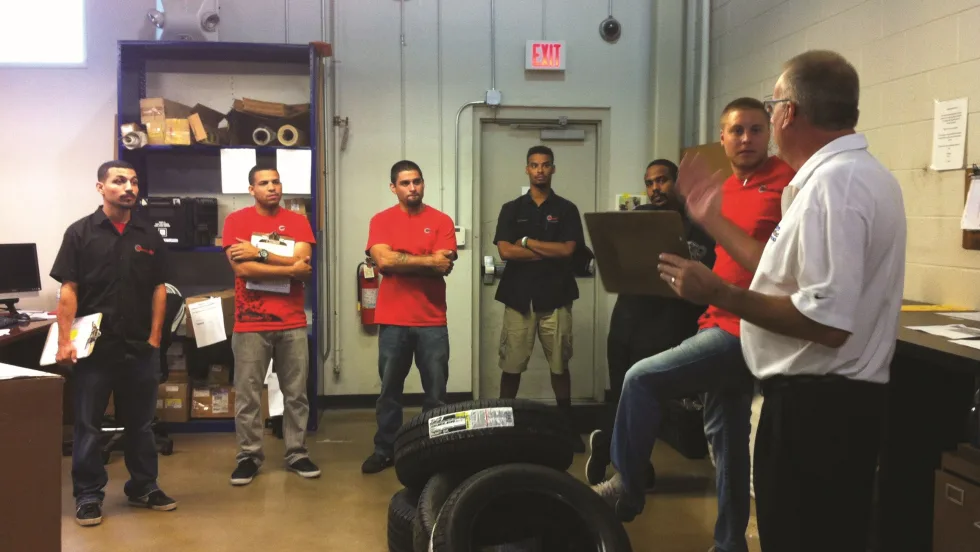
Developing Budget-Friendly Driver Safety Programs
From driver training and safety meetings to one-on-one coaching and incentive programs, several small fleets share how they have developed a safety culture with their drivers using low- to no-cost resources.
Read More →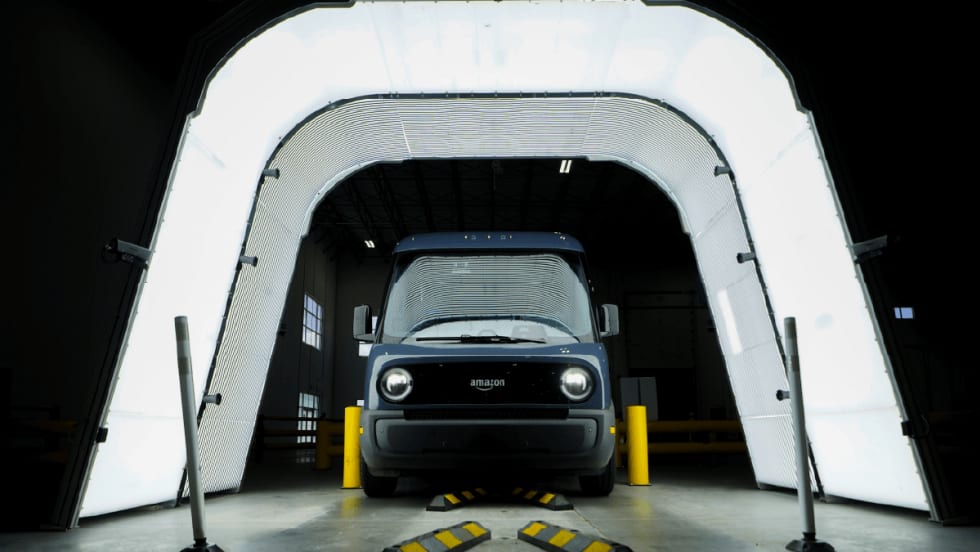
Boosting Last-Mile Fleet Uptime, Safety, and Value with AI Vehicle Inspections
AI-powered inspections are transforming last-mile fleets by replacing manual checks with highly accurate automated scans that detect defects in seconds. By giving fleet operations visibility into the daily condition of their vehicles, you can identify trends over the vehicle’s lifecycle that enable improved procurement decisions, route management, driver training and accountability.
Read More →
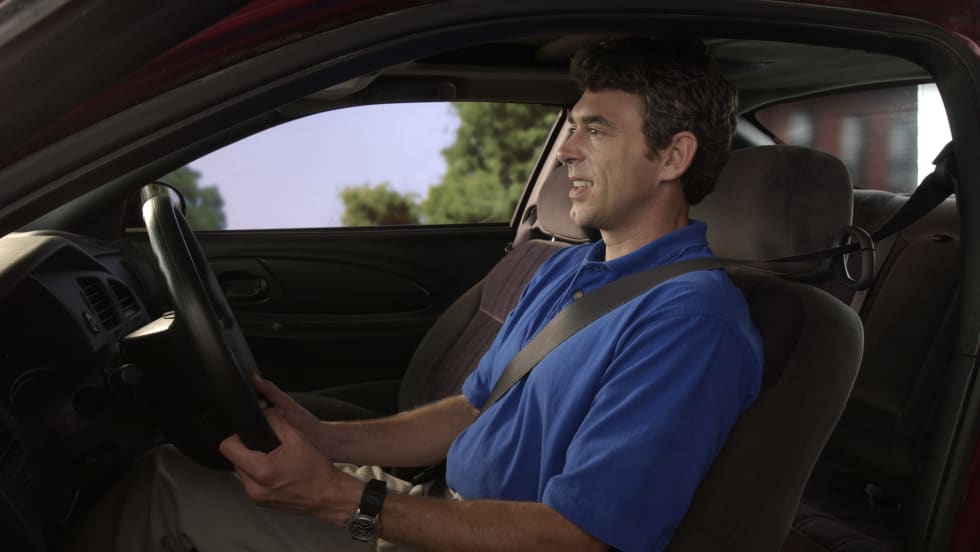
Five Ways Seat Belts Help Prevent Injuries
There are five ways seat belts protect occupants from injuries, according to the Tennessee Department of Safety and Homeland Security.
Read More →
Basic Tracking vs Next Generation Fleet Technology
Fleet software is getting more sophisticated and effective than ever, tying big data models together to transform maintenance, safety, and the value of your existing tech stack. Fleet technology upgrades are undoubtedly an investment, but updated technology can offer a much higher return. Read how upgrading your fleet technology can increase the return on your investment.
Read More →
It’s here: The 2026 Fleet Technology Trends Report
What does AI mean for fleets? Get the answer — and learn other top tech trends.
Read More →
Small Fleets, Big Impact: How Independent Drivers Power Wreaths Across America
Check out how small fleets and independent drivers power Wreaths Across America each December and why their impact matters more than ever.
Read More →
VMS Survey Finds 65% of Small Fleet Managers Run Operations Alone
A new VMS survey shows small fleet managers are stretched thin, with most handling operations solo and eager to adopt digital tools for relief.
Read More →
Tips for Driving Safely on Halloween Night
This video features a reminder from the Connecticut Department of Transportation (DOT) and the Connecticut Police Chiefs Association, urging drivers to prioritize safety this Halloween.
Read More →
AI, Access, and Uptime: VMS’s Next Chapter with David Prusinski
VMS’s new Co-CEO, David Prusinski, shares how an AI-first approach will give small fleets and repair shops the tools to compete like big players.
Read More →