




Gas-Saving Products: FTC Says Proceed with Caution
Gas prices are high, causing many drivers to look for ways to improve fuel efficiency. Although there are practical steps you can take to increase gas mileage, the Federal Trade Commission (FTC) suggests that you proceed with caution when you consider buying automotive devices or oil and gas additives based on gas-saving claims. The FTC says that even for the few products that have been found to work, the savings to consumers have been small. According to the FTC, it's wise for drivers to be skeptical of the following kinds of advertising claims: "This gas-saving product improves fuel economy by 20 percent." Claims usually tout savings ranging from 12 to 25 percent. However, the U.S. Environmental Protection Agency (EPA) has evaluated or tested more than 100 alleged gas-saving devices and has not found any product that significantly improves gas mileage. In fact, some such products may damage a car's engine or cause substantial increases in exhaust emissions. The products on the market that claim to save gas fall into clearly defined categories. Although the EPA has not tested or evaluated every product, it has tried to examine at least one product in each category. Check www.epa.gov/otaq/consumer/devicefs.pdf for category descriptions and product names of devices tested by the EPA. "After installing your product on my car, I got an extra 4 miles [6.4 kilometers] per gallon [3.8 liters]." Many ads feature glowing testimonials by satisfied customers. Yet, few consumers have the ability or the equipment to test for precise changes in gas mileage after installing a device or using a product that claims to save gas. Among the many variables that affect fuel consumption are traffic, road and weather conditions, and the car's condition. Take the example of the consumer who sent a letter to a company praising its purported gas-saving product. At the time the product was installed, the consumer had received a complete engine tune-up -- a fact not mentioned in the letter. The entire increase in gas mileage attributed to the product may well have been the result of the tune-up alone. But other consumers couldn't have known that from the ad. "This gas-saving device is approved by the federal government." No government agency endorses gas-saving products for cars. The most that can be claimed in advertising is that the EPA has reached certain conclusions about possible gas savings by testing the product or by evaluating the manufacturer's own test data. If the seller claims that its product has been evaluated by the EPA, ask for a copy of the EPA report, or check www.epa.gov for information. In some instances, false claims of EPA testing or approval have been made. Product Complaints and Refunds If you're dissatisfied with a gas-saving product, contact the manufacturer and ask for a refund. Most companies offer money-back guarantees. Contact the company even if the guarantee period has expired. If you're dissatisfied with the company's response, contact your local or state consumer protection agency, the Better Business Bureau or the FTC. The FTC works for the consumer to prevent fraudulent, deceptive and unfair business practices in the marketplace and to provide information to help consumers spot, stop and avoid them. To file a complaint, or to get free information on any of 150 consumer topics, call toll-free, 1-877-FTC-HELP (1-877-382-4357), or use the complaint form at www.ftc.gov. The FTC enters Internet, identity theft, telemarketing and other fraud-related complaints into Consumer Sentinel, a secure, online database available to hundreds of civil and criminal law enforcement agencies in the U.S. and abroad.
More Small Fleet


Developing Budget-Friendly Driver Safety Programs
From driver training and safety meetings to one-on-one coaching and incentive programs, several small fleets share how they have developed a safety culture with their drivers using low- to no-cost resources.
Read More →
Boosting Last-Mile Fleet Uptime, Safety, and Value with AI Vehicle Inspections
AI-powered inspections are transforming last-mile fleets by replacing manual checks with highly accurate automated scans that detect defects in seconds. By giving fleet operations visibility into the daily condition of their vehicles, you can identify trends over the vehicle’s lifecycle that enable improved procurement decisions, route management, driver training and accountability.
Read More →
Five Ways Seat Belts Help Prevent Injuries
There are five ways seat belts protect occupants from injuries, according to the Tennessee Department of Safety and Homeland Security.
Read More →
It’s here: The 2026 Fleet Technology Trends Report
What does AI mean for fleets? Get the answer — and learn other top tech trends.
Read More →
Small Fleets, Big Impact: How Independent Drivers Power Wreaths Across America
Check out how small fleets and independent drivers power Wreaths Across America each December and why their impact matters more than ever.
Read More →
VMS Survey Finds 65% of Small Fleet Managers Run Operations Alone
A new VMS survey shows small fleet managers are stretched thin, with most handling operations solo and eager to adopt digital tools for relief.
Read More →
Tips for Driving Safely on Halloween Night
This video features a reminder from the Connecticut Department of Transportation (DOT) and the Connecticut Police Chiefs Association, urging drivers to prioritize safety this Halloween.
Read More →
AI, Access, and Uptime: VMS’s Next Chapter with David Prusinski
VMS’s new Co-CEO, David Prusinski, shares how an AI-first approach will give small fleets and repair shops the tools to compete like big players.
Read More →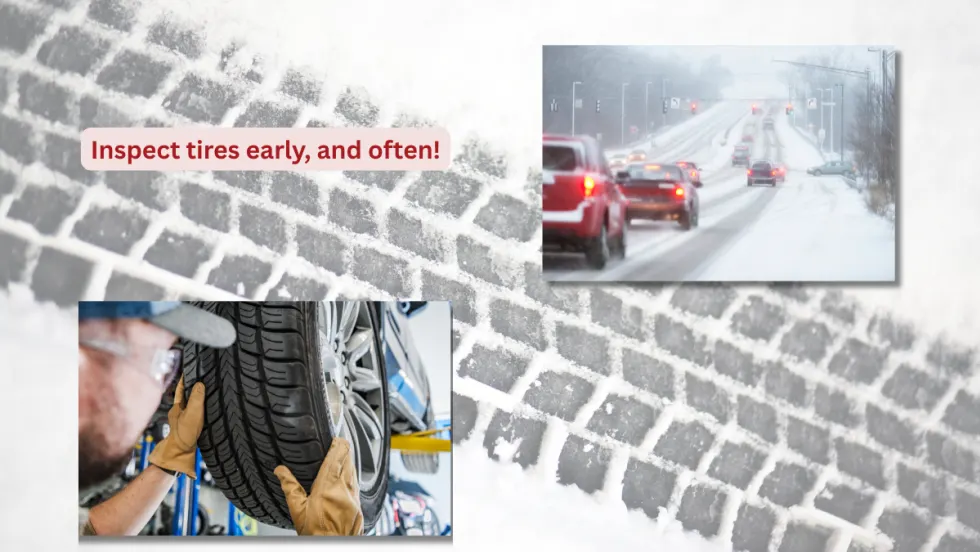
Fleet Managers Share Winter Prep Tips: It's Never Too Early!
Three fleets share best practices to prep vehicles for winter and prevent downtime when the cold sets in.
Read More →