





The full report can be viewed by EPRI members at the following link: EPRI. The report is also available upon request at sales@freewiretech.com.
FreeWire Boost Charger Cuts Costs for EV Fleets
The savings on installation and operations enables utilities and site hosts to rapidly and affordably deploy fast chargers to meet EV demand, according to an independent study.
April 7, 2021

The FreeWire Boost Charger enables ultrafast charging while only requiring low voltage input, saving tens of thousands on installation costs and almost $30,000 a year on energy fees and demand charges, the independent study shows.
Photo: FreeWire
3 min to read
FreeWire Technologies, a provider of electric vehicle (EV) charging and power solutions, announced April 6 that an independent study conducted by the Electric Power Research Institute (EPRI) validated the functionality and economic advantages of its next-generation EV charging product, Boost Charger.
In November 2020, EPRI conducted a laboratory evaluation of Boost Charger to verify FreeWire’s two main stated economic advantages over traditional DC fast chargers: 1) Lower cost of installation due to reduced infrastructure requirements; 2) Lower cost of operation due to peak-shaving and load shifting capabilities
According to the study conducted as part of EPRI’s Incubatenergy Labs Challenge, the FreeWire Boost Charger enables ultrafast charging while only requiring low voltage input, saving tens of thousands on installation costs and almost $30,000 a year on energy fees and demand charges.
“The single biggest challenge to scaling ultrafast charging is infrastructure limitations – extremely high power is required for fast charging at scale, but enhancing the electric grid in places where drivers will need to charge is prohibitively expensive and complicated,” said Arcady Sosinov, founder and CEO of FreeWire. “We have developed a novel solution with Boost Charger that addresses these barriers by delivering high power everywhere without expensive and burdensome grid upgrades.”
EPRI estimates an annual $29,180 energy cost savings to the site host over the life of the unit as well as reduced installation costs. These outcomes verify that Boost Charger enables utilities and site hosts to rapidly, and cost-effectively deploy fast chargers to meet growing EV demand.
“EPRI’s report verifies that our technology works as designed, saving our customers tens of thousands of dollars per year, while lowering barriers of adoption to enable rapid expansion of critical charging infrastructure to drive EV growth,” Sosinov said.
FreeWire’s Boost Charger is a powerful battery-integrated electric vehicle charger that delivers high power while significantly reducing demand charges. Easy to connect with existing infrastructure, it can be set up without costly construction or extensive permitting. Boost Charger enables ultrafast charging using the same infrastructure as Level 2 chargers at up to a 40% lower cost of installation versus other fast chargers. With its integrated storage and ultrafast charging speeds, Boost Charger is ready for current and next generation EVs.
FreeWire has deployed over 200 battery-integrated chargers with Fortune 100 companies, commercial customers, fleets, retail locations, and gas stations. In December 2020, FreeWire and bp pulse, one of the UK’s leading providers of EV charging infrastructure, announced an exclusive MOU for bp pulse to deploy Boost Charger in its operations across the UK. FreeWire and ampm, a bp subsidiary and convenience store chain with over 1,000 locations, have already deployed multiple public charging stations in the U.S.
In January 2021, FreeWire announced a $50 million Series C funding round, led by Riverstone Holdings, with participation from current shareholders bp ventures, Energy Innovation Capital, and Blue Bear Capital. This financing will enable FreeWire to accelerate international market expansion of Boost Charger and expand production capacity to meet unprecedented customer demand.
Originally posted on Charged Fleet
More Green Fleet

Fleet Forward Conference Introduces One-Day Passes for 2026
New one-day registration gives fleet professionals the flexibility to attend Tuesday, Wednesday, or Thursday, with passes available for $199 through Sept. 18.
Read More →
CALSTART Rebrands as Catalyst Mobility, Will Combine with Forth in 2027
CALSTART has rebranded as Catalyst Mobility and will combine with Forth at the start of 2027. The new organization said it is poised to become one of the world's largest, strongest, and most impactful clean transportation nonprofits.
Read More →
Electric Truck and Charging Programs to Boost Sustainability at NY & NJ Ports
Together, the Port Authority of New York and New Jersey and CALSTART will electrify drayage and terminal operations serving the East Coast’s busiest container port. A pair of incentive programs totaling $45 million has launched to accelerate adoption of zero-emission drayage trucks and terminal tractors.
Read More →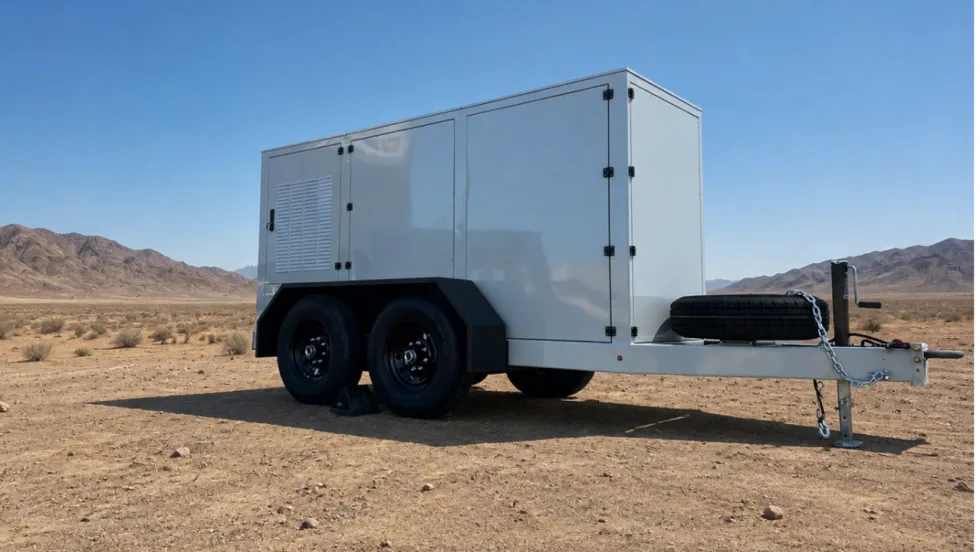
Xos Hub Surpasses One Gigawatt-Hour of Energy Delivered in the Field
A single Xos Hub has surpassed one gigawatt-hour of energy across more than 33,600 charging sessions in the field, demonstrating performance that supports Xos' expansion across new products and markets.
Read More →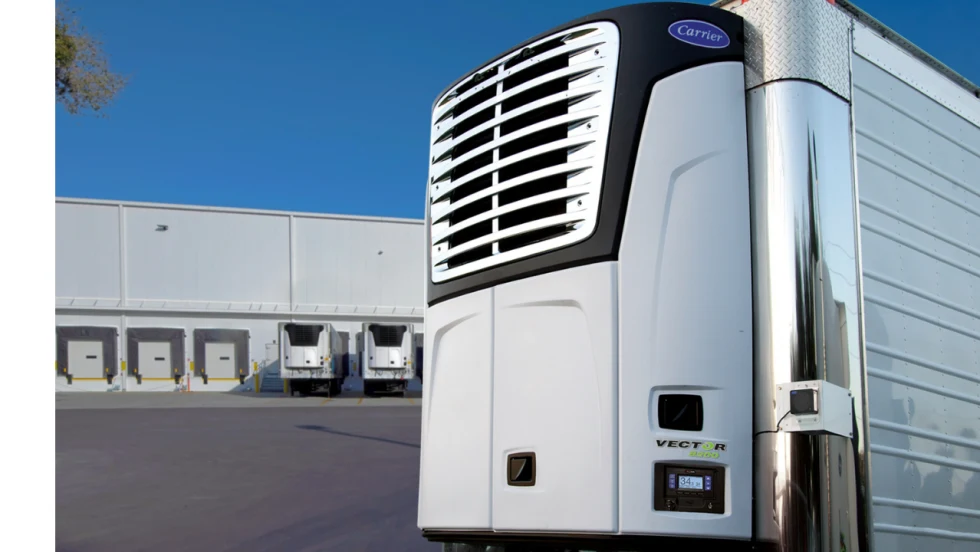
Carrier Transicold Launches All-Electric Vector 8200 TRU for Diesel-Free On-Site Cold Storage
Carrier Transicold’s first engineless multi-temperature TRU helps fresh- and frozen-food fleets add supplemental cold storage capacity during seasonal peaks.
Read More →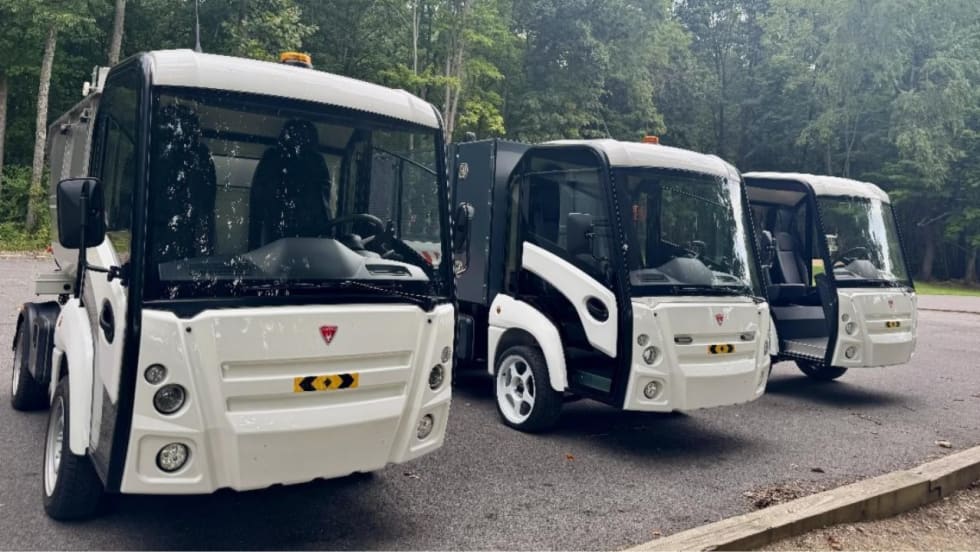
Narro Trucks Introduces Electric Utility Vehicle
Narro Trucks officially launched its operations on Aug. 20 and hosted a ride and drive to showcase its electric truck, which will be produced in Virginia.
Read More →
Samsung SDI Takes Full Control of GM Battery JV as Indiana Plant Pivots to Energy Storage
Samsung SDI is taking full control of its Indiana battery plant with GM, marking a major shift from the EV-focused joint venture Charged Fleet first covered in 2023.
Read More →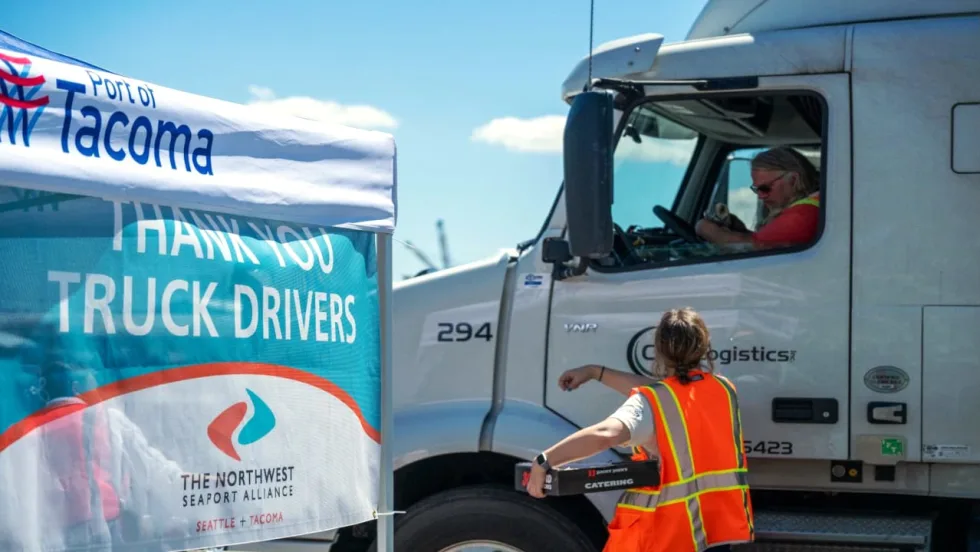
NWSA Taps CALSTART to Administer Zero-Emission Drayage Assistance Program
CALSTART will provide free technical assistance services to drayage fleets serving the Ports of Seattle and Tacoma and looking to transition to cleaner technologies and help decarbonize freight hubs.
Read More →
EV Fleet Reality Check: What Operators Wish They Knew Before Electrifying Their Work Vans
Electric work truck upfits bring new compatibility questions. Learn how parts availability, OEM guidance, power demands, and route planning can affect fleet performance.
Read More →
Peterbilt Expands Sourcewell Partnership with Electric Vehicle Lineup
Peterbilt Motors Company’s cooperative purchasing agreement with Sourcewell and its Canadian partner, Canoe Procurement Group, now includes including Peterbilt's battery-electric vehicle lineup.
Read More →